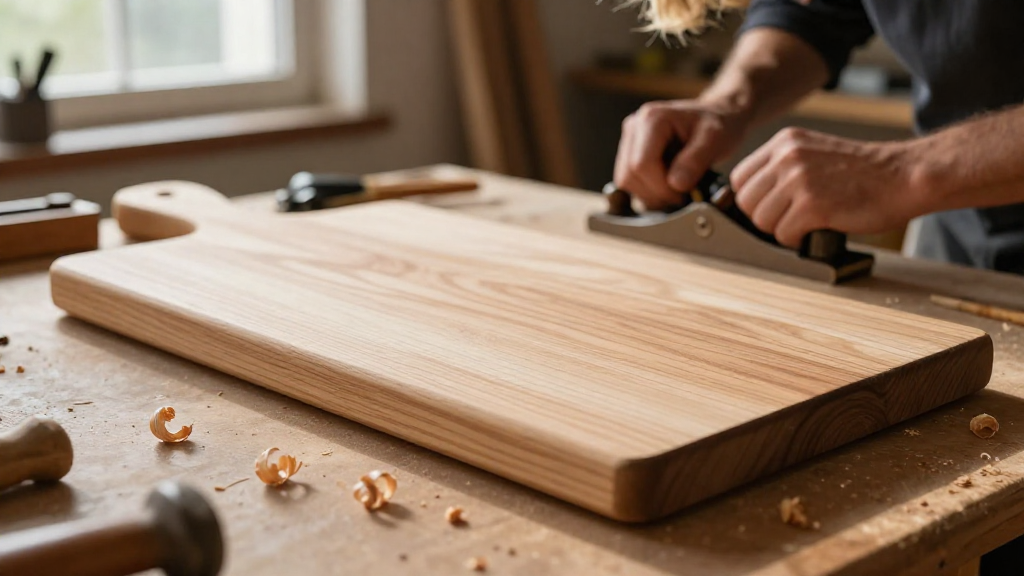
Are you curious about using a shooting board? This versatile tool offers exceptional precision and is favored by woodworkers for angle adjustments and edge finishing.
What is a Shooting Board?
A shooting board is a specialized woodworking tool designed to help achieve precise cuts and smooth edges.
Typically made from wood, a shooting board consists of a flat surface with a fence to guide your hand plane.
Considered an essential tool for woodworkers of all skill levels, using a shooting board can significantly enhance the accuracy and finish of your projects.
Why Use a Shooting Board?
What are the benefits of using a shooting board?
-
Precision Cuts:
A shooting board allows for precise angle adjustments, making it ideal for trimming joints and finishing edges. -
Consistency:
It provides a consistent reference point that helps achieve uniform results across multiple pieces. -
Enhanced Control:
When using a shooting board, woodworkers have better control over their hand planes, leading to cleaner cuts and reduced tear-out. -
Versatility:
It can be used for a variety of applications, including shooting angles and adjusting the length of pieces.
How Do You Use a Shooting Board?
What steps do you need to follow when using a shooting board?
-
Setup Your Shooting Board
– Place the shooting board on a stable, flat surface.
– Ensure your hand plane is sharp and properly set up for smooth cutting. -
Position Your Workpiece
– Align the edge of your wood piece against the fence.
– Make sure it is securely held in place. -
Make the Cut
– Hold the hand plane at a comfortable angle, ensuring it’s in contact with both the shooting board and the workpiece.
– Push the hand plane smoothly along the board, applying even pressure. -
Check Your Work
– After making several passes, check the edge for smoothness and square alignment.
– Make any additional passes as needed to achieve your desired finish. -
Finish Up
– Clear off any sawdust and store your shooting board in a dry area to maintain its condition.
What Are the Types of Shooting Boards?
Can you identify different types of shooting boards?
-
Standard Shooting Board:
The most common type, used for creating precise square edges and trimming workpieces at 90-degree angles. -
Miter Shooting Board:
Designed for creating beveled or mitered cuts, this variant includes adjustable fences to accommodate angles other than 90 degrees. -
Compound Angle Shooting Board:
This advanced version allows woodworkers to shoot complex angles, making it suitable for intricate projects.
Tips for Using a Shooting Board Effectively
What tips can enhance your experience with a shooting board?
-
Keep Your Tools Sharp:
Dull blades can lead to tear-out and poor finishes, so regular sharpening is crucial. -
Use Quality Materials:
A shooting board made from durable materials will outperform cheaper options over time. -
Practice Makes Perfect:
If you’re new to using a shooting board, practice on scrap wood to build confidence and skill. -
Adjust for Depth:
Experimenting with the depth of cut on your plane can improve results significantly, so don’t hesitate to make minor adjustments.
How Does Using a Shooting Board Benefit Your Projects?
What are the overarching advantages of using a shooting board in woodworking?
-
Efficiency:
By providing a reliable method for achieving square and seamless edges, employing techniques for using a shooting board can save time on projects. -
Professional Finish:
Projects that are finished with a shooting board tend to look more polished and refined. -
Skill Development:
Regular use of this tool enhances your planing skills and boosts overall woodworking abilities.
What Materials Can You Use with a Shooting Board?
Which materials are suitable for using a shooting board?
-
Hardwoods:
Ideal for fine furniture making, using a shooting board with hardwoods allows for extremely smooth finishes. -
Softwoods:
While generally easier to plane, softwoods can also benefit from the precision that a shooting board offers. -
Plywood:
With the right technique, veneered plywood pieces can be finished without risking damage.
Common Mistakes to Avoid When Using a Shooting Board
What are some common errors when using a shooting board?
-
Incorrect Setup:
Failing to secure the shooting board firmly can lead to uneven cuts. -
Dull Blades:
Using a hand plane with blunt blades increases the risk of tear-out and poor edge finishes. -
Rushing the Process:
Taking your time is essential for achieving high-quality results, so don’t rush through cuts.
Conclusion
In conclusion, using a shooting board can greatly enhance your woodworking endeavors.
From achieving precise cuts to polishing edges, this tool is critical for producing quality work.
Embrace the benefits of using a shooting board, and watch your craftsmanship elevate to new heights!
Whether you’re a beginner or an experienced woodworker, incorporating this tool into your workflow will lead to impressive results.
Take the time to practice, refine your techniques, and enjoy the artistic journey that woodworking provides.
Start using a shooting board today and unlock the door to enhanced precision and craftsmanship in your projects!