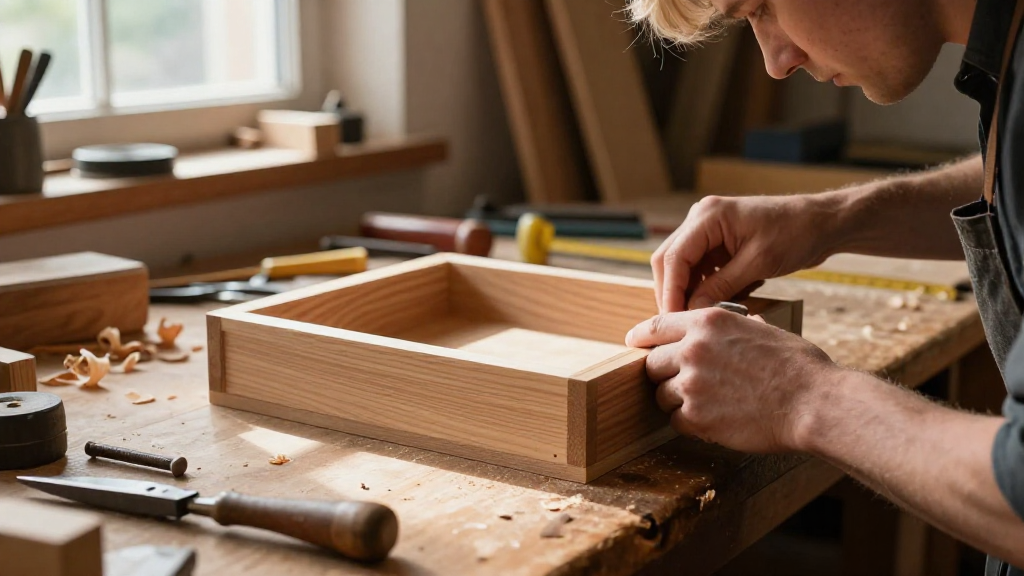
Learning how to make dovetail drawers can elevate your woodworking projects to a new level of craftsmanship.
In this comprehensive guide, we will walk you through the entire process, from materials to techniques. Dovetail drawers not only look aesthetically pleasing, but they also offer robust functionality due to their strong joints. Let’s dive into the details!
What Materials Are Needed for Dovetail Drawers?
To begin your journey of how to make dovetail drawers, you’ll need the right materials and tools:
Materials:
- Wood: Choose high-quality hardwood such as maple, oak, or cherry. Softwoods like pine can also be used, but they may not provide the same durability.
- Wood Glue: A strong adhesive is essential for ensuring your joints hold together.
Tools:
- Dovetail Saw: A precision saw specifically designed for cutting dovetails.
- Chisels: Sharp chisels will help you clean up the joints.
- Marking Gauge: For accurate measurements and markings.
- Clamps: To hold your pieces together while the glue dries.
- Router (optional): If you prefer a more modern approach, a router can speed up the process.
How is the Dovetail Joint Created?
Now that you have your materials ready, let’s discuss how to create the dovetail joint, the heart of the dovetail drawers.
Step 1: Measuring and Marking
-
Measure Your Pieces:
– Start by measuring the thickness of your wood.
– Decide on the size of the drawer and mark the measurements on the wood accordingly. -
Mark the Tail Board:
– Use a marking gauge to create a line across the width of the board where the tails will be cut.
– Mark the angle for tails (typically 1:8 or 1:6 slope is used).
Step 2: Cutting the Tails
-
Using your dovetail saw, cut along the marks at the angles you’ve set.
-
Be sure to cut carefully and to not exceed the marked line.
Step 3: Transfer Tail Positions to the Pin Board
-
Position the Pins Board:
– Place the tail board on top of the pin board, align them, and trace the tails. -
Mark the Pins:
– Clearly mark the wood where those tails intersect, as they’ll serve as guides for cutting the pins.
Step 4: Cutting the Pins
-
Just like with the tails, cut the pins while being careful to stay true to your marks.
-
Chiseling out the waste wood helps achieve a clean joint.
How to Assemble the Dovetail Drawer?
Once you’ve completed the dovetail cuts on both boards, it’s time to assemble your drawer.
Step 1: Dry Fit the Drawer
- Before applying any glue, dry fit all your components.
- This will ensure everything fits well and helps identify any adjustments needed.
Step 2: Apply Glue
- Apply wood glue to the surfaces of the joints.
- You only need a thin layer; too much glue can create a messy situation.
Step 3: Assemble and Clamp
-
Join the boards together carefully, making sure each dovetail fits snugly into its counterpart.
-
Use clamps to hold the drawer tightly while the glue dries.
Step 4: Cleaning Excess Glue
- After clamping, wipe away any excess glue with a damp cloth before it hardens.
What Finishing Touches Enhance Dovetail Drawers?
Now that your drawers are assembled, it’s time for some finishing touches.
Step 1: Sanding
- Sand the surfaces of the drawer with progressively finer grits of sandpaper.
- This will remove any rough edges and prepare the surface for finishing.
Step 2: Staining or Painting
- If desired, apply wood stain or paint to enhance the aesthetic appeal of your dovetail drawers.
- Follow the manufacturer’s instructions for drying times and methods.
Step 3: Sealing
- Finally, finish with a clear sealant to protect the wood.
- Choose a satin, gloss, or semi-gloss finish based on your aesthetic preference.
Why Choose Dovetail Drawers?
Understanding how to make dovetail drawers is not just about the technique.
These drawers offer multiple advantages:
-
Durability: Dovetail joints provide a robust structure, enabling drawers to withstand everyday use without falling apart.
-
Aesthetics: The intricate design adds a touch of elegance to any furniture piece.
-
Legacy: Learning this skill connects you to traditional woodworking methods that are tried and tested over generations.
Are There Alternatives to Dovetail Joinery?
While dovetail joints are a classic choice, there are other alternatives you may consider:
-
Box Joints: Simpler to make and can be quite visually appealing.
-
Rabbet Joints: A straight-cut joint, often simpler to execute for beginners.
-
Pocket Hole Joinery: A modern technique that is quick and user-friendly.
Each of these methods has its place in woodworking.
What’s Next After Mastering Dovetail Drawers?
Once you confidently know how to make dovetail drawers, consider challenging yourself further by:
-
Creating Larger Projects: Incorporate dovetail drawers into larger furniture projects like cabinets or dressers.
-
Experimenting with Variations: Try different styles of dovetails or test various wood types for unique results.
-
Taking on New Challenges: Branch out to other complex joints or advanced woodworking techniques.
Conclusion
In summary, understanding how to make dovetail drawers involves detailed planning, precise cuts, and proper finishing techniques.
With practice, you can create beautiful, durable drawers that stand out in any woodworking project.
Now, grab your tools, and start creating your masterpiece! Happy woodworking!