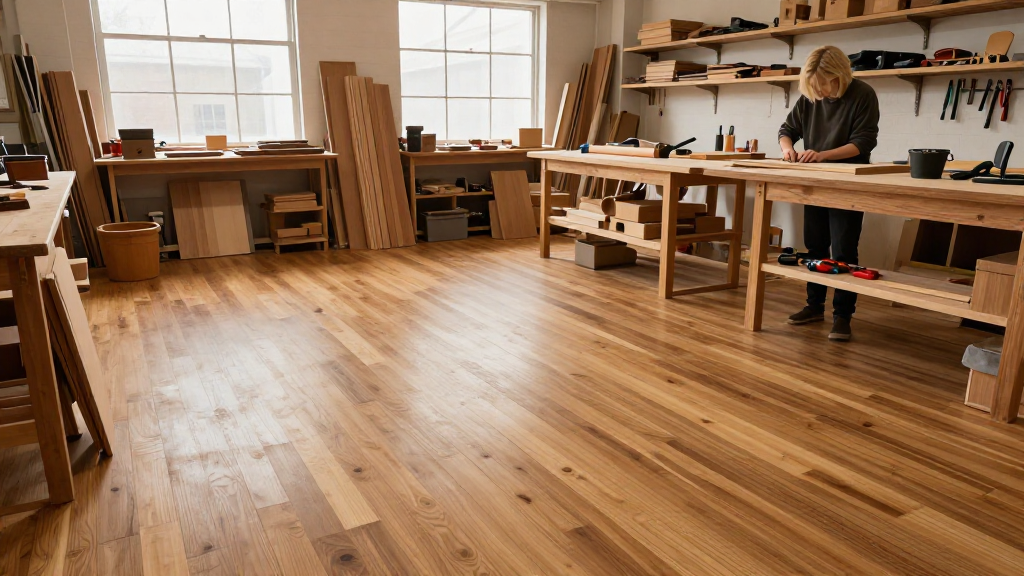
Choosing the best flooring for woodworking shops is crucial for both functionality and safety. The right flooring can enhance your productivity while making the workspace more enjoyable and efficient. In this article, we will explore various flooring options to help you make informed choices for your woodworking shop.
Why is Flooring Important in a Woodworking Shop?
Flooring may seem like a minor detail in the grand scheme of a woodworking shop, but there are several compelling reasons to choose wisely.
-
Safety: A good floor minimizes slips and falls, especially when there are wood shavings or sawdust on the ground.
-
Durability: Woodworking entails heavy machinery and tools; thus, flooring must withstand wear and tear.
-
Maintenance: Certain types of flooring are easier to clean and maintain than others.
-
Aesthetics: A well-chosen floor can enhance the overall look of your woodworking shop.
Considering these factors, what are the best flooring options for woodworking shops?
What are the Best Flooring Options for Woodworking Shops?
1. Concrete Flooring
Concrete is one of the most popular flooring choices for woodworking shops due to its unmatched durability and low maintenance requirements.
- Advantages:
- Extremely durable and can handle heavy equipment.
- Easy to clean; a simple broom or vacuum suffices.
-
Can be sealed to resist stains from glue, resin, or oil.
-
Disadvantages:
- Hard surface may lead to joint fatigue over long hours.
- Slip risk with dust accumulation; using anti-slip coatings can mitigate this.
2. Epoxy Flooring
Epoxy flooring is a type of resin coating applied to concrete to create a glossy, durable finish. This option is especially popular in professional woodworking shops.
- Advantages:
- Provides an extra layer of protection against damage and staining.
- Easy to clean and maintain.
-
Can be customized with colors and designs to fit your shop’s aesthetic.
-
Disadvantages:
- Requires a skilled installation.
- Can be slippery when wet; using anti-slip additives can help.
3. Rubber Flooring
Rubber flooring is another excellent choice for woodworking shops, providing both grip and cushioning.
- Advantages:
- Soft and cushioned, reducing fatigue during long work hours.
- Highly slip-resistant, even when wet.
-
Durable and resistant to heavy impacts.
-
Disadvantages:
- Can be more expensive than other flooring options.
- Potential for damage from sharp tools if not cared for correctly.
4. Vinyl Flooring
Vinyl flooring is a cost-effective option that is versatile and available in various styles and patterns.
- Advantages:
- Affordable and easy to install, even for DIY enthusiasts.
- Water-resistant and can be cleaned easily.
-
Offers a softer surface compared to concrete or wood.
-
Disadvantages:
- May not be as durable as rubber or epoxy under heavy machinery.
- Can be damaged by sharp tools or heavy equipment.
5. Engineered Wood Flooring
Engineered wood flooring combines the beauty of hardwood with a stable core offering.
- Advantages:
- Aesthetically pleasing, providing a warm look to your shop.
- Resistant to warping compared to traditional hardwood.
-
Easier to install than solid wood flooring.
-
Disadvantages:
- May not handle spills and heavy equipment as well as concrete or rubber.
- Requires regular maintenance to keep it looking good.
6. Interlocking Floor Tiles
Interlocking floor tiles made from rubber or vinyl provide excellent versatility for woodworking shops.
- Advantages:
- Easy to install and replace individual tiles as needed.
- Provides cushion and slip resistance.
-
Available in many designs, colors, and materials.
-
Disadvantages:
- May not provide the same durability as a solid flooring solution.
- Potential for dirt and dust to get between tiles, requiring regular cleaning.
What to Consider When Choosing Flooring for Your Woodworking Shop?
When selecting the best flooring for woodworking shop, consider the following factors:
-
Type of Work: Will you be using heavy machinery, or is it a more casual setup? Certain floors like concrete and epoxy are better for heavy-duty work.
-
Budget: Consider your budget, as flooring can range from very affordable (vinyl) to high-end options (epoxy).
-
Noise: Some flooring types, like rubber, help muffle sound, which may be beneficial if you’re in a shared space.
-
Maintenance: How much maintenance are you willing to do? Choose materials that fit your lifestyle and frequency of use.
-
Aesthetics: The appearance of your shop can impact your mood; choose a flooring option that you find visually appealing.
How to Maintain Your Flooring?
Proper maintenance is key to prolonging the life of your woodworking shop flooring. Here are some tips:
-
Regular Cleaning: Sweep, vacuum, or mop frequently to prevent dust and debris buildup.
-
Avoid Water Damage: For wood or vinyl floors, quickly remove any spills or moisture to prevent damage.
-
Inspect Regularly: Look for any signs of wear and tear, especially in high-traffic areas.
-
Use Appropriate Products: Choose cleaning solutions that are suitable for your specific flooring material to avoid damaging the surface.
Conclusion
In conclusion, selecting the best flooring for woodworking shop is a decision that impacts various aspects of your work environment.
From safety and functionality to aesthetics and maintenance, you have many options to consider.
Concrete, epoxy, rubber, vinyl, engineered wood, and interlocking floor tiles each have their unique benefits and drawbacks, fitting different work styles and budgets.
Weigh these carefully to create a space where creativity and productivity can flourish.
Now that you are better informed about your options, which flooring will you choose for your woodworking shop?