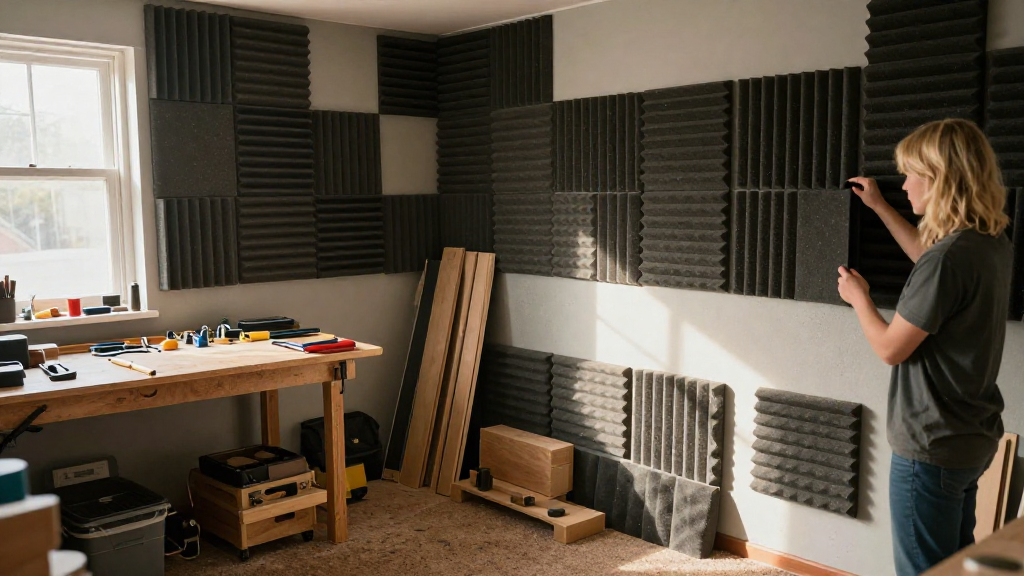
If you’re wondering how to soundproof a woodworking workshop, you’re not alone.
Many woodworkers face the challenge of managing noise levels in their workshops to create a better working environment for themselves and their neighbors. In this article, we’ll explore effective strategies and techniques to achieve optimal soundproofing for your woodworking space.
What is Soundproofing and Why is it Important?
Soundproofing involves blocking or absorbing sound waves to minimize noise transmission between spaces.
If you’re dealing with excessive noise from machinery, power tools, or even your own hand tools, soundproofing is essential for several reasons:
– Health: Continuous exposure to loud sounds can lead to hearing loss or increased stress levels.
– Community Relations: In a residential area, noise can disrupt your neighbors’ peace.
– Focus: A quieter workspace can improve your concentration, leading to better craftsmanship.
How to Soundproof a Woodworking Workshop in 5 Steps
Now that you understand the importance of soundproofing, let’s dive into how to actually achieve it! Here are five key steps on how to soundproof a woodworking workshop effectively:
1. Assess the Workshop Environment
Before implementing soundproofing techniques, evaluate your workspace.
- Identify noise sources:
-
Power tools such as saws, sanders, and routers are common culprits.
-
Check for existing sound barriers:
- Look at walls, windows, and doors that may need treatment.
2. Use Acoustic Panels and Foam
One of the most effective soundproofing methods involves using acoustic panels and foam.
-
Acoustic panels: These are designed to absorb sound and reduce echo within your workshop. Place them strategically on walls, especially those that face your neighbors, to minimize noise escape.
-
Foam: Consider adding soundproof foam tiles to ceilings and walls.
These materials can effectively reduce noise transmission.
3. Insulate the Walls
Sound-insulating the walls of your woodworking workshop is another important step for how to soundproof a woodworking workshop.
-
Adding insulation material: Use dense insulation materials like fiberglass or specialized soundproofing insulation inside the wall cavities.
-
Drywall: Consider adding an additional layer of drywall with sound-dampening properties.
By increasing wall density, you reduce noise transfer.
4. Treat Windows and Doors
Windows and doors are often weak points in soundproofing.
-
Seal gaps: Use weather stripping around doors and windows to block gaps that allow sound to leak through.
-
Use heavy curtains: Consider hanging thick, heavy curtains or soundproof window inserts to deaden sound coming from and going outside.
This combination will help minimize outside noise intrusion and internal noise escape.
5. Floor and Ceiling Treatments
The flooring and ceiling can also contribute to sound transmission.
-
Carpeting or rugs: Place thick carpets or rugs on the floor to absorb sound waves. Rubber mats designed for workshops can provide both comfort and sound reduction.
-
Ceiling treatments: If your workshop has high ceilings, consider acoustic tiles or hanging soundproofing material to reduce noise.
These simple additions can make a significant difference in noise levels.
What are Some DIY Soundproofing Ideas?
If you’re on a budget, there are several DIY solutions to consider when figuring out how to soundproof a woodworking workshop.
Here are a few options:
-
Mass Loaded Vinyl: This denser material can be added to existing walls or hung as a curtain to block sound.
-
Old Carpets and Blankets: Layering old carpets or heavy blankets on walls can be an effective acoustic barrier.
-
Bookshelves: Consider placing bookshelves filled with books against the walls as another way to absorb sound.
How Much Does Soundproofing Cost?
The cost of soundproofing your woodworking workshop can vary widely, depending on the methods and materials used.
Basic solutions, like adding curtains or using rugs, can be very affordable. More extensive soundproofing methods, such as adding layers of drywall or insulation, can require a more significant investment.
- Budget DIY options: $100 – $500.
- Moderate investments: $500 – $1,500.
- Professional installations: $1,500 and up.
By evaluating your budget and needs, you can choose the best soundproofing strategies that fit your financial constraints.
What Are the Benefits of Soundproofing Your Workshop?
Now that we’ve covered how to soundproof a woodworking workshop, let’s recap the key benefits:
-
Enhanced Comfort: A quieter workshop reduces stress and creates a more pleasant work environment.
-
Better Focus and Productivity: Working without excessive noise helps you concentrate better, leading to increased efficiency.
-
Improved Relationships: By keeping noise levels down, you maintain a good rapport with neighbors, fostering a better community.
-
Long-term Health: Protecting your hearing from loud tools ensures a sustainable woodworking hobby or profession.
Final Thoughts on Soundproofing Your Workshop
In summary, knowing how to soundproof a woodworking workshop is essential for the well-being of both you and your neighbors.
By making strategic decisions about materials and methods, you can significantly reduce noise levels.
Consider starting with a few basic steps, like insulating walls and using acoustic panels, to see a noticeable reduction in sound.
As you progress, you can implement more advanced measures according to your budget and needs.
Remember, the quieter your workshop, the more enjoyable and productive your woodworking journey will be!