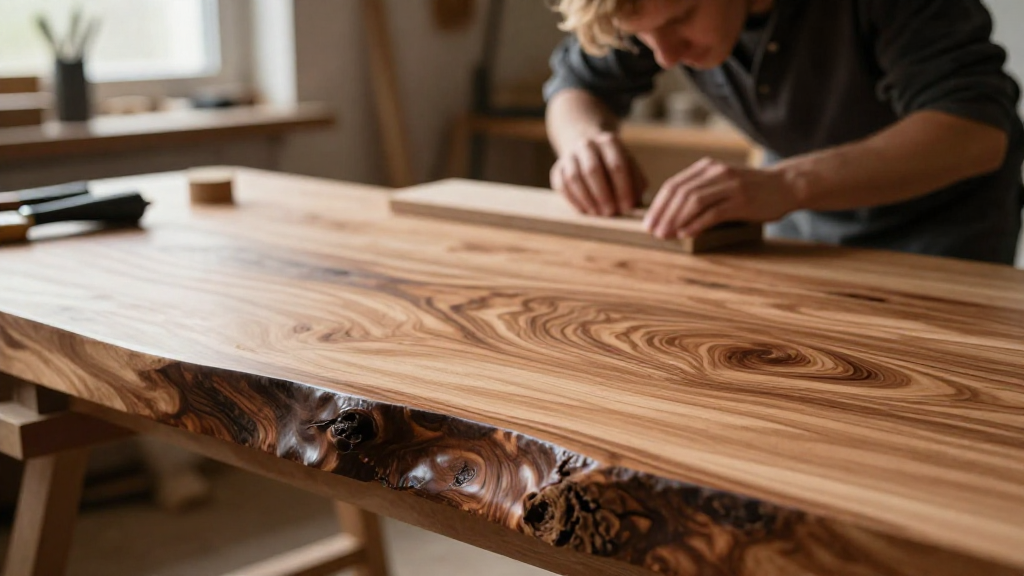
Are you wondering how to finish end grain wood surfaces effectively?
Finishing end grain wood can be a challenge due to its unique properties, but with the right techniques, you can achieve beautiful results. This article outlines essential tips for finishing end grain wood surfaces, ensuring you get the most out of your woodworking project.
What Makes End Grain Wood Unique?
End grain wood has different properties compared to flat or side grain wood.
- Absorption Rates: End grains absorb more finish than other wood grains, making it crucial to choose your finishing method wisely.
- Appearance: Each cut end exposes the wood’s cellular structure, which can enhance or detract from the aesthetic appeal if not finished properly.
- Durability: End grains can be more porous, requiring additional protection against moisture and wear.
Understanding these characteristics is essential for effectively finishing end grain wood.
How to Finish End Grain Wood: Which Finishing Products Work Best?
Selecting the right finishing product is vital when learning how to finish end grain wood surfaces. Here are some popular options:
-
Oil Finishes:
– Tung Oil or Linseed Oil: These penetrate deeply, offering good protection while enhancing the wood’s natural grain.
– Recommended drying time varies; be patient to achieve the best results. -
Varnishes:
– Provides a protective film over the wood.
– Water-Based Varnish dries faster but may raise the grain; Oil-Based Varnish takes longer to dry but can provide a richer color. -
Shellac:
– A traditional finish that gives a warm tone but may not be as durable against water.
– Ideal for decorative pieces that aren’t subject to heavy wear. -
Lacquer:
– Fast drying and provides a hard finish.
– Best for projects that benefit from a sleek appearance.
How Do You Prepare End Grain Wood for Finishing?
Proper preparation is key to achieving a flawless finish. Follow these steps:
-
Sanding:
– Sand the surface thoroughly, starting with coarse grit and moving to finer grits (220 or higher).
– Be careful not to sand too aggressively, as this can lead to uneven surfaces. -
Cleaning:
– After sanding, clean the dust off with a damp cloth or tack cloth.
– Ensure there are no residues from sanding that could interfere with the finish. -
Filling:
– Use wood fillers or epoxy if there are any large pores or defects.
– This will help create a smoother finish and prevent the finish from sinking into the pores.
When Should You Apply the Finish?
Timing can significantly impact how well you learn how to finish end grain wood surfaces. Here are some tips on when to apply your finish:
- After Sanding: Ideally, apply the finish right after sanding when the surface is clean to avoid dust settling.
- Environmental Conditions: Work in a controlled environment.
- Avoid high humidity or extreme temperatures, as these can affect drying times and finish quality.
How to Apply the Finish: What Techniques Should You Use?
When it comes to application, there are a few effective techniques for finishing end grain wood:
-
Brushing:
– Use a high-quality brush to keep the finish even.
– Apply in the direction of the grain and avoid heavy applications that could lead to drips. -
Wiping:
– For oil finishes, use a cloth to wipe the finish into the end grain.
– Wipe off excess after a few minutes to prevent a sticky surface. -
Spraying:
– For lacquer or varnish, consider using a spray application for an even coat.
– Be sure to wear a mask and work in a well-ventilated area.
How Many Coats Should You Apply?
The number of coats can vary based on the product and desired finish. Here’s a general guideline:
- Oil Finishes:
- 2-4 coats, with light sanding between coats for better adhesion.
- Varnishes and Lacquers:
- Usually, 2-3 coats suffice, with sanding between coats for a smoother finish.
How to Achieve a Smooth Finish?
Achieving a smooth surface when finishing end grain wood is essential for aesthetics. Here’s how to do it:
- Sanding Between Coats:
-
After the first coat dries, lightly sand with a fine grit sandpaper (320 or higher). This helps remove any imperfections and ensures a better bond with the subsequent coats.
-
Polishing:
- After the final coat is dry, consider polishing with a soft cloth or machine for an extra sheen.
What Common Mistakes Should You Avoid?
While learning how to finish end grain wood, be mindful of these common pitfalls:
- Skipping the Sanding Process:
-
Failing to sand properly can result in an uneven finish.
-
Overloading the Surface with Finish:
-
Applying too much finish can lead to runs and unevenness.
-
Failing to Check for Dust:
- Dust particles can mar an otherwise perfect finish, so always ensure the area is clean before applying.
Conclusion: How to Finish End Grain Wood Surfaces Successfully
Finishing end grain wood doesn’t need to feel daunting.
By understanding its unique properties and following these essential tips, you can achieve a stunning finish.
Key Takeaways:
- Choose the right finishing product based on your needs.
- Prepare the surface properly through sanding and cleaning.
- Use effective application techniques and consider the number of coats for optimal results.
- Avoid common mistakes to ensure a flawless finish.
Now that you have learned how to finish end grain wood, you can tackle your woodworking projects with confidence.
With careful attention to detail, you will achieve beautiful and durable finishes that enhance the beauty of your woodwork. Happy woodworking!