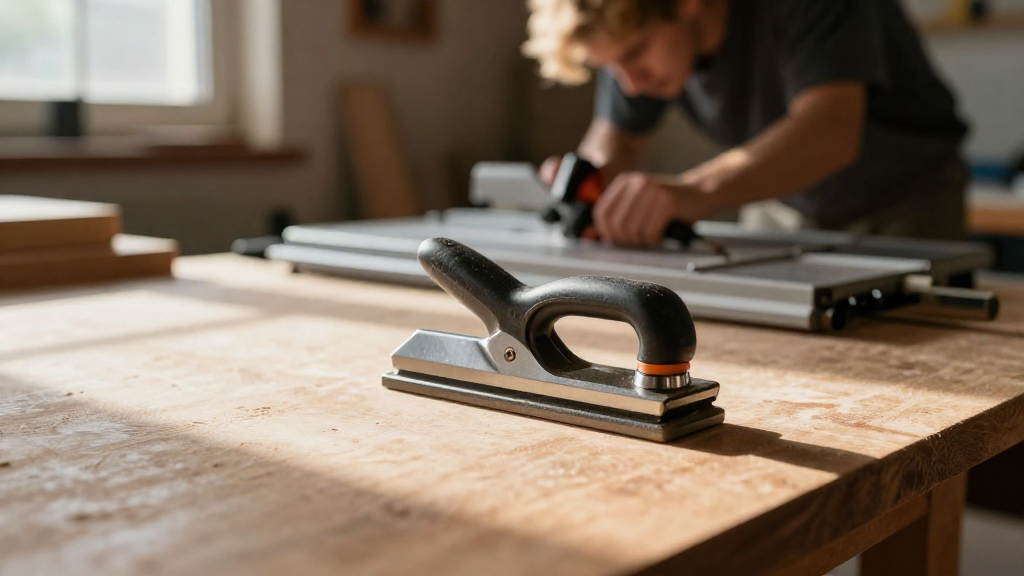
When it comes to woodworking and machine operation, understanding what a push stick is used for is essential for maintaining safety in your workspace.
What Exactly Is a Push Stick Used For?
A push stick is a simple yet vital tool used in woodworking, particularly when operating table saws, band saws, and other power equipment.
It is designed to help you control the feed of materials, especially when cutting pieces that are too small for safe handling.
In essence, here are several primary functions of a push stick:
-
Protecting Hands: The most critical function is to keep your hands away from the blade or cutter.
-
Providing Control: It gives you additional leverage and control over the material being cut.
-
Enhancing Safety: The use of a push stick significantly reduces the risk of accidents and injuries in the workshop.
Equipped with a push stick, woodworkers can effectively manage their workpieces, enhancing both safety and efficiency.
Why Is a Push Stick Important for Safety?
Understanding what a push stick is used for also leads to an appreciation of its role in enhancing safety. Here’s why this tool is indispensable in woodworking:
1. Reduces the Risk of Injury
Operating any cutting machinery poses inherent risks.
Without appropriate safety measures, the likelihood of accidents increases dramatically.
A push stick can prevent numerous injuries, including:
-
Cuts and Lacerations: Prevents hands from getting too close to sharp blades.
-
Pinching: Reduces the risk of fingers getting pinched between the material and the blade.
2. Enhances Precision
Using a push stick allows for a more controlled and steady feed of the material into the cutting area.
This results in:
-
Cleaner Cuts: Improved finishes, reducing the need for additional sanding or finishing work.
-
Consistent Results: Better uniformity in sizes and shapes of your cuts.
3. Supports Good Practices
Incorporating the use of a push stick encourages safer working habits.
It reinforces the idea that safety should always be prioritized.
By regularly using this tool, woodworkers develop a mindset that emphasizes caution and precise handling.
How to Use a Push Stick Safely
Now that we’ve covered what a push stick is used for, let’s explore how to use it effectively and safely:
1. Choose the Right Push Stick
Not all push sticks are created equal.
Look for one that:
-
Is Made of Durable Material: Typically wood, plastic, or composite materials.
-
Has a Comfortable Grip: Ensures that you can hold onto the tool securely.
-
Has an Appropriate Length: Long enough to keep your hands safe from blades, but not so long that it’s difficult to manage.
2. Position Your Material Properly
Before making a cut, make sure that the material is adequately positioned on the table.
Ensure it is flat against the fence or guide, as this will allow for a smoother cut.
3. Use the Push Stick Correctly
Ensure you’re using the push stick appropriately:
-
Always Keep Your Other Hand Away: The hand not using the push stick should always be clear of the blade.
-
Push the Material Forward: Use the push stick to feed the workpiece steadily into the blade. Keep pressure against the material to maintain contact with the table.
-
Don’t Force It: Allow the saw to do its job. If you encounter resistance, stop and check for obstructions.
4. Maintain Your Push Stick
Regular maintenance is essential for maximizing the efficiency of your push stick.
Ensure it is free of defects such as:
-
Splits or Cracks: Such damage can lead to breakage during use.
-
Rough Spots: Sand down any splinters or rough areas to ensure smooth operation and a good grip.
What Other Safety Tools Should You Use with a Push Stick?
While understanding what a push stick is used for is important, it doesn’t replace other safety measures.
In addition to the push stick, consider these tools:
1. Table Saw Guards
These are essential for any table saw operation.
They help to shield the operator from hazards and prevent accidental contact with the blade.
2. Featherboards
Featherboards hold the material against the fence as it’s being cut, ensuring a consistent cut and keeping hands away from the blade.
3. Safety Glasses
Protective eyewear is critical when working with power tools.
Always wear safety glasses to shield your eyes from debris.
4. Ear Protection
Power tools can be loud, and prolonged exposure to high-decibel noise may lead to hearing loss.
Using ear protection is critical for maintaining your hearing health.
Conclusion: Emphasizing Safety in Woodworking
Understanding what a push stick is used for goes beyond just knowing its function; it signifies a commitment to safety.
Woodworking can be a rewarding hobby or profession, but it comes with risks.
By utilizing a push stick along with other essential safety equipment, you can ensure a safer work environment.
Investing in the right tools and creating a culture of safety will not only protect you but also enhance the quality and enjoyment of your woodworking projects.
So, the next time you step into the workshop, remember: a push stick is your first line of defense against potential accidents.