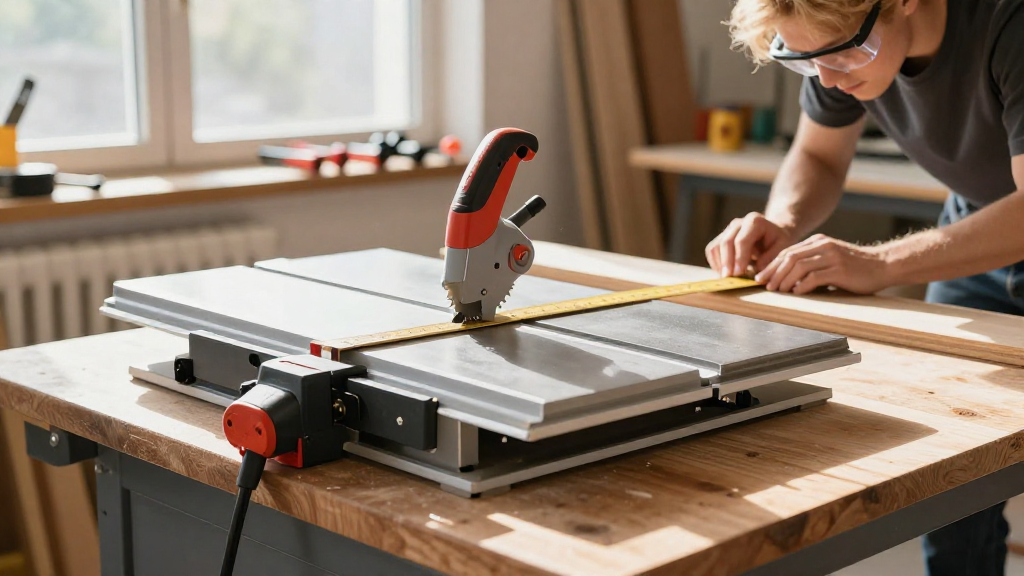
Table saw safety rules are crucial for anyone working in a woodworking shop.
Whether you are a hobbyist or a professional carpenter, following these essential safety guidelines will help protect you from accidents and injuries.
What Are the Fundamental Table Saw Safety Rules?
Understanding the fundamental table saw safety rules can significantly reduce your risk of accidents. Below are ten critical guidelines to follow when using a table saw:
1. Always Wear Safety Gear
Before you start working with a table saw, ensure you are wearing the appropriate safety gear.
- Safety glasses to protect your eyes from flying debris.
- Hearing protection to guard against noise-related damage.
- Dust mask to prevent inhalation of sawdust.
Wearing this protective equipment is the first step in adhering to table saw safety rules.
2. Understand Your Equipment
Every table saw operates differently.
- Read the manual to understand the specific features and functionality of your model.
- Know the emergency shut-off power switch location for quick access.
Familiarity with your tool is one of the most important table saw safety rules.
3. Keep the Work Area Clean and Organized
A cluttered workspace can lead to serious accidents.
- Keep the area around the table saw clear of obstacles.
- Remove any scrap wood, tools, or materials that might cause tripping or falling.
Maintaining a clean environment is essential for safe operation.
4. Use the Right Technique for Measurements and Cuts
Accuracy is key when using a table saw, and proper techniques can prevent injuries.
- Measure twice, cut once—this mantra is essential in woodworking.
- Always use the fence for straight cuts.
- For complex cuts, use a miter gauge or crosscut sled.
These techniques ensure precision while promoting table saw safety.
5. Never Bypass Safety Features
Modern table saws come equipped with safety mechanisms that should never be ignored.
- Blade guards must be in place whenever you operate the saw.
- Riving knives and anti-kickback pawls are designed to prevent injuries.
Bypassing these features compromises your safety and goes against established table saw safety rules.
6. Use Push Sticks and Other Aids for Small Pieces
To avoid direct hand contact with the blade, always use push sticks or push blocks when dealing with small workpieces.
- These tools keep your hands at a safe distance from the blade.
- Consider using a featherboard to hold the wood against the fence securely.
These aids are essential components of effective table saw safety rules.
7. Stay Focused and Avoid Distractions
Concentration is critical when operating a table saw.
- Avoid conversations or distractions while cutting wood.
- Do not operate the saw if you are tired or under the influence of substances.
Keeping your focus will help prevent accidents.
8. Don’t Reach Over the Blade
Reaching over the blade puts you at risk for severe injuries.
- If you need to adjust your workpiece, turn off the saw first.
- Never clear away sawdust or debris while the blade is spinning.
This rule is fundamental in the list of table saw safety rules.
9. Avoid Large Cuts and Lumber Management Mistakes
When using a table saw, it’s essential to manage your wood carefully.
- For larger pieces, always have an assistant to help support the weight.
- Use rollers or outfeed tables to support long boards.
Proper management of large lumber is vital for adherence to safety protocols.
10. Maintain Your Table Saw Regularly
A well-maintained table saw is a safer table saw.
- Check the blade for dullness and replace it if necessary.
- Ensure the alignment of the fence and miter gauge with the blade.
Routine maintenance is one of the most effective practices to ensure table saw safety rules are upheld.
Why Is Table Saw Safety Important?
The importance of table saw safety cannot be overstated.
Accidents in woodworking shops can lead to severe injuries or even fatalities.
By adhering to these table saw safety rules, you can drastically minimize your risks and work more confidently.
Remember, your safety depends on your conscientiousness and adherence to these guidelines.
What Are Some Common Table Saw Safety Violations?
Even experienced woodworkers can sometimes overlook safety practices.
- Ignoring blade guards is one of the most common violations.
- Failing to use push sticks with small workpieces can also lead to accidents.
- Neglecting to keep a tidy workspace increases the risk of mishaps significantly.
By being aware of these potential violations, you can remain vigilant and protect yourself.
In Conclusion: How Can You Ensure Your Safety?
Following these table saw safety rules is essential for anyone working with this powerful tool.
By adopting safe practices, understanding your tool, and maintaining responsibility in your workspace, you can enjoy woodworking without risking your safety.
Remember: Safety should never be an afterthought; it should be your top priority.
In this article, we’ve explored ten fundamental table saw safety rules that are pivotal for anyone interested in woodworking.
By embracing these practices, you not only safeguard yourself but also promote a culture of safety in your workshop.
Stay informed, be cautious, and happy woodworking!