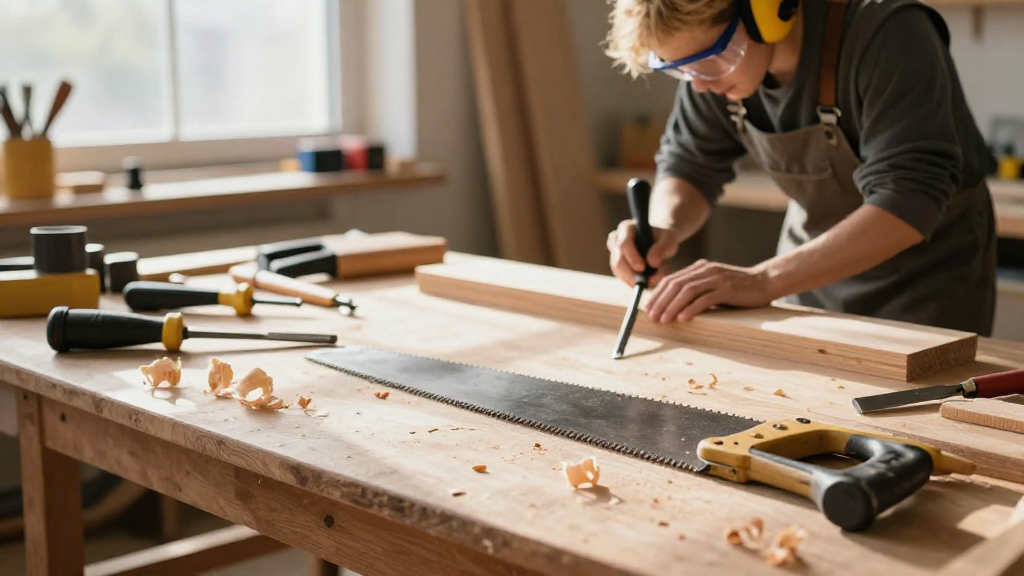
Every woodworker, whether a beginner or a seasoned pro, should prioritize safety. Knowing how to prevent wood shop injuries is crucial for a productive and pleasant woodworking experience.
Why Is It Important to Focus on Safety in the Woodshop?
When you step into a woodshop, you’re surrounded by powerful tools, sharp blades, and heavy materials that pose risks.
Preventing injuries not only keeps you safe but also ensures that your projects continue without interruption.
Common injuries include:
- Cuts and lacerations
- Strains and sprains
- Eye injuries
- Hearing damage
- Respiratory issues
Being proactive about safety ensures that you can enjoy your woodworking projects while minimizing the risk of injury.
How Can You Create a Safe Work Environment?
Creating a safe workspace is your first line of defense against injuries.
Here are some essential steps to consider:
-
Organize Your Space
– Keep your work area tidy to prevent trips and falls.
– Ensure that power cords and tools are stored properly when not in use. -
Use Proper Lighting
– Ensure that your workbench is well-lit to see the details of your work clearly.
– Consider using adjustable lamps for enhanced functionality. -
Maintain Tools Regularly
– Regularly inspect and maintain tools to ensure they are in good working condition.
– Replace dull blades and worn-out parts to prevent accidents. -
Install Safety Features
– Equip your workshop with safety gear such as eyewear, ear protection, and gloves.
– Consider installing dust collection systems to minimize respiratory hazards.
What Personal Protective Equipment (PPE) Should You Wear?
Knowing how to prevent wood shop injuries also involves wearing the right PPE.
Here’s a list of essential gear that every woodworker should have:
- Safety Glasses: Protect your eyes from flying debris.
- Hearing Protection: Use earplugs or earmuffs when operating loud machinery.
- Dust Masks: Prevent inhalation of wood dust and other harmful particles.
- Cut-Resistant Gloves: Protect your hands when handling sharp tools.
- Steel-Toe Boots: Prevent foot injuries from heavy materials falling.
Investing in quality PPE is crucial for minimizing the risk of injury in your woodshop.
How Can You Operate Tools Safely?
The operation of woodshop tools is where many injuries occur.
To learn how to prevent wood shop injuries tied to tool use, follow these tips:
-
Read the Instructions
– Always familiarize yourself with the manufacturer’s guidelines for any tool.
– Understanding the safety features of the tool can help you use it safely. -
Stay Focused
– Avoid distractions while using power tools.
– If you’re feeling tired, take a break before getting back to work. -
Use Safety Guards
– Always use the safety guards that come with equipment.
– These features are designed to protect you during operation. -
Follow Safe Procedures
– Always cut away from your body and keep hands clear of blades.
– Never reach over a running blade or cutter. -
Do Not Remove Safety Features
– Do not modify or disable safety features. These are there to protect you!
– Always ensure that your tool is switched off before changing blades or making adjustments.
How Can You Lift and Move Materials Safely?
Lifting and moving materials are key activities in woodworking that can lead to injuries.
To avoid injuries related to lifting, consider these techniques:
-
Assess the Load
– Before lifting, evaluate the weight and size of the material.
– If the load is too heavy, ask for help or use a hoist or dolly. -
Use Proper Lifting Techniques
– Bend your knees and keep your back straight when lifting.
– Use your legs to bear the weight, and avoid twisting while carrying. -
Maintain Your Balance
– Keep materials close to your body when lifting.
– Walk slowly and deliberately to maintain stability. -
Take Breaks
– If you’re working with heavy materials for extended periods, take breaks to rest your muscles.
What Should You Do in Case of an Accident?
Even with the best prevention, accidents can happen.
Here’s a quick guide on what to do in case of an injury:
-
Stay Calm
– Take a deep breath and assess the situation. -
Identify the Severity of the Injury
– For minor cuts, clean and apply antiseptic as needed.
– For severe injuries, such as those requiring more than a bandage or involving the head or back, seek medical help immediately. -
Report the Incident
– Document the injury for your records and, if applicable, report it to your workplace safety program. -
Learn from the Incident
– Take time to analyze what caused the accident and how you can prevent it in the future.
How Can You Educate Yourself About Woodshop Safety?
Knowledge is a powerful tool in preventing injuries.
To enhance your understanding of how to prevent wood shop injuries, consider these avenues:
- Take a Safety Course:
-
Many woodworking shops and organizations offer courses focusing on safety protocols.
-
Read Manuals and Guidelines:
-
Familiarize yourself with safety manuals provided by manufacturers.
-
Join Woodworking Communities:
-
Engage with fellow woodworkers online or in-person to share safety tips and experiences.
-
Attend Workshops:
- Participating in woodworking workshops can provide hands-on training in safe practices.
Conclusion
Knowing how to prevent wood shop injuries is essential for anyone involved in woodworking.
By creating a safe work environment, using proper protective gear, operating tools correctly, and practicing safety when lifting materials, you can significantly reduce the risk of injury.
Remember, safety should always be your top priority.
With these strategies in place, you can enjoy a fulfilling and safe woodworking journey.