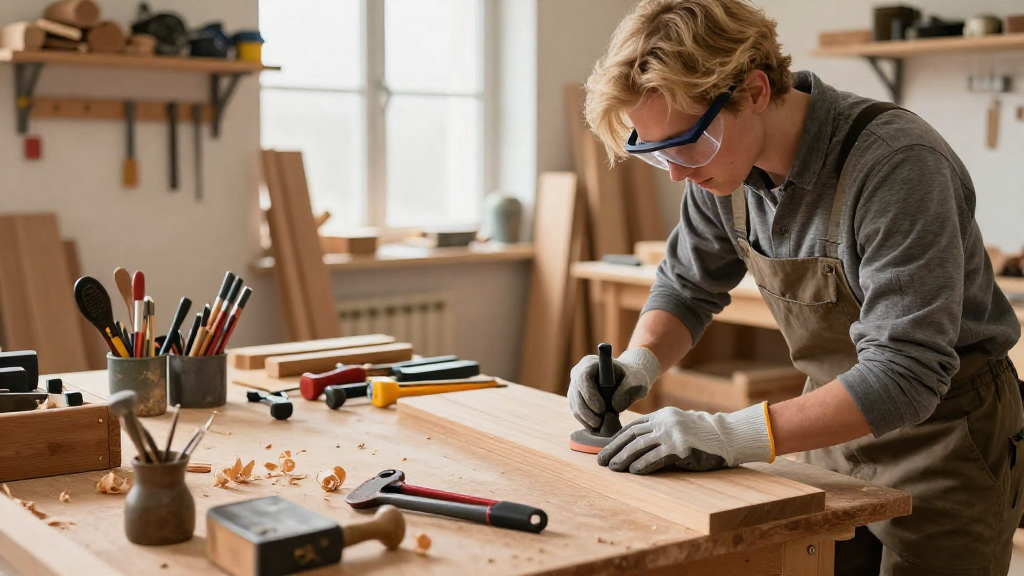
When engaging in woodworking, choosing safe clothing for woodworking is essential to ensure not only comfort but also safety.
In this article, we will uncover what to wear and what not to wear while woodworking.
Why is Safe Clothing for Woodworking Important?
Safety should be a priority when woodworking.
Choosing the right clothing can:
- Minimize accidents: Loose clothing can get caught in machines, causing serious injuries.
- Protect your body: Wood dust and splinters can cause skin irritation and allergies.
- Provide comfort: Breathable fabrics help keep you cool and focused during your projects.
What Clothing Items Are Essential for Woodworking?
To ensure you are dressed appropriately, consider the following safe clothing for woodworking items:
-
Fitted Tops
Opt for fitted shirts made of durable materials. Avoid baggy or loose tops that could snag on tools. -
Protective Bottoms
Choose long pants, preferably made of thick fabric.
Denim or work trousers are excellent options. Skirts or shorts can leave your legs exposed to risks. -
Sturdy Footwear
Invest in steel-toed boots or shoes.
This ensures protection against falling objects and sharp tools. Sandals and flip-flops should be avoided at all costs. -
Safety Glasses
Protect your eyes from flying debris and wood dust. -
Ear Protection
If you’re using loud machinery, earplugs or earmuffs are a must. -
Dust Masks
These are crucial for avoiding inhaling wood particles and allergens. -
Gloves
Use gloves made specifically for woodworking tasks.
Ensure they fit well and provide grip without being overly bulky.
What Should You Avoid Wearing While Woodworking?
Understanding what not to wear is just as important as knowing what to wear. Here are staples to avoid for safe clothing for woodworking:
-
Loose Clothing
Oversized t-shirts, baggy jeans, or long scarves can get caught in machinery. -
Jewelry
Rings, bracelets, and necklaces can become entangled in tools or saws. -
Shorts
Avoid wearing shorts that leave your legs exposed. Falling objects can cause severe injuries. -
Flip-Flops and Open-Toed Shoes
Foot injuries are common in workshops. Protect your feet with closed-toe, sturdy footwear. -
Very Light Fabrics
Fabrics like silk or thin cotton can offer minimal protection against sharp splinters and wood debris.
Should You Dress in Layers?
Wearing layers can be beneficial while woodworking, as it allows you to adjust according to the temperature of your workspace. Here’s why it’s a great option:
- Insulation: A well-insulated outfit helps keep you warm in cooler conditions.
- Flexibility: If you get warm from working, you can always remove a layer.
- Protection: More layers mean more protection from potential hazards.
However, ensure that layers do not become bulky or cumbersome.
How Does Environment Affect Your Clothing Choices?
The environment where you are woodworking significantly influences your clothing choices. Here are some considerations:
- Indoor vs. Outdoor: If doing outdoor woodworking, dress appropriately for weather conditions (e.g., sun protection, waterproof clothing for wet conditions).
- Heated Shops: In a heated environment, breathable fabrics are essential to prevent overheating.
- Cold Workshops: In colder spaces, consider thermal wear under protective clothing.
Do Accessories Matter?
Accessories can complement your safe clothing for woodworking. Always prioritize safety over style, but here are some accessories to consider:
- Tool Belt: This keeps essential tools within reach, reducing trips to your workstation.
- Aprons: A woodworking apron offers pockets for tools and protects your clothing from sawdust and stains.
- Hair Restraints: Long hair should be secured to avoid potential entanglement in machinery. Use ponytail holders or a cap.
How Do You Prepare Your Work Area in Relation to Your Clothing?
Dressing appropriately extends beyond personal attire; your work area should also be conducive to safety. Here’s how your surroundings matter:
- Clear Clutter: Ensure your workspace is tidy.
- Proper Lighting: Good visibility reduces the chances of accidents.
- Dust Control: Keep your space well-ventilated or use dust extraction tools to minimize wood particles.
What Additional Safety Gear Should You Consider?
Along with safe clothing for woodworking, consider additional safety gear for enhanced protection:
- Face Shields: If working with power tools, face shields can provide extra protection against flying debris.
- Knee Pads: Useful if you spend a lot of time on your knees while working.
- High-Visibility Vests: Particularly if woodworking in a shared or busy workspace or outdoors.
Conclusion: Combining Safety and Style in Woodworking
When it comes to woodworking, safe clothing for woodworking is key to ensuring your well-being and success in your projects.
By wearing the right materials and avoiding dangerous items, you can create a safe and efficient workspace.
Remember to prioritize comfort and safety above all else.
With the right attire and accessories, you can embrace your woodworking passion while keeping yourself secure.
Your creativity deserves a safe space, so gear up and start crafting!