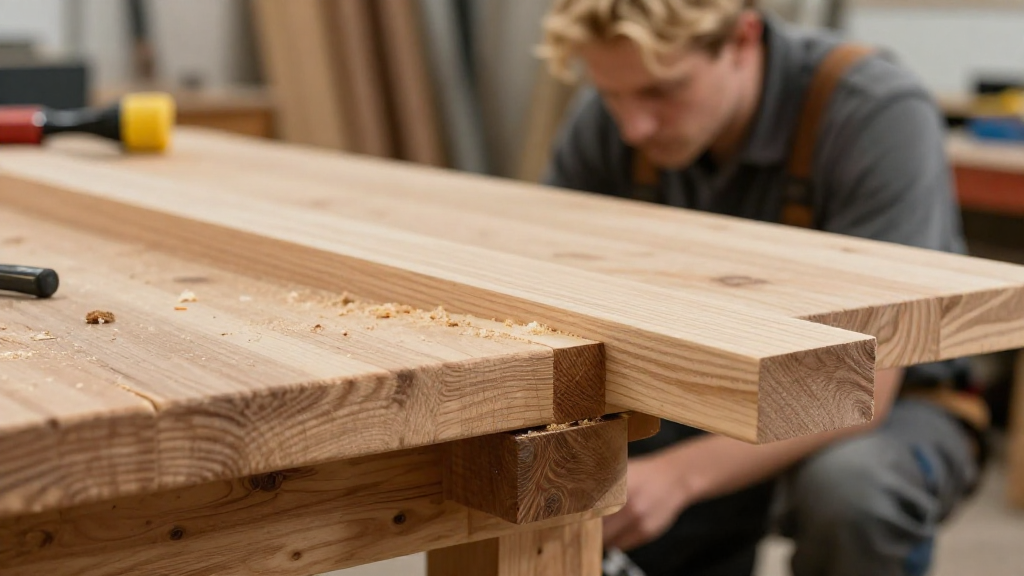
When it comes to joining materials, many people often wonder, what is a lap joint?
This article will delve into the various aspects of lap joints, their benefits, applications, and scenarios where they should be utilized.
What Is a Lap Joint?
A lap joint is a widely used mechanical joint in which two pieces of material overlap each other.
This joint is primarily found in metalworking but is also used in woodworking and other materials.
Several characteristics define a lap joint:
- Overlapping Design: The key feature is the overlapping of two pieces.
- Strength: It provides a robust connection due to the increased contact area.
- Versatility: It can be used in various applications, from construction to art.
Understanding what is a lap joint is essential for selecting the right connection method for your project.
How Do You Create a Lap Joint?
Creating a lap joint can be straightforward. The basic steps are:
- Material Preparation: Ensure your materials are clean and free from debris.
- Cutting: Cut each piece of material to the required dimensions.
- Positioning: Align the overlapping pieces as needed.
- Securing: You can use adhesives, screws, or welding to secure the joint.
What Are the Different Types of Lap Joints?
There are several variations of lap joints, each suited for specific circumstances. Some common types include:
- Simple Lap Joint: The most basic form, where two flat pieces overlap directly.
- Rabbeted Lap Joint: One piece has a notch or recess cut into it, allowing a more secure fit.
- Corner Lap Joint: Common in woodworking, this joint provides strength at corners.
- T-Lap Joint: This variant forms a ‘T’ shape, often used in framing applications.
Understanding these variations can help you to determine what is a lap joint best suited for your specific needs.
Where Is a Lap Joint Used?
Why Choose a Lap Joint?
Lap joints are chosen for various reasons, making them highly applicable in several fields:
- Construction: Ideal for frameworks and connections in structures, providing additional strength.
- Metal Fabrication: Common in welding applications where metal sheets overlap.
- Woodworking: Useful for creating strong joints in furniture assembly or cabinetry.
How Does a Lap Joint Compare to Other Joints?
When highlighting the advantages of lap joints, it’s crucial to compare them to alternatives like butt joints or dovetail joints.
Lap joints often provide:
- Increased Surface Area: This leads to higher strength than butt joints.
- Ease of Assembly: They are simpler to align and secure.
- Flexibility: Suitable for various materials and applications.
By evaluating these differences, it becomes clear why many professionals inquire about what is a lap joint in context to its versatility.
What Are the Advantages of Using a Lap Joint?
Why Are Lap Joints Beneficial?
Lap joints offer several advantages:
-
Strong Connection: The overlapping surface provides enhanced strength.
-
Design Flexibility: They can be used in both structural and decorative applications.
-
Compatibility: They can be employed with various materials, including metal, wood, and plastic.
-
Easy to Repair: If the joint fails, repairs are generally more straightforward than with other joints.
When Should You Use a Lap Joint?
What Situations Call for a Lap Joint?
Identify scenarios that warrant the use of a lap joint. Here are some common situations:
- Load-Bearing Applications: Use lap joints when strength is critical for the structure.
- Outdoor Projects: Ideal for outdoor furniture and structures due to their resistance to environmental wear.
- Metal Constructions: For welded connections, lap joints are often a preferred choice.
How Do You Maintain a Lap Joint?
What Care Is Required for Lap Joints?
Maintaining a lap joint is essential to ensure its longevity and effectiveness:
- Regular Inspections: Check for signs of wear, especially in load-bearing applications.
- Cleaning: Keep the joint free from dust and debris, which can weaken the bond.
- Reinforcement: In cases of heavy load or stress, consider adding additional support.
What Tools Do You Need for a Lap Joint?
When constructing a lap joint, the appropriate tools can make the process easier:
-
Cutting Tools: Saws or routers for cutting materials.
-
Drills: For making holes when using screws for reinforcement.
-
Adhesives: Choose high-strength adhesives for added durability.
-
Clamps: Essential for securing pieces while they bond.
Conclusion
Now that we’ve covered what is a lap joint and its various aspects, you should feel confident about using it in your projects.
Whether for a construction job, woodworking project, or metal fabrication, lap joints provide strong and reliable connections.
To summarize, remember that:
- Lap joints are versatile and robust connections suitable for various materials.
- They are easy to create and maintain, with numerous applications across different fields.
- Understanding their characteristics will help you choose the correct joint type for your specific needs.
With this knowledge, get crafting and experience the benefits of using lap joints in your next project!