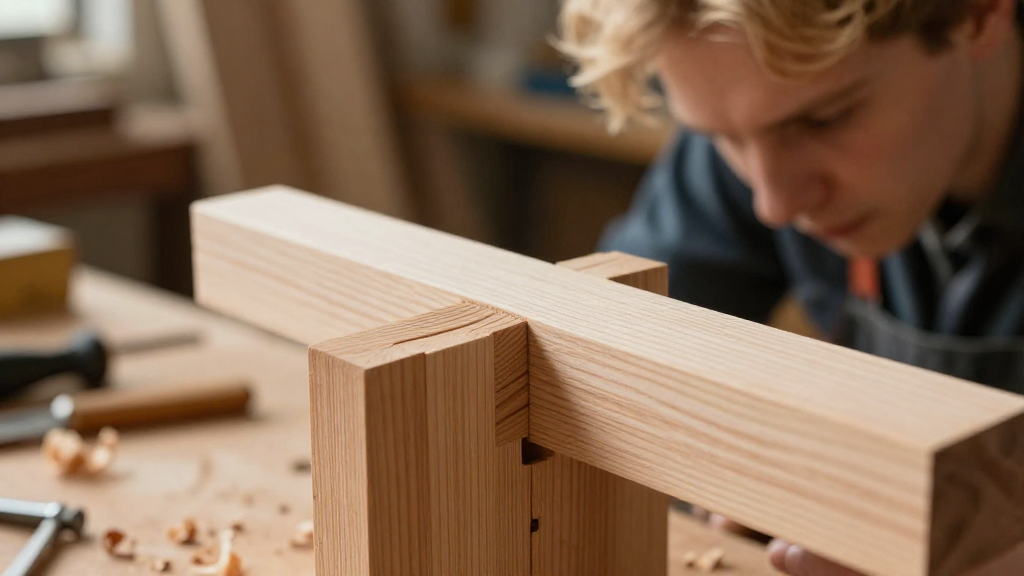
Are you looking to enhance your woodworking skills? Learning how to use a dovetail jig can significantly elevate the quality of your joints. In this comprehensive guide, we will explore the essentials of using a dovetail jig effectively, ensuring ideal results in all your woodworking projects.
What is a Dovetail Jig?
A dovetail jig is a specialized tool used in woodworking to create precise and beautiful dovetail joints.
These joints are renowned for their strength and aesthetic appeal, making them a favorite in cabinetry and furniture making.
This tool allows you to replicate these joints easily, even if you’re a beginner.
Why Use a Dovetail Jig?
Understanding the benefits of using a dovetail jig is essential for anyone new to woodworking.
Here are some compelling reasons to incorporate this tool into your workshop:
-
Precision:
– Dovetail jigs ensure that your joints are perfectly aligned, resulting in a professional finish. -
Consistency:
– The use of a dovetail jig allows you to replicate the same joint, ensuring uniformity across multiple pieces of furniture. -
Strength:
– Dovetail joints are among the strongest wood joints available, providing exceptional durability to your projects. -
Aesthetics:
– Dovetail joints are visually appealing and add an extra layer of sophistication to your woodworking creations.
Now that we understand the value of a dovetail jig, let’s delve into how to use a dovetail jig effectively.
How to Use a Dovetail Jig: The Basics
What Do You Need to Get Started?
To get the most out of your dovetail jig, gather the following tools and materials:
- Dovetail Jig:
-
Choose a model that suits your woodworking needs.
-
Router:
-
A router is essential for cutting the wood joints.
-
Clamps:
-
To secure the wood pieces during the cutting process.
-
Wood Stock:
-
Select the type of wood you plan to work with.
-
Measuring Tape and Marking Tools:
- For accurate measurements and markings.
How to Properly Set Up Your Dovetail Jig
1. Adjust the Jig for Material Thickness:
- Set the jig according to the thickness of the wood you will be using.
- Most jigs have a scale that allows for easy adjustments.
2. Choose the Right Router Bit:
- Depending on the jig and the desired joint, select an appropriate dovetail router bit.
- The size of the bit will affect the tightness and appearance of the joint.
3. Position the Wood in the Jig:
- Place your wood stock securely into the jig.
- Ensure it is clamped tightly to prevent movement during routing.
Step-by-Step Guide: How to Use a Dovetail Jig
Step 1: Mark Your Wood
Before you start cutting, it’s essential to mark where your joints will be.
Use measuring tape to pinpoint the locations accurately, ensuring you account for the dimensions of the dovetails.
Step 2: Set the Router Speed
Different router bits require different speeds.
- General Recommendation:
-
Start with a medium speed setting.
-
Adjust If Necessary:
- Too fast can burn the wood; too slow may not produce clean cuts.
Step 3: Cut Your Dovetails
Now it’s time to perform the actual cutting. Follow these steps:
-
Attach the Router to the Jig:
– Ensure it’s secure before starting. -
Make Cuts:
– Follow the guide on the jig to cut the dovetail profiles.
– Move the router along the jig’s guides, maintaining a steady pace. -
Repeat for Each Joint:
– For multiple dovetails, repeat the process, ensuring you adjust the jig for each piece if necessary.
Step 4: Assemble Your Joint
Once all your cuts are made, it’s time to assemble the dovetail joint.
-
Dry-Fit the Pieces:
– Before applying glue, dry-fit the pieces together to ensure they align properly. -
Apply Wood Glue:
– Use a good quality wood glue on the edges of the joints. -
Clamp the Joint:
– Use clamps to hold the pieces firmly in place while the glue dries.
Step 5: Final Touches
After the glue has set, remove the clamps.
You may need to sand the joints for a smoother finish, ensuring that they blend seamlessly with the surrounding wood.
Tips for Using a Dovetail Jig
-
Practice: Before cutting your actual project, practice on scrap wood to familiarize yourself with the feel of the jig.
-
Read the Instructions: Each jig can have specific instructions—be sure to familiarize yourself with yours.
-
Check Your Cuts: Measure and adjust as needed during the cutting process to maintain precision.
Common Mistakes to Avoid
-
Not Setting the Router Depth Correctly:
– This can lead to joints that are too shallow or too deep. -
Skipping the Dry Fit:
– Always dry-fit your pieces to avoid misalignment. -
Cutting at the Wrong Speed:
– Ensure you’re using the correct RPM for your specific router bit.
Conclusion
Now that you know how to use a dovetail jig, you can create stunning and durable joints in your woodworking projects.
With practice and attention to detail, you’ll master this invaluable skill and impress everyone with your craftsmanship.
Invest in a good quality dovetail jig, follow the steps laid out in this guide, and enjoy the satisfaction of crafting perfect joints every time!
By understanding and implementing these strategies, you’ll be well on your way to creating beautiful woodworking projects with professionally crafted dovetail joints. Happy woodworking!