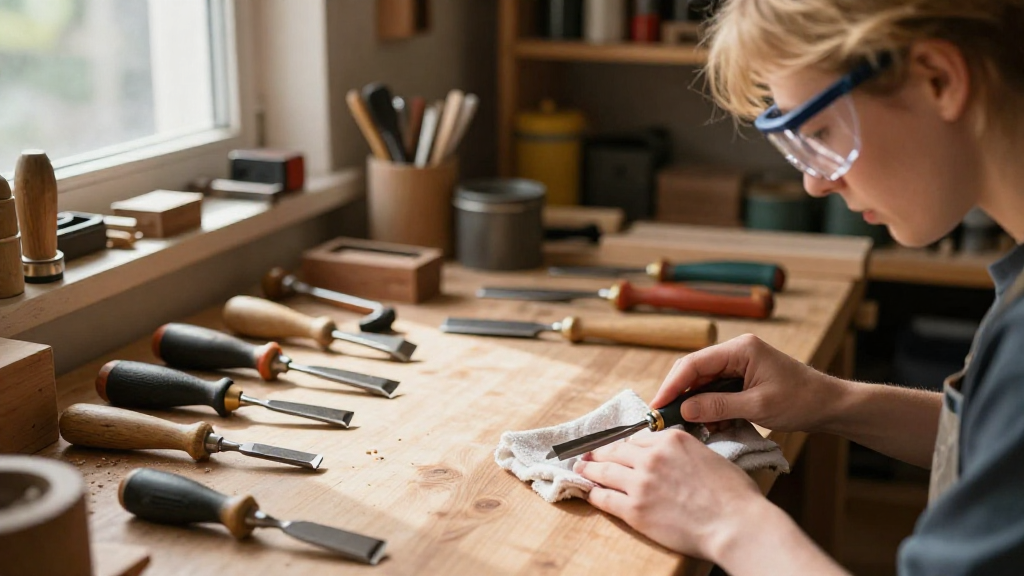
Maintaining your woodworking tools is essential for ensuring quality work and longevity.
In this guide, we’ll explore how to maintain woodworking tools effectively to enhance their performance and durability.
Why is Proper Maintenance Crucial?
Proper maintenance can significantly improve the lifespan and efficiency of your woodworking tools.
Here are some key reasons why you should prioritize tool maintenance:
-
Safety: Well-maintained tools are less likely to malfunction, reducing the risk of accidents.
-
Quality: Maintaining your tools ensures cleaner cuts and better finishes.
-
Cost-Effectiveness: Investing time in maintenance can save you money in the long run by avoiding premature replacements.
What Are the Basic Maintenance Steps?
So, how do you maintain woodworking tools effectively?
Here are some fundamental steps to consider:
1. Clean Your Tools After Each Use
Cleaning your tools after each use is one of the simplest yet most effective ways of maintaining them.
Make it a habit to:
- Wipe down surfaces to remove sawdust and debris.
- Use a soft cloth to polish metal parts, preventing rust and corrosion.
- Inspect for any visible signs of wear and tear.
2. Lubricate Moving Parts Regularly
Lubrication is essential for tools with moving parts.
Here’s how to do it:
- Use an appropriate lubricant like machine oil or lithium grease.
- Apply oil to hinges, guides, and other moving components to ensure smooth operation.
Remember, too much lubricant can attract dust, so always use it sparingly.
3. Sharpen Cutting Edges
Sharp tools are not only more efficient but also safer.
Here’s a quick guide on how to maintain woodworking tools by sharpening them:
-
Use a sharpening stone or honing guide to sharpen chisels and plane blades.
-
For saw blades, invest in a sharpening kit designed specifically for woodworking tools.
-
Regularly check your tools for dullness and sharpen them as needed.
4. Store Tools Properly
Improper storage can lead to damage and rust.
To maintain your woodworking tools, consider the following storage tips:
-
Use a toolbox or tool chest: Keep your tools organized and protected from dust.
-
Hang tools on a pegboard: This keeps them off surfaces, reducing the risk of damage.
-
Store in a cool, dry place: Humidity can lead to rust, so ensure your storage area is dry.
5. Inspect Tools Regularly
Periodically inspecting your tools is essential for identifying potential issues before they escalate.
Here’s a checklist:
-
Check for cracked handles or loose components.
-
Ensure electrical cords are intact and not frayed.
-
Look for signs of rust or corrosion and address them immediately.
When Should You Replace Your Tools?
Even with proper maintenance, some tools may eventually need replacement.
So, how do you know when it’s time?
Signs You Need New Tools
Here are some indicators:
-
Frequent repairs: If you find yourself constantly fixing a tool, it might be time for an upgrade.
-
Inconsistent performance: Tools that no longer deliver quality results may be past their prime.
-
Visible damage: Cracks, chips, and severe wear can compromise both safety and effectiveness.
What Are the Barriers to Effective Maintenance?
Despite the benefits, many woodworkers neglect tool maintenance.
Why is that?
Here are some common barriers:
-
Time Constraints: Busy schedules can make it difficult to dedicate time to maintenance.
-
Lack of Knowledge: Some woodworkers may not know how to maintain woodworking tools effectively.
-
Forgetting the Importance: Maintenance may fall by the wayside if it isn’t part of your routine.
How Can You Incorporate Maintenance into Your Routine?
Creating a maintenance schedule can help you incorporate regular care into your woodworking practice.
Consider these strategies:
-
Dedicated Maintenance Days: Set aside specific days for tool maintenance.
-
Incorporate Maintenance into Your Workflow: Clean and inspect tools at the end of each project.
-
Reminders: Use calendar apps or notes to remind you about regular maintenance tasks.
Conclusion: Make Tool Maintenance a Priority
Understanding how to maintain woodworking tools is crucial for every woodworker, from hobbyists to professionals.
Investing time in cleaning, lubricating, sharpening, and inspecting your tools will lead to:
-
Increased safety
-
Enhanced performance
-
Extended lifespans
Start prioritizing your tool maintenance today, and you’ll see the difference in your woodworking projects!
By following these guidelines, you will ensure that your woodworking tools remain in peak condition, allowing you to focus on what you love most—creating beautiful wood projects. Make tool maintenance a part of your routine, and you’ll reap the benefits for years to come. Remember, your tools are an extension of your craft, so treat them well!