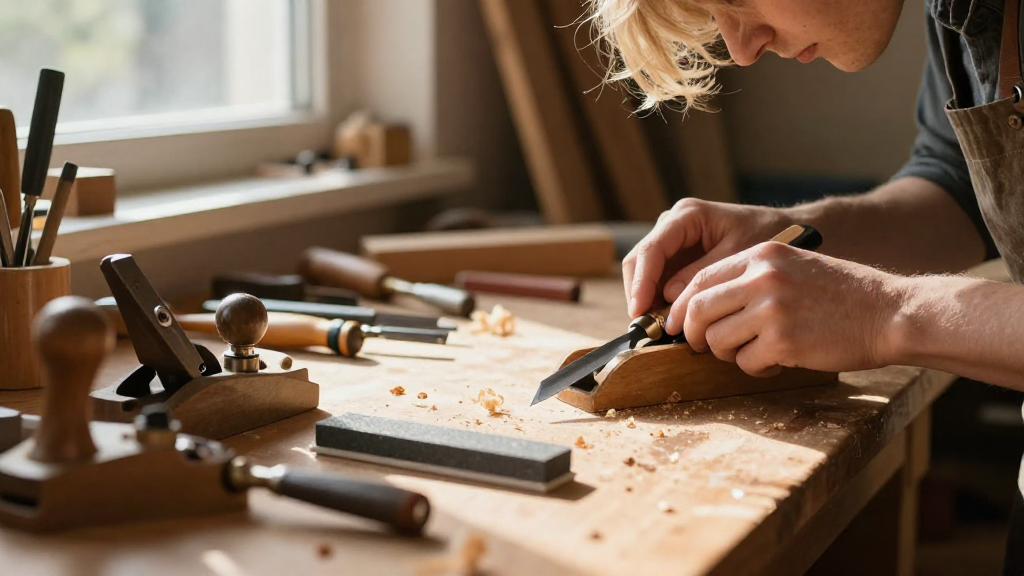
When it comes to woodworking, knowing how to sharpen your woodworking tools is crucial for achieving clean cuts and precision. Dull tools can lead to frustration and poor results, making it imperative to keep your equipment in tip-top shape.
Why Should You Learn How to Sharpen Woodworking Tools?
Learning how to sharpen woodworking tools not only enhances your craftsmanship but also prolongs the life of your tools.
Here are some benefits:
-
Improved Accuracy: Sharper tools provide cleaner cuts, allowing you to work with greater precision.
-
Safer Operation: Dull tools require more force, increasing the risk of accidents.
-
Increased Efficiency: Sharp tools cut through wood with ease, reducing time and effort in your projects.
-
Cost-Effective: Proper maintenance means you won’t need to replace tools as often.
What Tools Do You Need to Sharpen Woodworking Tools?
To effectively sharpen your woodworking tools, you’ll need a few key items:
-
Whetstone or Sharpening Stone: Available in different grits, this is essential for grinding edges.
-
Honing Guide: Helps maintain the correct angle while sharpening.
-
Diamond Sharpening Plate: This is a more durable option that can sharpen various tools and hold up well over time.
-
Strop: Perfect for polishing your tools to a fine edge after sharpening.
-
Safety Gear: Always wear safety glasses to protect your eyes.
How Do You Prepare Your Tools for Sharpening?
Before you begin sharpening, it’s vital to prepare your tools properly.
Follow these steps:
-
Clean the Tool: Use a clean rag to remove any sawdust, sap, or grime.
-
Inspect the Blade: Look for any chips or damages that may require specialized attention before sharpening.
-
Determine the Angle: Most woodworking tools have a recommended sharpening angle. Research the specific angle for your tool type, usually between 20 and 30 degrees.
How Do You Sharpen Woodworking Tools Step by Step?
To effectively sharpen your woodworking tools, consider the type of tool you’re working with. The following steps outline the general sharpening process for common tools like chisels and plane blades.
1. Whetstone Method
For beginner woodworkers, the whetstone method is a good place to start.
Here’s how to sharpen woodworking tools using a whetstone:
-
Soak the Stone: If you’re using a water stone, soak it for about 10-15 minutes in water first.
-
Set Up Your Workstation: Place the stone on a stable surface with a damp towel underneath it for stability.
-
Position the Tool: Hold the tool at the correct angle against the stone.
-
Start Sharpening:
- Apply light pressure and push the tool across the stone in a sweeping motion.
- Alternate sides to maintain the edge until you feel a burr on the opposite side.
-
Check Your Progress: Wipe the blade and check for sharpness. Repeat until satisfied.
2. Diamond Plates
For those who need a quicker option, a diamond sharpening plate can do wonders.
Implement the following procedures:
-
Prepare the Plate: Check if it’s clean; any debris may hinder effectiveness.
-
Sharpening Motion: As with whetstones, hold the tool at the specified angle and pull it across the diamond plate.
-
Alternate Your Strokes: Ensure you work both sides evenly.
3. Using a Strop
Once your tools are sharpened, using a strop can polish the edge further.
Here’s how to use a strop effectively:
-
Apply Compound: Rub a polishing compound on the strop’s surface.
-
Perform Final Polishing: Drag the tool edge against the strop with a controlled motion, alternating sides until polished.
How Do You Maintain Your Sharp Tools?
After mastering how to sharpen woodworking tools, maintaining them is equally important.
-
Regular Cleaning: After every use, clean your tools to prevent resin buildup.
-
Proper Storage: Use protective sheaths or cases to prevent accidental damage.
-
Frequent Touch-Ups: Instead of letting tools become dull, perform short sharpening sessions regularly.
-
Check for Wear: Regularly inspect the blade’s edge for any sign of wear or damage.
Conclusion: Are You Ready to Sharpen Your Woodworking Tools?
Now that you understand how to sharpen woodworking tools, it’s time to put your knowledge into action.
Having sharp woodworking tools will not only enhance the joy of your craft but also increase the quality of your projects.
With practice, you’ll find sharpening tools becomes a seamless part of your woodworking routine.
Final Tips
-
Always prioritize safety when sharpening. Use clamps to stabilize tools when necessary.
-
Don’t rush the process. Take your time to ensure each tool is sharpened correctly.
-
Consider investing in a sharpening kit that includes various tools and guides suited to your needs.
By mastering the art of sharpening, you’re setting the stage for many successful woodworking endeavors. Happy crafting!