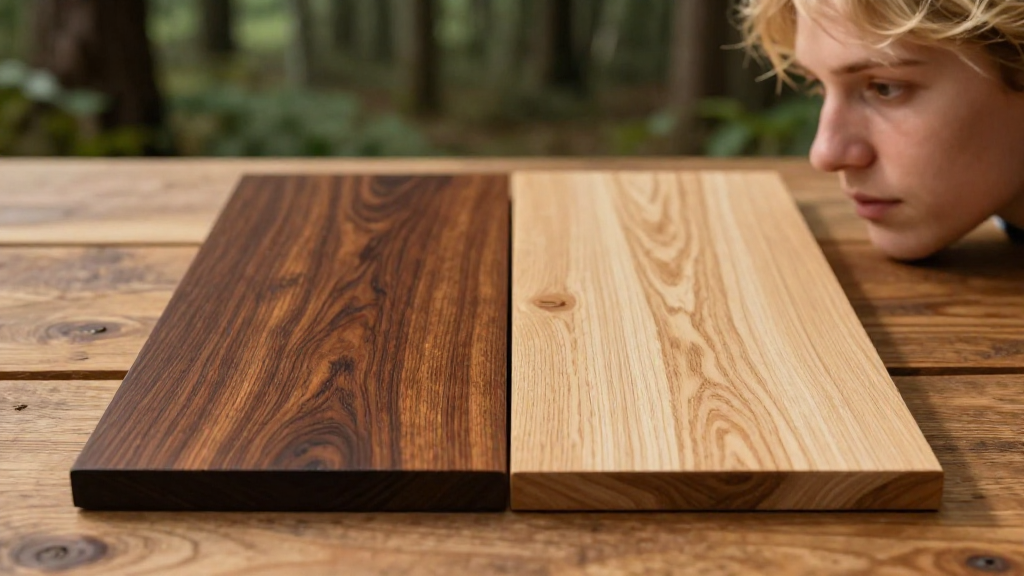
When it comes to choosing between hardwood and softwood, understanding the hardwood vs softwood differences is crucial for making informed decisions in woodworking, construction, and furniture making.
What Are the Basic Hardwood vs Softwood Differences?
The primary distinction between hardwood and softwood lies in the type of trees they come from.
1. What Types of Trees Are Hardwoods and Softwoods?
- Hardwoods come from deciduous trees that lose their leaves annually.
- Examples include:
- Oak
- Maple
- Cherry
-
Walnut
-
Softwoods originate from coniferous trees, which usually remain evergreen.
- Common softwoods include:
- Pine
- Cedar
- Fir
- Spruce
These fundamental differences not only affect their origin but also their characteristics and uses.
2. What Are the Physical Properties of Hardwood and Softwood?
Understanding the physical properties is essential for anyone considering the hardwood vs softwood differences.
- Hardwoods tend to be denser and sturdier.
-
This density contributes to:
- Higher durability
- Better resistance to wear and tear
-
Softwoods are generally lighter and easier to work with.
- They feature:
- Lower density
- Faster growth rates
This leads to differences in how they behave when used in projects.
3. How Do Hardwoods and Softwoods Differ in Uses?
The uses of hardwood and softwood vary significantly based on their respective properties.
- Applications of Hardwoods:
- Furniture
- High-end cabinetry
- Flooring
-
Musical instruments
-
Applications of Softwoods:
- Framing for buildings
- Affordable furniture
- Paper production
- Outdoor decking
Knowing where to use each type of wood can save you time and money, making it essential to understand these hardwood vs softwood differences.
4. Are There Price Differences Between Hardwood and Softwood?
Another significant hardwood vs softwood difference is their cost.
- Hardwoods tend to be more expensive due to:
- Longer growth cycles
-
Greater demand for high-quality finishes
-
Softwoods are generally cheaper and more accessible, making them a popular choice in construction and budget-friendly projects.
This price gap is essential for budget-conscious decisions in building and renovations.
5. What Are the Sustainability Differences Between Hardwoods and Softwoods?
Sustainability is becoming an increasingly important factor in the selection of materials.
- Hardwoods can be less sustainable, particularly when:
- Sourced from old-growth forests
-
Over-harvested without proper management
-
Softwoods usually grow faster and can be more sustainably harvested, especially when sourced from managed forests.
This aspect is vital for eco-friendly carpentry and construction.
6. How Do Hardwoods and Softwoods Differ in Appearance?
The aesthetic qualities of hardwood and softwood can make a significant difference in design choices.
- Hardwoods often display:
- Unique grains
- Varied colors
-
A natural luster that comes with a polished finish
-
Softwoods typically have a more uniform appearance but can be treated to enhance their visual appeal.
Choosing the right wood type can greatly influence the final look of a project.
7. What Are the Maintenance Requirements for Hardwoods and Softwoods?
Maintenance is another area where hardwood vs softwood differences might come into play.
- Hardwoods usually require:
- Regular polishing and care to maintain their luster
-
More effort in repair due to their density
-
Softwoods, on the other hand, often need:
- Less intensive care
- Routine cleaning for maintenance
Understanding these requirements can guide the choice based on how much upkeep is feasible.
8. How Do Hardwoods and Softwoods Differ in Color and Grain?
Notably, the visual appeal and design potential of wood come from their color and grain.
- Hardwoods often feature rich, diverse colors, such as:
- Deep mahogany
-
Light ash
-
Softwoods generally maintain lighter, more neutral tones:
- Pale yellow
- Soft brown
Grain patterns also differ, with hardwoods showcasing intricate designs while softwoods might present straighter lines.
9. Which One Is Better: Hardwood or Softwood?
Choosing “the best” wood largely depends on your specific needs and preferences.
- Choose Hardwoods for:
- Durability
- Aesthetic richness
-
Long-term investment
-
Opt for Softwoods when:
- Budget constraints are a priority
- Easy crafting and construction are essential
- Lightweight materials are preferred
10. Can You Use Hardwoods and Softwoods Together?
Absolutely!
- Combining hardwoods and softwoods can lead to innovative designs.
- For example, you might create:
- A sturdy hardwood base with a softwood accent.
- This approach can yield both durability and an attractive finish.
Conclusion: Which Should You Choose?
Understanding the hardwood vs softwood differences equips you with the knowledge to choose the best wood for your projects.
Evaluate your needs based on:
– Durability
– Appearance
– Budget
– Sustainability
By considering these factors, you can select the most suitable type of wood for any woodworking project, ensuring it meets your criteria effectively.
Final Thoughts
Whether you’re crafting an intricate piece of furniture or constructing a sturdy frame for your house, recognizing the distinctions between hardwoods and softwoods will help guide your choices.
Choose wisely and enjoy the benefits of your selected wood type in your future projects.