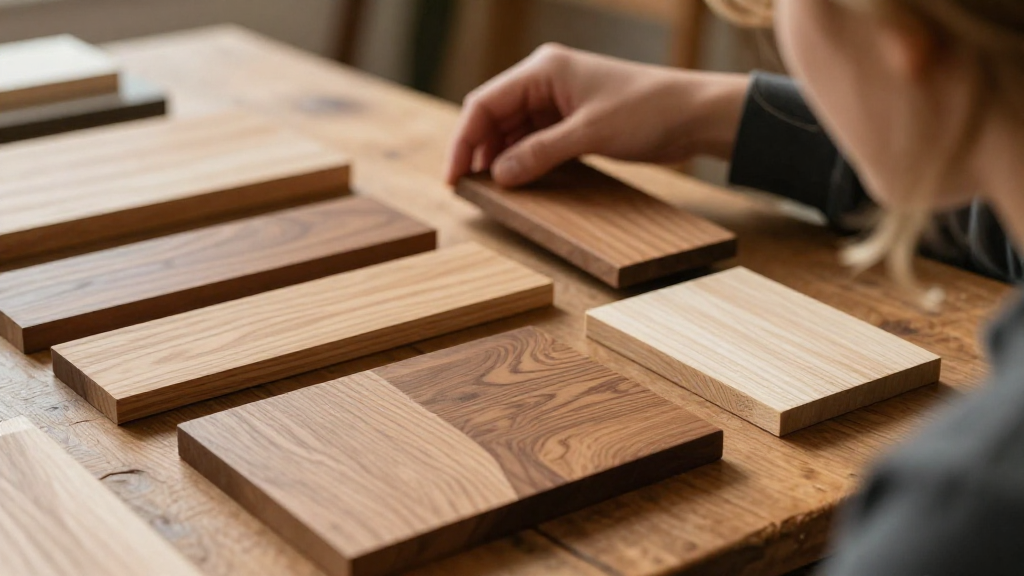
How to Choose the Right Wood for Your Woodworking Project
Choosing the right wood for a project is a crucial step in any woodworking endeavor.
Whether you’re crafting a piece of furniture, creating decorative items, or building something functional, the type of wood you select can significantly impact the quality, durability, and aesthetic appeal of your work.
What Factors Should You Consider When Choosing Wood?
When you’re wondering how to choose wood for a project, there are several key factors to consider:
-
Wood Type
– Hardwood vs. Softwood: Hardwoods (like oak and maple) are dense and durable, suitable for furniture and flooring. Softwoods (like pine and cedar) are lighter, easier to work with, and often used for crafts or structures.
– Exotic Woods: These can provide unique colors and grains but may be more expensive and challenging to source. -
Grain and Texture
– Open-grain vs. Closed-grain: Open-grain woods (like oak) are textured and visible, while closed-grain woods (like maple) have a smoother surface, affecting both appearance and finishing.
– Consider whether you prefer a pronounced grain or a smooth finish, as it can influence your project’s overall aesthetic. -
Stability
– Moisture Resistance: Some woods are more prone to warping and swelling with moisture changes. Woods like maple and mahogany are known for their stability.
– Choose wood that suits your climate and the specific conditions where your finished project will be located. -
Cost
– Budget Constraints: When learning how to choose wood for a project, establish your budget first.
– Softer woods are typically less expensive, while exotics can be pricey. Always balance quality with cost. -
Finishing
– Consider how easily the wood accepts stains and finishes. Some species will hold a finish beautifully, while others might require more work.
What’s Your Project’s Purpose?
Understanding your project’s purpose is essential when figuring out how to choose wood for a project. Factors to consider include:
- Functional Use: If the project will be used daily, like a dining table, select a durable wood. If it’s a decorative item, you might choose for aesthetics over durability.
- Environmental Exposure: Will your project be indoors or outdoors? Outdoor projects need weather-resistant woods like cedar or redwood.
How Will You Use the Wood in Your Project?
Consider how you will be working with the wood.
Are you cutting, joining, or shaping it?
-
Cutting and Shaping: Some woods are easier to cut and shape than others. Pine, for example, is quite easy to work with, while hardwoods may require specialized tools.
-
Joining Techniques: Think about how you plan to join pieces together. Some woods hold screws and nails better than others.
How Important is Aesthetic Appeal?
For many projects, a wood’s appearance is just as important as its functionality. Here’s how to make a visually appealing choice:
-
Color: Choose wood that complements the design scheme of your project.
-
Grain Patterns: Different woods have unique grains; this factor can significantly affect your project’s overall look.
What Wood Species Are Best for Your Project?
Here are some popular wood species and their best uses, which can help you in how to choose wood for a project.
-
Oak
– Type: Hardwood
– Best For: Furniture, cabinets, flooring
– Characteristics: Durable, strong, and aesthetically appealing with prominent grain patterns. -
Maple
– Type: Hardwood
– Best For: Furniture and cabinetry
– Characteristics: Hard, fine texture, and excellent for finishing. -
Pine
– Type: Softwood
– Best For: Crafts and construction
– Characteristics: Light, easy to work with, and cost-effective. -
Cedar
– Type: Softwood
– Best For: Outdoor furniture and shingles
– Characteristics: Natural resistance to decay and a pleasant scent. -
Cherry
– Type: Hardwood
– Best For: Fine furniture and cabinetry
– Characteristics: Rich color that darkens with age; smooth texture. -
Teak
– Type: Hardwood
– Best For: Outdoor furniture and high-end projects
– Characteristics: Water-resistant and incredibly durable.
What Is Your Skill Level?
Your woodworking experience will influence your material choice. Beginner woodworkers may find softer woods like pine more forgiving.
If you have advanced skills, consider exploring more complex projects with hardwoods or exotic woods.
Do You Need Sustainable Wood Choices?
As environmental awareness grows, sustainable wood sourcing has become an important consideration.
When learning how to choose wood for a project, look for certifications such as:
- FSC (Forest Stewardship Council): Ensures that the wood has been harvested sustainably.
- PEFC (Programme for the Endorsement of Forest Certification): Promotes sustainable forest management.
Conclusion: Making the Final Choice
In summary, choosing the right wood for a project involves careful consideration of several factors from type and purpose to aesthetics and sustainability.
Here’s a quick recap of the steps:
- Assess your project’s needs
- Evaluate wood types and characteristics
- Determine your budget
- Factor in aesthetics and environmental concerns
- Choose based on skill level and functionality
By following these guidelines on how to choose wood for a project, you can ensure that you make an informed choice that aligns with both your vision and practical requirements. Selecting the appropriate wood is not just about functionality; it’s also a step toward crafting a piece that exudes quality and skill. Happy woodworking!