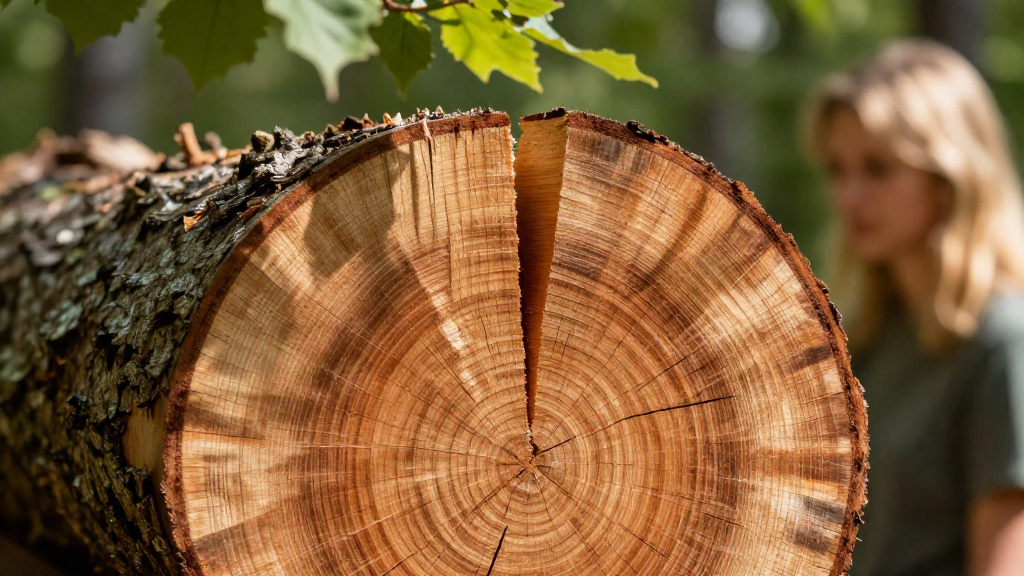
When it comes to choosing the right type of wood for your projects, understanding the difference between pine and cedar is essential.
What Are the Key Characteristics of Pine and Cedar Wood?
Both pine and cedar are popular choices for various applications, but they possess unique traits that cater to different needs.
1. What Is Pine Wood?
Pine wood is a softwood derived from the evergreen pine tree.
It has the following characteristics:
- Appearance: Light yellow to medium brown color, often with a straight grain.
- Strength: Generally strong yet lightweight, making it great for furniture and structural projects.
- Cost: Affordable, making it a favored choice for DIY enthusiasts.
- Workability: Easy to cut, shape, and finish, suitable for both beginners and professionals.
2. What Is Cedar Wood?
Cedar wood, on the other hand, is also a softwood but originates from the cedar tree, which can be found in various species, such as Western Red Cedar and Eastern Red Cedar.
Key characteristics include:
- Appearance: Rich reddish-brown with a fine, straight grain, often featuring knots and unique patterns.
- Strength: Very durable, particularly resistant to rot and decay, making it ideal for outdoor projects.
- Cost: Generally more expensive than pine due to its scarcity and desirable properties.
- Workability: Similar to pine in terms of ease of handling but may require special care due to its aromatic oils.
How Do Pine and Cedar Wood Compare in Terms of Durability?
When considering durability, the difference between pine and cedar is quite pronounced.
1. Rot and Pest Resistance
- Cedar: Naturally resistant to rot and insect damage due to its aromatic oils. This makes it an excellent choice for outdoor furniture, fencing, and decking.
- Pine: While it can last for years if properly treated, pine is generally less resistant to decay and pests. It may require preservatives for outdoor use.
2. Weather Resistance
- Cedar: Maintains its integrity against the elements, making it suitable for outdoor applications.
- Pine: More prone to warping and weathering unless properly sealed and maintained.
What Are the Main Uses of Pine and Cedar Wood?
The different properties of these woods lead to various applications. Here’s where they excel:
1. Common Uses for Pine Wood
- Furniture: Chairs, tables, and shelves.
- Construction: Framing, beams, and plywood.
- DIY Projects: Crafts and home décor, favored for its ease of use.
- Flooring: Often used in areas where light wear is expected.
2. Common Uses for Cedar Wood
- Outdoor Furniture: Benches, picnic tables, and patio furniture.
- Fencing: Ideal for garden and boundary fences.
- Decking: Strong resistance to rot makes it preferable for decks, porches, and walkways.
- Closets and Chests: The natural aroma of cedar helps repel moths and other pests.
How Do Pine and Cedar Woods Stack Up in Terms of Cost?
Understanding the difference between pine and cedar also involves looking at their price points.
1. Pine Wood Pricing
- Lower Cost: Pine typically costs anywhere from $1 to $5 per board foot, making it a budget-friendly option.
- Availability: Easily sourced, generally found at most lumber yards and home improvement stores.
2. Cedar Wood Pricing
- Higher Cost: Cedar can range from $5 to $15 per board foot or more, depending on quality and species.
- Specialized Suppliers: May not be as readily available in all regions, often requiring a visit to specialized lumber yards.
What About Sustainability and Environmental Impact?
Another important aspect to consider when comparing the difference between pine and cedar is sustainability.
1. Pine Sustainability
- Plantations: Often sourced from managed forests or plantations.
- Regeneration: Fast-growing species, which facilitates quicker regrowth.
2. Cedar Sustainability
- Slow Growth: Cedar trees take longer to mature, potentially leading to sustainability concerns if not sourced carefully.
- Wild Harvesting: Some cedar species are harvested from old-growth forests, which can impact ecosystems.
How Do the Aesthetics of Pine and Cedar Compare?
When it comes to aesthetics, the visual appeal can influence your choice significantly.
1. Pine Aesthetics
- Finish: Light-colored wood can be stained or painted to suit various styles.
- Grain Pattern: Generally simple, offering a more rustic look.
2. Cedar Aesthetics
- Color: The rich, warm tones provide a classic appeal, often left unfinished to showcase natural beauty.
- Knots and Patterns: Creates a unique character, enhancing its visual appeal.
What’s the Bottom Line?
In conclusion, the difference between pine and cedar isn’t merely a matter of preference but revolves around practical applications, durability, and cost considerations.
- If cost-effectiveness and ease of work are your top priorities, then pine wood might be your best bet.
- For durability, rot resistance, and aesthetic appeal, cedar wood stands out as a superior option.
When selecting between these two popular types of wood, take into consideration your specific project requirements, budget, and design goals.
Armed with this knowledge, you can confidently choose whether pine or cedar wood is best for your next project. Always remember to source your lumber responsibly, keeping both the environment and your needs in mind.