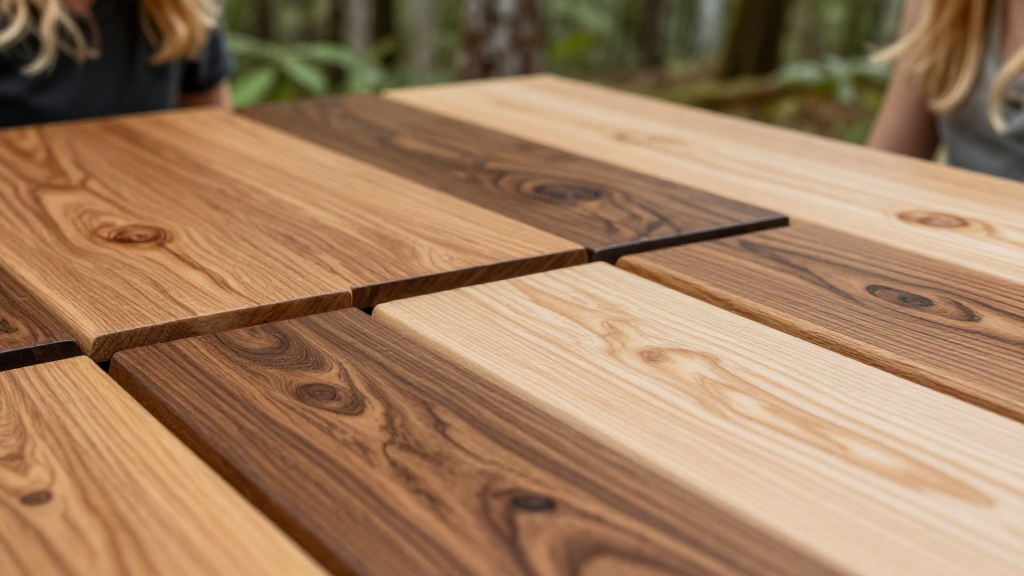
Wood grain patterns and types are essential to anyone who works with or appreciates wood.
These characteristics not only contribute to the beauty of wood but also affect its performance, strength, and overall appeal.
In this article, we will explore various wood grain patterns and types, helping you understand how they can influence your projects and choices.
What Are Wood Grain Patterns and Types?
Wood grain refers to the unique line patterns and textures that appear on the surface of wood.
These patterns are created by the growth rings and cellular structure of the tree from which the wood is sourced.
Different types of wood exhibit distinct grain patterns, which can range from straight and uniform to intricate and wavy.
Understanding wood grain patterns and types allows you to appreciate the beauty of wood in various applications, whether furniture making, flooring, or decorative pieces.
Why Are Wood Grain Patterns Important?
Wood grain patterns are crucial for several reasons:
-
Aesthetic Appeal:
– Different wood grain patterns provide unique visual characteristics that enhance the beauty of furniture and flooring. -
Strength and Durability:
– The orientation of the grain can affect the wood’s strength and resistance to wear. Understanding this can help in selecting the right material for your projects. -
Workability:
– Certain wood grain types may be easier to work with than others. Grain patterns can affect how wood holds nails, screws, and glue. -
Finish Absorption:
– Different grain types absorb stains and finishes differently, impacting the final appearance of your piece.
What Are the Common Types of Wood Grain Patterns?
We can categorize wood grain patterns into several common types:
-
Straight Grain
– As its name suggests, straight grain is characterized by parallel lines that run along the length of the wood.
– Commonly found in species like maple and pine, straight grain is highly sought after for its simplicity and uniformity. -
Wavy Grain
– This pattern features gentle curves or waves throughout the wood.
– Species such as willow often exhibit wavy grain, adding a unique touch to any woodworking project. -
Interlocked Grain
– In interlocked grain, the pattern appears to change direction throughout the wood.
– This complexity not only adds to the visual appeal but also enhances strength, making it popular in woods like European walnut. -
Figured Grain
– Figured grain is a more intricate pattern typically seen in high-end woods, such as birdseye maple or curly maple.
– The unique shapes add a dramatic effect, making these types of wood perfect for statement pieces. -
Spiral Grain
– Spiral grain has a corkscrew-like appearance and is often seen in species like Redwood.
– This pattern can create stunning visual effects but may also present challenges during cutting and finishing. -
Irregular Grain
– Irregular grain patterns can occur due to environmental factors or health issues within the tree.
– It tends to be less predictable and often results in unique and beautiful pieces of wood.
How Do Environmental Factors Influence Wood Grain Patterns?
The environment in which a tree grows can significantly affect its wood grain patterns and types.
Here are some factors that might influence the characteristics of wood:
-
Soil Quality: Nutrient-rich soil can lead to healthier growth, producing denser, more attractive grain patterns.
-
Weather Conditions: Trees that experience consistent weather are more likely to develop uniform grain; harsh weather can lead to irregular growth patterns.
-
Species: Different tree species display distinct grain patterns due to genetic predisposition. Understanding this can help you select the right timber for your projects.
How to Choose the Right Wood Based on Grain Patterns
When selecting wood for a project, consider the following factors regarding wood grain patterns and types:
-
Project Type:
– For furniture, a straight grain may be desirable for its classic look, while a figured grain might suit decorative items better. -
Finish Preference:
– If you desire a specific finish, test how different grain patterns absorb stains and polishes to achieve your desired look. -
Durability Needs:
– When making items that require strength, look for woods with interlocked grains as they tend to withstand wear better. -
Availability and Cost:
– Unique grain patterns may not be widely available or are more expensive. Consider your budget and local availability when selecting wood.
How to Care for Wood Based on Grain Patterns
Proper maintenance can preserve the beauty and longevity of your wood items. Here are some care tips based on wood grain patterns and types:
- Straight Grain:
-
Typically well-behaved under normal conditions. Clean regularly with a damp cloth.
-
Wavy and Figured Grains:
-
These patterns may require additional care to prevent dirt buildup in the texture. Use a soft brush for cleaning.
-
Interlocked Grain:
-
May be more prone to splintering, so avoid excessive pressure on the surface. Apply a protective finish to seal and maintain appearance.
-
Spiral and Irregular Grains:
- Use caution when sanding as these patterns can be unpredictable. Always test in an inconspicuous area first.
Conclusion: The Charm of Wood Grain Patterns and Types
Understanding wood grain patterns and types is essential for anyone who appreciates woodworking and design.
From selecting the ideal wood for your projects to maintaining its beauty, knowledge of grain patterns can significantly enhance your work.
As you explore the world of wood, remember that each grain tells a unique story.
Embrace the different wood grain patterns and types to enrich your creations and bring joy to your living spaces.
So, the next time you step into a wood shop or consider a new piece of furniture, take a moment to appreciate the intricate beauty of wood grain patterns and types—it’s where nature’s artistry truly meets craftsmanship.