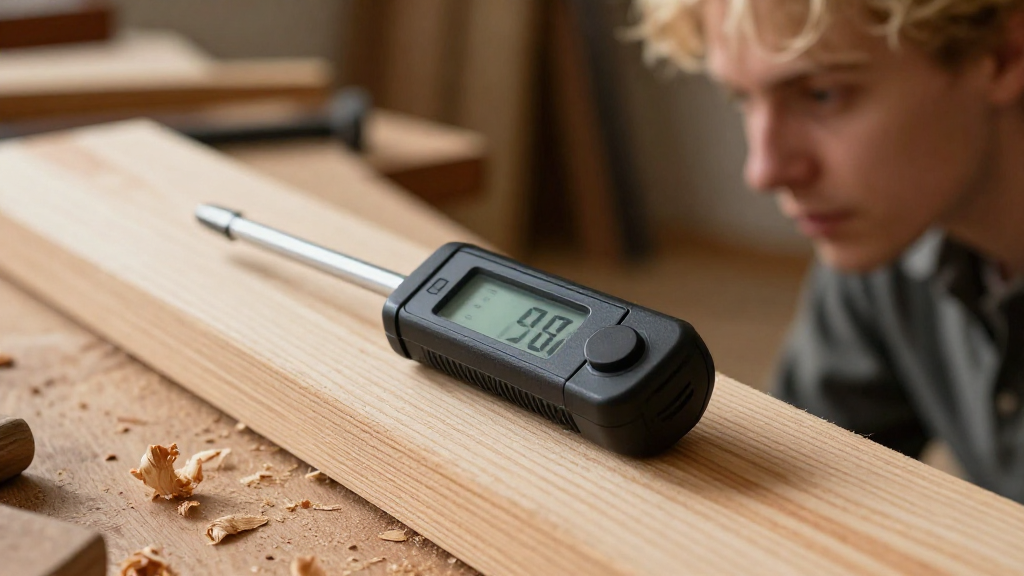
Understanding how to read wood moisture content is essential for anyone involved in woodworking, construction, or woodworking hobbies.
Whether you’re a seasoned professional or a DIY enthusiast, knowing how to measure wood moisture content can significantly impact your projects.
Why is Wood Moisture Content Important?
Measuring wood moisture content is crucial for several reasons:
- Preventing Warping and Cracking: High moisture levels can lead to warping or cracking in wood once it is installed in a structure.
- Ensuring Adhesion: Many adhesives require a specific moisture content for optimal bonding.
- Avoiding Mold Growth: Excess moisture can promote mold and decay, compromising the wood’s structure and durability.
- Improving Finish Quality: Properly dried wood accepts stains and finishes more uniformly.
Understanding these factors helps you appreciate the significance of how to read wood moisture content effectively.
How Do You Measure Wood Moisture Content?
There are several methods to measure wood moisture content:
What Tools Do You Need?
-
Moisture Meter:
– Pin-Type Meters: These devices have metal pins that penetrate the wood to assess moisture levels.
– Pinless Meters: These use electromagnetic waves to measure moisture without damaging the wood. -
Scale:
– Small balances can be useful if you are weighing the wood to determine moisture loss. -
Oven-Drying Method:
– This involves weighing the wood, drying it in an oven, and then reweighing it to find the moisture content.
How to Use a Moisture Meter?
To measure wood moisture content using a moisture meter:
-
Select the Right Meter: Choose between pin-type or pinless based on your needs.
-
Calibrate:
– Follow your manufacturer’s instructions to ensure accurate readings. -
Take Readings:
– For pin-type meters, insert the pins into the wood at various depths.
– For pinless meters, place the device on the wood and allow it to read moisture content. -
Record Data:
– Take multiple readings across different areas of the wood to ensure an accurate average. -
Evaluate Results:
– Compare your readings with moisture levels appropriate for your project.
What is the Ideal Wood Moisture Content?
Understanding what constitutes a normal moisture content is vital.
For most indoor projects, the ideal moisture content of wood should be between 6% and 8%.
How Can You Determine If Wood is at the Right Moisture Level?
-
Compare Readings:
– Measure multiple pieces of wood and compare their moisture levels to confirm consistency. -
Acclimatization:
– Allow wood to acclimatize to the environment where it will be used—this usually takes about a week. -
Seasoning:
– Check if wood has been properly seasoned; it should be dried to the appropriate moisture content before use.
What Are the Consequences of Improper Moisture Levels?
Using wood that is not at the right moisture level can lead to several issues, including:
- Structural Compromise: Warping or cracking can weaken the wood’s integrity.
- Adhesive Failure: Incorrect moisture content can cause adhesives to fail, leading to joints failing.
- Finish Problems: Excess moisture can lead to issues with paint or stain adherence.
- Mold Growth: High moisture can result in dangerous mold levels.
Knowing how to read wood moisture content correctly can help you avoid these challenges.
How Do You Store Wood to Maintain Proper Moisture Levels?
Proper storage is crucial in maintaining wood moisture content. Follow these guidelines:
-
Stacking:
– Stack wood in a way that allows for good air circulation using spacers or stickers. -
Covering:
– Protect wood from moisture exposure by covering it on rainy days while ensuring it remains dry. -
Climate Control:
– Store wood in a controlled environment where humidity and temperature remain stable. -
Regular Checks:
– Regularly monitor the moisture levels with a moisture meter while stored.
What Should You Do If Wood Is Too Wet?
If you discover that your wood has a moisture content that is too high, consider these steps:
-
Drying:
– Use a dehumidifier or dry the wood in a controlled environment to gradually reduce moisture content. -
Acclimatize:
– Allow wood to acclimate in the space where it will be used. -
Using Fans:
– Position fans near the stored wood to help circulate air and dry out excess moisture. -
Avoid Rapid Drying:
– Avoid using high heat sources, as this can cause the wood to crack or warp.
How Often Should You Measure Wood Moisture Content?
Ideally, you should measure wood moisture content at several key points:
- Before you buy: Always check the moisture level of wood before purchase.
- Before cutting: Measure moisture within a few days of planned use.
- During storage: Periodically check wood that will be stored for an extended period.
- Before installation: For the best results, measure the moisture content immediately before installation.
Regular measurements help you avoid potential pitfalls related to moisture content.
Conclusion: Mastering How to Read Wood Moisture Content
In conclusion, knowing how to read wood moisture content can save you time and money, ensuring the integrity and quality of your wood projects.
By utilizing moisture meters, monitoring conditions, and employing proper techniques, you can maintain proper moisture levels in your wood.
Whether you’re working on a small DIY project or a large construction job, understanding how to measure moisture content is invaluable.
Stay informed, stay cautious, and your woodworking endeavors will flourish.