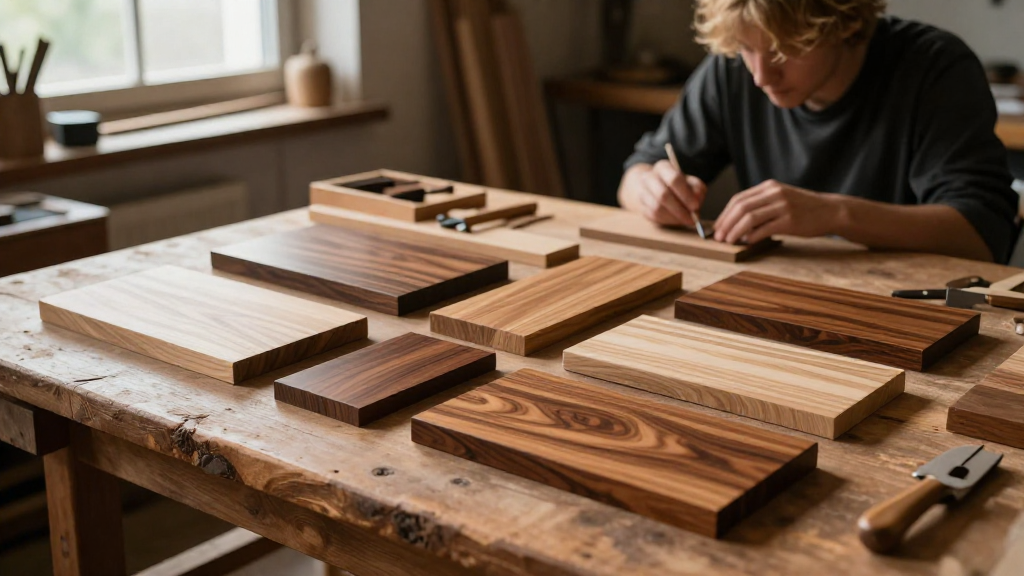
When it comes to fine woodworking, the choice of material can make all the difference. In this guide, we’ll explore the fascinating world of exotic woods for fine woodworking. Discover unique characteristics, benefits, and tips to help you choose the best woods for your next project.
What Are Exotic Woods?
Exotic woods are timber sourced from non-native species that are typically found in tropical or subtropical regions. They are generally characterized by their stunning grain patterns, vibrant colors, and durability.
Using exotic woods for fine woodworking can elevate your projects, allowing you to create pieces that stand out both in beauty and function.
Why Choose Exotic Woods for Fine Woodworking?
1. Unique Aesthetics
Exotic woods offer striking visual appeal. The unique patterns and colors can add a distinctive touch to your woodworking.
2. Durability
Many exotic species are harder and more resistant to wear than domestic woods, making them ideal for furniture and other high-usage items.
3. Eco-friendly Options
Sustainable sourced exotic woods can be environmentally friendly, providing unique beauty without sacrificing ethical practices.
4. Versatility
From cabinetry to intricate carvings, exotic woods can be used in a variety of fine woodworking projects.
What Are Some Popular Exotic Woods?
When considering exotic woods for fine woodworking, it’s essential to familiarize yourself with some of the most popular options available. Here is a list of notable exotic woods:
1. Mahogany
– Known for its rich color and resistance to warping,
– Mahogany is a favorite for furniture making.
– Its beautiful grain can be polished to a silky finish.
2. Teak
– Renowned for its durability and water resistance,
– Teak is often used in outdoor furniture.
– Its high oil content makes it naturally resistant to pests.
3. Rosewood
– Distinguished by its attractive coloration and fragrance,
– Rosewood is often used in musical instruments and luxury furniture.
– Take note: it can be challenging to work with due to its density.
4. Wenge
– Characterized by a dark chocolate hue with stunning black streaks,
– Wenge’s striking appearance makes it a popular choice for contemporary projects.
– This wood is incredibly hard, offering both beauty and strength.
5. Zebrawood
– This wood is easily recognizable due to its dramatic striped appearance.
– Zebrawood is perfect for accent pieces and can be both stunning and functional.
How to Source Exotic Woods for Fine Woodworking?
Sourcing quality exotic woods for fine woodworking can be a significant undertaking. Here are some tips to find the best materials:
-
Local Specialty Lumber Yards
– Visit local lumber yards that specialize in exotic woods.
– Establish a relationship with the supplier to ensure access to fresh stock. -
Online Retailers
– Numerous online vendors cater to fine woodworkers and offer a comprehensive range of exotic options.
– Look for those with good reviews and reliable shipping. -
Woodworking Conventions and Shows
– Attend woodworking conventions for firsthand sourcing.
– These events often feature numerous vendors and a chance to learn about various woods.
What Should You Consider When Choosing Exotic Woods for Fine Woodworking?
When selecting exotic woods, several factors should guide your decision:
1. Wood Density and Hardness
- Determine the type of project you plan to undertake.
- A dense wood is suitable for high-use items, while a softer wood might work for decorative pieces.
2. Grain and Color
- Identify the aesthetic you desire.
- Consider the grain pattern, color, and the finish you intend to apply.
3. Workability
- Some exotic woods are more challenging to work with than others, so choose accordingly.
- Seek advice from experienced woodworkers to avoid issues with tools or finishing.
4. Sustainability
- Ensure that the wood is sourced sustainably.
- Look for certifications or labels indicating eco-friendly practices.
How to Care for Exotic Woods for Fine Woodworking?
Once you have selected your exotic woods, proper care is essential to maintain their beauty and integrity:
1. Proper Storage
- Store your exotic woods in a climate-controlled environment to prevent warping or cracking.
- Keep them flat and off the ground to avoid moisture absorption.
2. Regular Maintenance
- Clean your finished projects with a soft cloth and avoid harsh chemicals.
- Use a suitable wood oil or polish to enhance and protect the surface.
3. Handling with Care
- When working, handle the wood gently to prevent scratches or dents.
- Use proper tools suitable for the wood’s hardness.
4. Be Mindful of Humidity
- Maintain a consistent humidity level, as many exotic woods can be sensitive to changes.
- Consider using a hygrometer to monitor conditions.
How Can Exotic Woods Enhance Your Craft?
Incorporating exotic woods for fine woodworking will undoubtedly elevate your craft. Here’s how:
- Visual Impact: Unique woods draw attention and admiration, enhancing your reputation as a craftsman.
- Quality of Work: The durability of many exotics can result in a higher quality of finished products.
- Diverse Range: The variety available allows for creativity and flexibility in your projects.
- Connection to Nature: Working with unique, natural materials can bring a sense of connection to your craft.
Conclusion
Exotic woods present thrilling possibilities for fine woodworking. Choosing the right wood, understanding the unique qualities of each species, and maintaining your materials are critical for success. With this guide, you’re now equipped to explore the enchanting realm of exotic woods for fine woodworking, enhance your skills, and create stunning pieces that showcase your artistry and dedication to craftsmanship. Happy woodworking!