Small studios need art storage that protects finished work without consuming valuable workspace. The right portfolio keeps prints, sketches, posters, and client presentations organized, portable, and easy to access.
This roundup compares 10 options across sizes, pocket counts, materials, carrying features, and storage formats so you can choose a portfolio that fits your workflow and the artwork you handle most often.
Best 10 Art Portfolios for Small Studios Picks for 2026
Best All-Around Display Folder

- 30 pockets with black inner sheets
- Acid-free, waterproof polypropylene
- Customizable spine and flat-opening sleeves
Best For: Organized 11x17 and A3 artwork presentation
Best Classic Sleeve Album
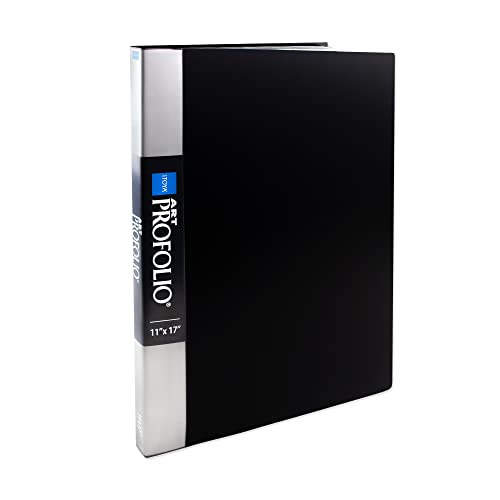
- 24 sleeves provide 48 views
- PVC-free, acid-free polypropylene
- Top-loading pages resist copier-toner sticking
Best For: 11x17 portrait prints and presentation pieces
Best for Transport

- Fits artwork up to 24x18 inches
- Waterproof, tear-resistant 420D nylon
- Handles and shoulder strap included
Best For: Carrying large artwork, posters, and drawings
Best Archival 16x20 Album

- 24 archival pages with 48 views
- Acid-free clear polypropylene pockets
- Black mounting paper and spine insert
Best For: 16x20 artwork presentation and storage
Best Flexible Storage
EOOUT 24x36 Art Portfolio Case
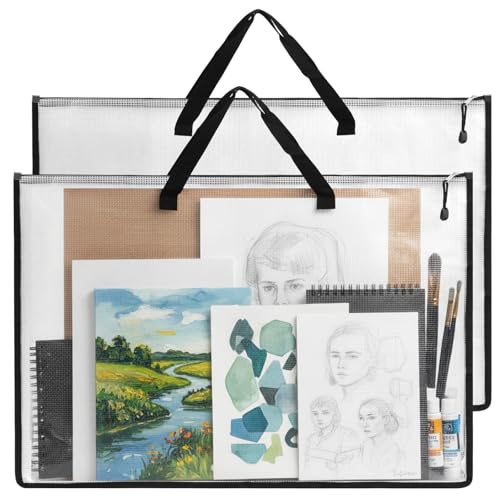
- Two-pack for large artwork and panels
- Waterproof vinyl mesh with zip closure
- Wide straps and foldable design
Best For: Studios storing and carrying oversized flat projects
Best Refillable Binder
Itoya 18x24 Multi-Ring Art Binder

- Refillable multi-ring organization
- Acid-free, archival-safe material
- Flat-laying multi-fold spine
Best For: Studios organizing Arch C artwork and presentation pages
Best Heavy-Duty Carrying Case

- Seven organized compartments
- Holds 500+ sheets or four canvas boards
- Padded, water-resistant 600D fabric
Best For: Studios transporting large volumes of artwork and supplies
Best High-Capacity Binder
Sooez 9x12-Inch 72-Pocket Portfolio

- 72 fixed sleeves hold up to 144 pages
- Archival-grade, acid-free polypropylene
- Elastic closure with customizable spine
Best For: Small studios storing and presenting 9x12-inch artwork
Best for Large Flat Artwork
Arteza 24x36-Inch Soft Portfolio Case

- Fits artwork up to 24x36 inches
- Waterproof 600D polyester shell
- Two zippered compartments and shoulder strap
Best For: Small studios transporting canvases, posters, and foam boards
Best Lightweight Oversized Bag
Extra-Large 30x25-Inch Mesh Portfolio

- Holds boards and sketchbooks under 30x25 inches
- Wide shoulder strap for easier carrying
- Folds flat and includes a zipper closure
Best For: Small studios transporting oversized, flexible art projects
Best All-Around Display Folder – Sooez 11×17 Art Portfolio
For small studios seeking art portfolios for small studios, the Sooez 11×17 folder combines organized presentation with protective materials. Its 30-pocket design, black backing sheets, customizable spine, and flat-opening construction make it practical for storing and showing larger artwork.
Best For: Artists who need an 11×17 or A3 portfolio for organized presentation and storage.
Pros:
- Black inner sheets provide contrast behind smaller artwork and help keep pieces flat.
- Acid-free, non-stick, non-glare, waterproof polypropylene offers substantial protection.
- Clear sleeves and a customizable spine support quick viewing and organization.
Cons:
- Its 11×17 format may be too large for smaller artwork or compact storage.
- The bound folder is less suited to carrying oversized work than a portfolio bag.
The Sooez is a strong choice when presentation quality and easy organization matter more than portability. The black inserts and archival-style construction are especially useful for a studio’s working collection.
Best Classic Sleeve Album – Itoya 11×17 Art Portfolio
The Itoya ITYIA1212 is a straightforward option for small studios building art portfolios for small studios around clear, top-loading sleeves. Its 24 polypropylene sleeves provide 48 views for 11×17 portrait work while keeping the album lightweight and easy to label.
Best For: Professional artists and graphic designers organizing 11×17 portrait prints, drawings, or presentation pieces.
Pros:
- Provides 24 clear top-loading sleeves and 48 total views.
- Polypropylene pages and cover are PVC-free and acid-free.
- Sleeves will not stick to copier toner, and the reversible spine insert supports labeling.
Cons:
- It does not include the black mounting sheets listed with some competing portfolios.
- The 11×17 portrait format limits flexibility for larger or differently oriented work.
- No manufacturer warranty is listed in the supplied details.
This Itoya portfolio favors simple, dependable page organization. It is a sensible fit for studios that primarily need clear sleeves and generous viewing capacity rather than a transport case.
Best for Transport – ZKOO 18×24 Art Portfolio Bag
For studios that regularly move artwork, the ZKOO portfolio bag offers a portable alternative to bound art portfolios for small studios. Its 24×18-inch interior accommodates large posters, drawings, and paintings, while the nylon shell, zipper closure, shoulder strap, and waterproof coating support everyday carrying.
Best For: Students, teachers, artists, and studios transporting artwork up to 24×18 inches.
Pros:
- Lightweight 420D nylon is tear-resistant, easy to clean, and waterproof.
- Interior dimensions accommodate artwork measuring up to 24×18 inches.
- Handles and a shoulder strap provide flexible hands-free carrying.
Cons:
- One main compartment offers less internal organization than a multi-sleeve album.
- The soft-sided design may provide less structure for delicate artwork.
- It is intended for carrying and storage rather than page-by-page display.
The ZKOO is the practical pick when mobility and weather resistance take priority. Its roomy single compartment works well for transporting a stack of large works, but it is not a replacement for a presentation binder.
Best Archival 16×20 Album – Itoya Profollio IA-12-16
The Profollio IA-12-16 gives small studios a compact way to present and store 16×20 work. This black album includes 24 archival pages, 48 total views, clear top-loading polypropylene pockets, thick black mounting paper, and a spine insert for straightforward organization.
Best For: Artists, art students, photographers, hobbyists, and professionals working with 16×20 pieces.
Pros:
- Offers 24 pages and 48 views for substantial presentation capacity.
- Archival-safe, acid-free materials and clear polypropylene pockets help protect work.
- Black mounting paper adds a strong presentation background behind artwork.
- Spine insert supports titling and organization.
Cons:
- The 16×20 size is less suitable for 11×17 or 18×24 work.
- As a bound album, it is not designed for carrying loose oversized artwork.
This Profollio model is a focused choice for studios standardizing around 16×20 artwork. Its archival-safe pages and black mounting paper make it well suited to a polished portfolio presentation.
Best Flexible Storage – EOOUT 24×36 Art Portfolio Case
For small studios that need straightforward art portfolios for small studios, the EOOUT two-pack offers flexible storage for large artwork, posters, panels, and display materials. Its foldable, zippered vinyl mesh design is practical when you need protection without a rigid case.
Best For: Studios storing or transporting 22×34 panels, posters, bulletin boards, and other large flat projects.
Pros:
- Each bag can fit 22×34 panels, with space for up to two packs of panels.
- Waterproof vinyl mesh helps shield contents from water, dirt, and scratches.
- Wide shoulder straps, sewn edges, and foldable construction support easier carrying and storage.
Cons:
- The flexible bag may provide less structure than a rigid portfolio case.
- Its listed supported size is Arch D, so it is best suited to large-format materials rather than smaller documents.
The EOOUT is a practical value pick when a studio needs two lightweight carriers for oversized work and wants them to fold away between projects.
Best Refillable Binder – Itoya 18×24 Multi-Ring Art Binder
Itoya Art Profolio Multi-Ring Refillable Binder, 18 X 24 inches, Black (RB-18-24)
Check Price On AmazonThe Itoya Art Profolio is a more structured option for small studios organizing work in an 18×24 format. Its refillable multi-ring design and archival-safe PolyGlass polypropylene make it useful for portfolios that need orderly page storage and a presentation-ready finish.
Best For: Artists and studios arranging Arch C artwork, references, or presentation pages in a reusable binder.
Pros:
- Refillable multi-ring format allows the contents to be reorganized.
- Acid-free, archival-safe material is designed for artwork storage.
- Multi-fold spine allows the binder to lie flat.
- Durable black polypropylene provides a clean, contemporary appearance.
Cons:
- It is sold as a single binder rather than a multi-pack.
- The 18×24 format offers less capacity for oversized 24×36 work.
- No warranty is listed in the supplied details.
Choose the Itoya when organization and page-by-page access matter more than carrying loose, oversized boards or bulky studio materials.
Best Heavy-Duty Carrying Case – 24×36 Soft Art Portfolio Bag
For small studios transporting a large volume of work, this 24×36 soft portfolio case emphasizes capacity and compartmentalized organization. The padded, water-resistant construction includes seven pockets, multiple carrying options, and room for paper or canvas boards.
Best For: Artists, architects, designers, and studios carrying large paper stacks, canvas boards, prints, and supplies.
Pros:
- Seven compartments separate large artwork, A4 items, prints, and smaller supplies.
- Heavy-duty, three-layer construction with vinyl-reinforced corners is water resistant and tear proof.
- Holds 500-plus sheets of paper or up to four large wood canvas boards.
- Tote handles and an adjustable shoulder strap provide two carrying methods.
Cons:
- At about 3 pounds, it is heavier than a simple mesh storage bag.
- Its 24×36 footprint may be cumbersome in tight storage areas or crowded transport.
- The supplied details do not indicate a rigid shell.
This case is the strongest fit when a studio needs one large carrier that combines substantial capacity, interior organization, and protection for frequent transport.
Best High-Capacity Binder – Sooez 9×12-Inch 72-Pocket Portfolio
For small studios organizing sketches, watercolors, certificates, or other flat work, this Sooez portfolio provides a compact, structured way to display and protect 9×12-inch artwork. Its 72 fixed sleeves can hold up to 144 pages, while the elastic closure helps keep the binder secure.
Best For: Small studios that need high-capacity storage and easy viewing for 9×12-inch or smaller artwork.
Pros:
- Includes 72 clear, top-loading pockets for up to 144 pages.
- Archival-quality, acid-free polypropylene cover and sleeves are water-resistant and non-glare.
- Elastic band closure and customizable spine insert support secure, organized storage.
Cons:
- The pockets are bound and non-refillable.
- It is limited to 9×12-inch paper or smaller.
This is a practical choice when a studio values page capacity and presentation in a relatively compact format. It is less flexible for oversized work or collections that require removable sleeves.
Best for Large Flat Artwork – Arteza 24×36-Inch Soft Portfolio Case
For small studios transporting large canvases, foam boards, posters, or chalkboard projects, this Arteza soft portfolio case offers a lightweight alternative to a rigid art carrier. Its waterproof 600D polyester shell, reinforced corners, and two zippered compartments help protect larger work in transit.
Best For: Studios carrying 24×36-inch artwork, canvas panels, foam board crafts, and posters.
Pros:
- Large 24×36-inch size accommodates oversized artwork and craft projects.
- Waterproof 600D polyester helps protect contents from rain and snow.
- Two zipper compartments, reinforced corners, a handle, and an adjustable shoulder strap improve organization and portability.
Cons:
- The soft-sided design provides less rigid protection than a hard case.
- Its large format is not intended for compact storage of small artwork.
This case makes sense for studios that regularly move large, flat projects between workspaces, classes, and presentations. The shoulder strap and handle add carrying flexibility, while the soft construction keeps the case lightweight.
Best Lightweight Oversized Bag – Extra-Large 30×25-Inch Mesh Portfolio
For small studios that need a flexible carrier for drawing boards, sketchbooks, posters, and classroom materials, this 30×25-inch portfolio bag offers generous space without the bulk of a rigid case. Its nylon mesh construction, zipper closure, and shoulder strap support everyday transport and storage.
Best For: Studios carrying oversized boards, posters, scrapbooks, bulletin boards, and other flexible projects.
Pros:
- 30×25-inch interior accommodates drawing boards and sketchbooks smaller than that size.
- Wide shoulder strap makes larger loads easier to carry.
- Durable mesh fabric, zipper closure, and fold-flat design support practical storage.
- Can also hold puzzles, charts, throw pillows, and other bulky items.
Cons:
- The mesh design may provide less protection from impact than a rigid portfolio.
- Its open mesh construction is not described as waterproof.
This bag is a useful pick when accessibility, capacity, and easy carrying matter more than rigid protection. It folds flat when unused, making it convenient for studios with limited storage space.
How We Picked the Best Art Portfolios for Small Studios
We evaluated these portfolios by looking at the factors that matter most in a compact studio: usable capacity, artwork compatibility, portability, protection, and storage flexibility. The selection includes presentation folders with fixed sleeves, soft portfolio bags for oversized work, refillable binders, and water-resistant cases.
Size was a primary consideration because a portfolio should accommodate your largest common artwork without excessive empty space. We also considered pocket counts, closure systems, handles, shoulder straps, zipper compartments, and whether the design is better suited to display, transport, or long-term organization.
Quick Comparison
| Best For | Look For | Recommended Format |
|---|---|---|
| Prints and finished illustrations | Clear sleeves and a firm cover | Multi-pocket portfolio folder |
| Large posters and presentation boards | Oversized dimensions and a zipper | Soft portfolio case or bag |
| Changing project collections | Removable or refillable pages | Multi-ring portfolio binder |
| Frequent client travel | Handle, shoulder strap, and durable fabric | Portfolio carrying case |
| High-volume studio storage | Many pockets and expandable capacity | Large display portfolio |
Key Buying Factors for Art Portfolios for Small Studios
Dimensions and Usable Capacity
Choose a portfolio based on the actual size of your artwork, not just the listed exterior dimensions. Allow room for protective sleeves, mounting boards, or multiple sheets. An 11-by-17-inch portfolio is useful for prints and drawings, while 24-by-36-inch and larger cases are better for posters, presentation boards, and oversized artwork.
Protection and Construction
Look for thick covers, smooth interior surfaces, secure zippers, and water-resistant fabric when artwork will be transported. Clear pockets are convenient for viewing and presenting work, but oversized soft cases may be more practical for mounted or irregular materials.
Organization and Flexibility
Fixed-pocket folders make it easy to archive and display finished pieces. Refillable ring portfolios are more adaptable if projects change frequently. Count pockets carefully, and check whether each pocket can hold one sheet or several thinner pieces without stressing the binding.
Portability
Handles are helpful for short trips, while a padded or adjustable shoulder strap is more comfortable for larger portfolios. For daily studio use, consider weight and how easily the case can be stored upright or laid flat.
Who Should Buy Which Art Portfolios for Small Studios?
Choose a compact Sooez or Itoya folder if you mainly handle standard prints, sketches, illustrations, or client leave-behinds. These formats are easier to store and organize in a small workspace.
For posters, presentation boards, and large-format artwork, consider an EOOUT, ARTEZA, or similarly sized portfolio case. Oversized soft cases provide more room and are generally easier to carry than rigid folders.
If you regularly reorganize projects, add new pages, or maintain a portfolio that changes with your current work, the Itoya multi-ring refillable binder is the most flexible format. For maximum capacity, prioritize the largest case or high-pocket-count folder that fits your studio shelving and transport needs.