Choosing canvas rolls for classrooms is easier when you match the material to your students, project size, and paint type. The right roll can support everything from collaborative murals to individual practice pieces while keeping supply costs manageable.
This roundup compares 10 options across primed and unprimed cotton canvas, art paper, and fabric rolls, with attention to classroom practicality, cutting flexibility, and storage.
Best 10 Canvas Rolls for Classrooms Picks for 2026
Classroom-Friendly Paper Roll

- 17.75 inches wide by 100 feet long
- Heavyweight surface for wet and dry media
- Non-toxic, recyclable, and classroom-friendly
Best For: Group art, murals, painting, and craft tables
Ready-to-Use Cotton Surface
VViViD Double Primed Canvas Roll

- Double-primed and acid-free
- Supports oil, acrylic, and water-based media
- 12 inches wide by 60 inches long
Best For: Small student paintings and cut-to-size art projects
Heavy-Duty Primed Canvas

- 100% cotton, 11-ounce canvas
- Triple-gesso-primed and ready to use
- 12 inches wide by 18 feet long
Best For: Oil and acrylic classes needing custom canvas sizes
Large Unprimed Fabric Roll

- 62 inches wide by 6 yards long
- Smooth 7-ounce double-duck cotton
- Unprimed for customized preparation
Best For: Large-scale classroom artwork and custom canvas projects
Best Primed Classroom Roll
24-Inch Cotton Canvas, 20 Feet

- Primed and ready for several painting media
- Cuttable roll supports varied project sizes
- Stores compactly and ships on a rigid core
Best For: Versatile classroom painting projects and group murals
Best Wide Unprimed Roll
U.S. Art Supply 63-Inch Canvas

- Extra-wide format suits murals and backdrops
- Unprimed surface allows custom preparation
- Works for stretching, stapling, tacking, or wrapping
Best For: Large collaborative projects and canvas-preparation lessons
Best Long Narrow Roll
Kinlop 12-Inch Double-Primed Canvas

- Thirty-foot length supports many student pieces
- Double-primed and ready to stretch
- Cuts easily for customized assignments
Best For: Repeated individual projects and narrow painting studies
Natural Classroom Canvas

- 100% cotton, 7 oz canvas
- Wide 63-inch by 3-yard cut
- Hand-washable with mild soap and water
Best For: Large crafts, displays, and general classroom fabric projects
Ready-to-Paint Classroom Canvas
Double-Primed Cotton Canvas Roll
- Acid-free, double-primed surface
- 10-foot by 36-inch white roll
- Suitable for oil, acrylic, and water-based media
Best For: Painting, drawing, and shared studio activities
Compact Classroom Canvas
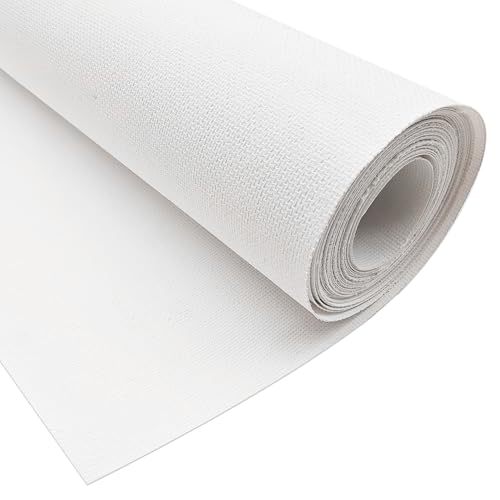
- 15.7-inch-wide, 5.5-yard roll
- 100% cotton with a white primed surface
- Easy to cut for small projects and crafts
Best For: Individual artwork, crafts, and compact classroom displays
Classroom-Friendly Paper Roll – Durable Art Easel Paper
For classrooms seeking canvas rolls for classrooms alternatives, this heavyweight easel paper roll offers a practical surface for drawing, painting, murals, banners, and group art activities. Its 17.75-inch width and 100-foot length suit standard easels and craft tables.
Best For: Classroom art stations, children’s painting, murals, charts, and everyday craft projects.
Pros:
- Heavyweight, tear-resistant paper helps prevent ink bleed-through.
- Works with markers, crayons, pencils, watercolors, and finger paints.
- Acid-free, recyclable, non-toxic, and made in the USA.
Cons:
- This is paper rather than cotton canvas.
- The single 17.75-inch width may limit larger-format projects.
Choose this roll when easy dispensing, child-friendly materials, and broad classroom versatility matter more than a traditional canvas surface.
Ready-to-Use Cotton Surface – VViViD Double Primed Canvas Roll
Among canvas rolls for classrooms, this compact double-primed cotton option is useful when students need a ready-to-paint surface that can be cut to size. Its 12-inch width and 60-inch length work well for smaller studies, crafts, and individual projects.
Best For: Small classroom paintings, printing, drawing, acrylic projects, and cut-to-size crafts.
Pros:
- Double-primed, acid-free surface is ready to use.
- Cotton canvas supports acrylic, oil, and water-based painting.
- Can be trimmed for different student project sizes.
Cons:
- The 12-inch width is relatively narrow for group murals.
- The roll is only 60 inches long.
This is a convenient choice for teachers who want genuine cotton canvas without preparing or priming the material before class.
Heavy-Duty Primed Canvas – PHOENIX 12-Inch Canvas Roll
For classrooms using canvas rolls for classrooms painting lessons, the PHOENIX roll provides a substantial 100% cotton surface with a 12-inch width and 18-foot length. Its triple-gesso-primed, 11-ounce canvas is ready for cutting, stretching, stapling, or wrapping.
Best For: Oil and acrylic lessons, durable student canvases, custom frames, and classroom painting techniques.
Pros:
- Heavy-duty 11-ounce cotton canvas has a textured medium-grain surface.
- Triple gesso priming helps improve color saturation and reduces preparation time.
- Supports oil, acrylic, ink markers, airbrushing, and spray painting.
Cons:
- The 12-inch width is not suited to especially wide artworks.
- It is unstretched, so classroom projects may need additional framing or mounting supplies.
This roll is a strong fit for art rooms that want a more professional painting surface and the flexibility to create custom-sized canvases.
Large Unprimed Fabric Roll – Nasco Fine Arts Cotton Canvas
This wide Nasco roll is a useful option for classrooms comparing canvas rolls for classrooms and wanting a generous fabric surface. It measures 62 inches wide by 6 yards long and uses smooth, 7-ounce double-duck cotton canvas for projects that can be prepared to suit the lesson.
Best For: Large classroom canvases, fabric studies, custom-sized projects, and art instruction requiring an unprimed surface.
Pros:
- Very wide 62-inch format supports large-scale artwork.
- Six-yard length provides substantial material for multiple projects.
- Smooth 7-ounce double-duck cotton fabric is suitable for fine-arts use.
Cons:
- It is unprimed and requires preparation before painting.
- The large roll may be less convenient for small individual assignments.
- Additional supplies may be needed for priming and mounting.
Select this roll when width and customization are priorities and the classroom is equipped to prime or otherwise prepare the cotton canvas before use.
Best Primed Classroom Roll – 24-Inch Cotton Canvas, 20 Feet
For classrooms that need a ready-to-use option, this 24-inch-by-20-foot primed roll offers a practical supply of canvas rolls for classrooms. Its continuous format can be cut for individual projects, group murals, multi-panel work, or demonstrations without requiring pre-treatment.
Best For: Classroom painting activities using acrylic, oil, watercolor, tempera, or gouache.
Pros:
- Primed and ready for painting with multiple common media.
- Can be cut into customized sizes with ordinary scissors.
- Unrolls flat and stores compactly compared with pre-stretched canvases.
- Rigid-core packaging helps protect the canvas during shipping.
Cons:
- At 24 inches wide, it may be less suitable for especially broad murals.
- One 20-foot roll may require careful allocation for large classes.
This is a flexible all-purpose choice when teachers want a primed surface and the freedom to distribute different canvas sizes for varied classroom assignments.
Best Wide Unprimed Roll – U.S. Art Supply 63-Inch Canvas
For instructors planning murals, backdrops, or collaborative work, this 63-inch-wide cotton canvas provides an unusually broad working surface. As one of the more adaptable canvas rolls for classrooms, its unprimed finish lets teachers choose the surface preparation or use it for suitable craft and DIY projects.
Best For: Large-scale class projects, murals, backdrops, and lessons involving canvas preparation.
Pros:
- Wide 63-inch format accommodates large collaborative projects.
- Unprimed 100% cotton duck canvas can be primed or left raw.
- Can be stretched, stapled, tacked, or wrapped for different activities.
- Supports a broad range of wet and dry media after priming.
Cons:
- It is unprimed, so painting may require preparation first.
- The 6-foot length provides less total material than longer rolls.
- Its natural color may not suit projects requiring a white ground.
This roll stands out when width matters more than total length and when a class can benefit from customizing its own painting surface before creating.
Best Long Narrow Roll – Kinlop 12-Inch Double-Primed Canvas
Teachers looking for a long supply of manageable strips may prefer this 12-inch-by-30-foot double-primed roll. It is a space-conscious option among canvas rolls for classrooms, with enough length to cut repeated pieces for individual assignments or smaller painting studies.
Best For: Individual student projects, narrow studies, and classrooms needing many cut-to-size pieces.
Pros:
- Double-primed cotton surface is ready to stretch and paint.
- Thirty feet of length supports repeated classroom projects.
- Can be cut into different shapes and sizes.
- Compatible with oil, acrylic, gouache, and watercolor paints.
Cons:
- The 12-inch width limits broad mural or large-format work.
- The rolled canvas may need light ironing after arrival before stretching.
- Its narrower format may be less versatile for full-size group compositions.
This is a useful classroom roll when teachers value length, easy portioning, and a primed surface for distributing consistent materials across many students.
Natural Classroom Canvas – Cotton Duck Fabric Roll
For classrooms needing versatile canvas rolls for classrooms, this 100% natural cotton duck canvas offers a wide, beige fabric surface for group art, crafts, displays, and practical projects. The 63-inch width and 3-yard length provide 47.25 square feet to cut and adapt as needed.
Best For: Large classroom crafts, fabric projects, backdrops, and general-purpose art activities.
Pros:
- 100% cotton, 7 oz plain-weave canvas
- Wide 63-inch format offers substantial working space
- Can be hand-washed with mild soap and water
- Suitable for arts, crafts, home, and business applications
Cons:
- Beige rather than white, which may affect painted colors
- Hand-wash-only care may be less convenient for heavily used classroom materials
- Sold as a 3-yard cut rather than a longer continuous roll
This is a practical choice when width and natural fabric matter more than a pre-primed painting surface. Teachers can cut it into multiple project pieces, though it may need preparation before painting.
Ready-to-Paint Classroom Canvas – Double-Primed Cotton Canvas Roll
VViViD Double Primed Cotton Canvas 12" Wide Roll Choose Your Size! (10ft x 36" Roll)
Check Price On AmazonThis double-primed cotton canvas is a strong option among canvas rolls for classrooms when students need a ready-to-use surface. The acid-free, acrylic-based priming is designed for durability, while the 36-inch-wide, 10-foot roll can be cut into individual project sizes.
Best For: Painting lessons, drawing activities, printmaking, and shared studio projects using oil, acrylic, or water-based media.
Pros:
- Double-primed acrylic-based surface arrives ready to use
- Acid-free construction is designed to resist yellowing and fading
- Can be cut or trimmed for different student projects
- Works with oil, acrylic, water-based painting, drawing, and printing
Cons:
- At 36 inches wide, it offers less width than the 63-inch cotton fabric option
- Primed white surface may be less suitable for projects requiring untreated fabric
- The supplied listing identifies a 10-foot by 36-inch size, so it offers less total length than some larger rolls
For classrooms focused on painting, the ready-to-use primed surface can reduce setup time and simplify material distribution. Its cuttable format also makes one roll adaptable to different age groups and assignment sizes.
Compact Classroom Canvas – Primed Cotton Craft Roll
For smaller workstations and individual assignments, this 15.7-inch-wide primed cotton roll is a manageable choice among canvas rolls for classrooms. Its 5.5-yard length can be cut into pieces for painting, crafts, backdrops, theme projects, and classroom displays.
Best For: Small art projects, DIY crafts, individual student canvases, theme paintings, and compact backdrops.
Pros:
- 100% cotton construction with a 0.3 mm thickness
- Primed white surface is ready for color application
- 5.5-yard length can be cut and shaped for different projects
- Suitable for oil painting, crafts, backdrops, and home decoration
Cons:
- 15.7-inch width limits large collaborative artwork
- Less suitable for wide murals or oversized classroom backdrops
- The listing describes it as heavyweight but provides a relatively narrow format for large projects
This roll is best when teachers want a longer supply of narrow canvas pieces rather than one broad surface. Its compact width can make cutting and distributing materials easier for individual or small-group activities.
How We Picked the Best Canvas Rolls for Classrooms
We focused on materials that offer useful lengths, workable widths, and flexibility for common school art activities. The selection includes primed canvas for immediate painting, unprimed canvas for teachers who want to prepare surfaces themselves, and a paper roll suited to younger students or low-cost drawing stations.
We also considered whether each roll can be cut into individual canvases, used for murals, or shared across multiple classes. Product dimensions and canvas weight matter because they affect durability, handling, paint absorption, and storage.
Quick Comparison
| Best For | Look For | Why It Matters |
|---|---|---|
| Young students and frequent practice | Paper or lighter canvas | Easy cutting and economical use |
| Painting lessons | Primed cotton canvas | Ready for acrylic or oil-based projects |
| Teacher-led preparation | Unprimed canvas | Allows custom sizing and surface treatment |
| Murals and group work | Wide, long rolls | Creates fewer seams and larger work areas |
Key Buying Factors for Canvas Rolls for Classrooms
Primed Vs. Unprimed Material
Primed canvas is the simplest choice when students need to start painting immediately. It generally provides a sealed, brighter surface and can reduce preparation time. Unprimed canvas absorbs more paint and may require gesso or another preparation step, but it gives instructors greater control and can be useful for demonstrations about surface treatment.
Width, Length, and Cutting Flexibility
Measure the tables, drying racks, and storage areas before ordering. Narrow rolls are convenient for individual projects and easier to distribute, while wide rolls work better for banners, backdrops, and collaborative murals. Longer rolls may lower the cost per project, but only if your classroom can store them without creasing or damage.
Weight and Durability
Heavier canvas usually withstands repeated handling and wet paint better, though it can be harder for younger students to cut. Lighter material is easier to manage and may be sufficient for short-term displays. For high-use classrooms, prioritize a fabric that will not tear easily when students stretch, move, or mount their work.
Paint Compatibility and Cleanup
Confirm that the surface suits the paints used in your curriculum. Acrylics are generally practical for classrooms, while oil painting requires stronger ventilation, longer drying times, and more involved cleanup. Paper rolls can be the better option for drawing, tempera, or messy exploratory activities.
Who Should Buy Which Canvas Rolls for Classrooms?
Choose a paper roll for early grades, large drawing exercises, and projects where affordability and fast replacement matter most. Select primed cotton canvas when students need a ready-to-use surface for finished acrylic or oil paintings. Unprimed rolls are best for art programs with time and supplies for gesso preparation or custom surface experiments.
For murals and shared projects, choose the widest roll that fits your workspace. For individual student canvases, a narrower roll with a generous length is easier to cut and distribute. Before buying, verify the listed dimensions, roll length, priming status, and intended paint compatibility so the material matches your lesson plan.