Choosing the best embroidery machine for custom patches means balancing stitch quality, hoop capacity, speed, ease of digitizing, and room to grow. A compact 4-by-4-inch machine may suit occasional projects, while commercial multi-needle equipment can handle larger designs, multiple thread colors, and steady production.
We’ve gathered ten options spanning beginner, home-business, and commercial use so you can compare the features that matter most before investing.
Best 10 Embroidery Machine for Custom Patches Picks for 2026
Best Commercial Starter

- 10-needle design for multicolor work
- 9.5" x 14.2" embroidery area
- Training, support, and starter supplies included
Best For: Small shops and serious creators making patches, apparel, and hats
Best Wireless Home Option
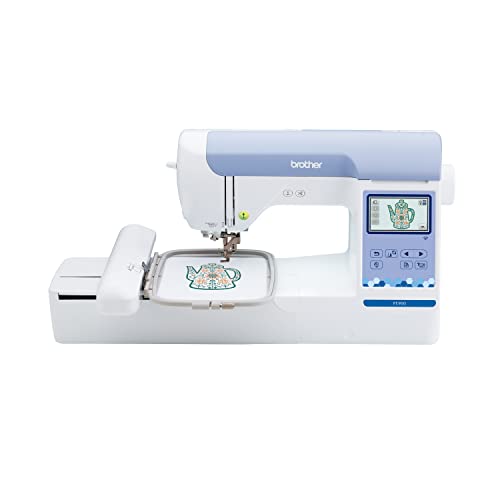
- Wireless design transfer and Artspira app
- 5" x 7" embroidery field
- 193 designs and 13 lettering fonts
Best For: Home users creating medium-sized patches and personalized projects
Best for Growing Shops

- 15 needles for efficient multicolor production
- 20" x 14" embroidery area
- Local support, training, and included software
Best For: Growing shops producing patches, apparel, logos, and hats
Best Compact Budget Pick
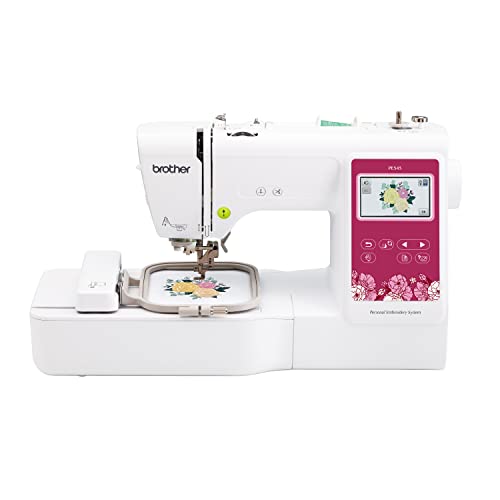
- Compact 14.1-pound home-friendly design
- 4" x 4" hoop for small patches
- Wireless transfer, Artspira, and touchscreen editing
Best For: Beginners making small patches and personalized crafts
Large-Format Choice

- 7.9-by-15-inch maximum embroidery area
- Four hoops and wireless design transfer
- 200 built-in designs with starter supplies
Best For: Larger patches, custom orders, and small embroidery businesses
Free-Arm Specialist

- Tubular free arm for caps and sleeves
- Four compact frames for small items
- Includes cap frame and driver set
Best For: Small wearable items, hats, sleeves, and compact patches
Beginner-Friendly Pick

- 4-by-4 and 4-by-9.25-inch embroidery areas
- 130 designs and eight built-in fonts
- Wi-Fi transfer with starter kit and support
Best For: Beginners making small patches and personalized home projects
Best with Extra Features
FUJA 10-Needle Embroidery Machine

- 10-needle workflow with automatic color changes and trimming
- 9.5 x 14.2-inch area for patches, hats, and apparel
- Includes cap accessories, supplies, stand, and starter tools
Best For: Small businesses upgrading from a single-needle machine
Supplies Included
Poolin EOM 15-Needle Starter Bundle

- 15-needle commercial embroidery machine for small-business work
- Includes 15 thread colors and 144 pre-wound bobbins
- Adds stabilizer and 3D puffy foam for starter projects
Best For: Buyers wanting equipment and essential consumables together
High-Capacity Upgrade
Poolin EOM 15-Needle Commercial Machine

- 15 needles with automatic color change, trimming, and thread-break detection
- 14.2 x 9.5-inch area plus 270-degree cap embroidery
- Includes hoops, cap station, supplies, stand, and tools
Best For: Growing shops producing patches, apparel, and structured or unstructured hats
Best Commercial Starter – Smartstitch S-1001
The Smartstitch S-1001 is a strong embroidery machine for custom patches when you need commercial-style capabilities without moving straight to a large multi-head setup. Its 10 needles, 9.5″ x 14.2″ embroidery area, 1,200 stitches-per-minute maximum speed, and support for flat goods and caps make it versatile for varied custom work.
Best For: Small embroidery businesses, side hustles, and creators producing patches, apparel, hats, bags, and other custom items.
Pros:
- 10 needles help reduce manual thread changes on multicolor designs.
- Large embroidery area supports patches and larger flat projects.
- Includes features such as automatic trimming, color changing, thread-break detection, and laser positioning.
- Starter supplies, manuals, video training, and technical support are included.
Cons:
- At 93 pounds, it requires a dedicated, stable workspace.
- Its commercial controls and setup may take time for beginners to learn.
- It is a corded machine with substantial dimensions for a compact commercial model.
For buyers who want a flexible machine for custom patches plus hats, shirts, leather, and other materials, the S-1001 offers a capable feature set and support ecosystem. Its size and commercial-oriented workflow make it better suited to a serious workspace than casual home use.
Best Wireless Home Option – Brother PE900
The Brother PE900 is a convenient embroidery machine for custom patches if you value wireless file transfer and an approachable home-oriented workflow. Its 5″ x 7″ field accommodates many patch designs, while the Artspira app and WLAN connectivity simplify moving or creating patterns.
Best For: Home embroiderers and hobbyists making medium-sized patches, personalized gifts, lettering, and decorative projects.
Pros:
- Wireless LAN and the Artspira app support convenient design transfer.
- 5″ x 7″ embroidery field is suitable for larger patch designs than a 4″ x 4″ machine.
- 193 built-in designs and 13 lettering fonts provide plenty of starting options.
- Color sorting and jump-stitch trimming can streamline multicolor designs.
Cons:
- It is embroidery-only and cannot function as a traditional sewing machine.
- The 5″ x 7″ field limits designs larger than that area.
- It is intended for US 120-volt use, and other use may affect the warranty.
The PE900 is a practical choice when convenience matters more than commercial production capacity. Its wireless features, built-in designs, and larger home-machine hoop make it well suited to custom patches and personalized projects in a domestic workspace.
Best for Growing Shops – BAI THE MIRROR
The BAI THE MIRROR is a commercial embroidery machine for custom patches designed for users moving toward consistent production. Its 15 needles, 20″ x 14″ embroidery area, 1,200-stitch-per-minute flat speed, and dedicated cap performance support patches alongside shirts, uniforms, logos, and hats.
Best For: Etsy sellers, apparel businesses, and small embroidery shops handling recurring custom orders and multicolor production.
Pros:
- Large 20″ x 14″ area provides substantial room for patches and other flat work.
- 15 needles reduce thread changes for multicolor logos and custom orders.
- Supports up to 1,200 SPM on flat work and 850 SPM on structured caps.
- Includes Institch OS5 guidance, software, local technical support, and training.
Cons:
- At 391 pounds, it demands significant floor space and a sturdy installation area.
- Its commercial capacity may be more than occasional hobby users need.
- The large machine footprint makes relocation difficult.
For a business that needs room to grow, THE MIRROR combines a large work area with high needle count and shop-focused support. It is a substantial investment in space and equipment, but its production-oriented design is well matched to ongoing patch and apparel orders.
Best Compact Budget Pick – Brother PE545
The Brother PE545 is a compact embroidery machine for custom patches suited to smaller designs and beginner-friendly home projects. Its 4″ x 4″ hoop, wireless connectivity, Artspira support, and touchscreen editing provide a straightforward way to create personalized patches and embellishments.
Best For: Beginners and home crafters making small patches, names, motifs, and personalized gifts.
Pros:
- Compact 14.1-pound design is easy to fit into a home workspace.
- Wireless LAN and Artspira support convenient pattern transfer and creation.
- 3.7″ touchscreen offers editing, positioning, previews, and built-in tutorials.
- Includes 135 built-in designs, 10 fonts, and useful starter accessories.
Cons:
- The 4″ x 4″ field limits patch size and larger layouts.
- It is embroidery-only rather than a combination sewing machine.
- It is intended for US 120-volt use, and other use may void the warranty.
The PE545 is a sensible entry point for small patch projects when portability and ease of use are priorities. Choose it for compact designs and occasional crafting; buyers planning larger patches or frequent production should consider a machine with a larger field.
Large-Format Choice – Poolin EOC07
For shoppers seeking an embroidery machine for custom patches, the Poolin EOC07 stands out for its extra-large 7.9-by-15-inch embroidery area. Multiple hoop sizes, wireless transfer, and business-oriented features make it suitable for larger patch designs and repeat custom orders.
Best For: Home businesses, side businesses, and makers producing larger patches, garments, and custom accessories.
Pros:
- Large 7.9-by-15-inch hoop supports bigger designs with fewer rehoops.
- Includes four hoops, including 5.5-by-5.5, 7.9-by-7.9, and 7.9-by-15-inch options.
- Offers Wi-Fi and USB design transfer, a 7-inch touchscreen, and 200 built-in designs.
- Includes starter thread, stabilizers, bobbins, and one-on-one after-sales support.
Cons:
- The larger format may be more machine than occasional hobby users need.
- Custom designs require compatible digitizing software and DST or DSB file export.
The EOC07 is a strong choice when patch size and production flexibility matter. Its broad hoop selection and wireless workflow can help reduce setup interruptions, while the included supplies make it easier to begin testing projects.
Free-Arm Specialist – Brother PRS100
The Brother PRS100 is a specialized embroidery machine for custom patches and other small, hard-to-reach projects. Its tubular free-arm design, compact frames, and included cap frame make it particularly useful for curved or narrow items rather than only flat patch blanks.
Best For: Makers and professionals embroidering caps, sleeves, small shirts, socks, headbands, and compact patch-style designs.
Pros:
- Tubular free arm helps reach caps, sleeves, and small T-shirts.
- Includes four compact frames ranging from 1.25-by-1.75 to 2-by-2 inches.
- Cap frame and driver set are included for hat embroidery.
- Vertical bobbin access and side bobbin winding can streamline operation.
Cons:
- Its listed 8-by-8-inch tubular frame is less suited to very large patch layouts.
- The machine weighs 68.3 pounds, so it is not especially portable.
The PRS100 makes the most sense when access and placement are more important than maximum hoop size. Its free arm and compact frames give it a focused advantage for wearable items and smaller custom work.
Beginner-Friendly Pick – PooLin EOC03
If you are new to embroidery and want an embroidery machine for custom patches, the PooLin EOC03 offers a straightforward starting point. Its 4-by-4 and 4-by-9.25-inch areas cover common home projects, while built-in designs, Wi-Fi transfer, and a starter kit reduce the initial learning curve.
Best For: Beginners making small patches, personalized gifts, T-shirts, tote bags, towels, and baby items at home.
Pros:
- Simple Institch controls are designed for first-time users.
- Two embroidery sizes provide flexibility for compact and elongated designs.
- Includes 130 built-in designs, eight fonts, and Wi-Fi design transfer.
- Starter supplies, tutorials, community access, and one-on-one support are included.
Cons:
- The maximum 4-by-9.25-inch area is more limited than larger-format machines.
- Creating original patterns requires the included software workflow and compatible design files.
The EOC03 is a practical entry point for learning patch embroidery without jumping straight to a larger business machine. It is best suited to smaller projects where easy controls and guided support are more valuable than maximum production capacity.
Best with Extra Features – FUJA 10-Needle Embroidery Machine
For shoppers seeking an embroidery machine for custom patches, hats, shirts, and small-business orders, the FUJA FJ-1001 offers a 10-needle workflow with a 9.5 x 14.2-inch embroidery area. USB or WiFi file transfer, automatic color changes, and included cap and flat-embroidery accessories help simplify the move from single-needle equipment.
Best For: Small businesses and first-time commercial users producing patches, caps, apparel, leather goods, uniforms, and logo orders.
Pros:
- 10 needles, automatic color change, thread trimming, and thread-break detection reduce manual interruptions.
- Supports DST and DSB files through USB or WiFi, with laser positioning for design alignment.
- Includes a stand, cap equipment, hoops, thread, stabilizer, bobbins, and basic tools.
- Offers setup videos, manuals, and online support for getting started.
Cons:
- At 289 pounds, the pallet-shipped machine requires planning and two people for moving.
- The 9.5 x 14.2-inch work area is suited to small and medium projects rather than oversized designs.
The FUJA is a practical upgrade when you want multi-needle convenience without moving into a larger industrial setup. Its included starter supplies and training support are especially useful, but buyers should prepare a dedicated location and carefully follow the freight and setup instructions.
Supplies Included – Poolin EOM 15-Needle Starter Bundle
If you need an embroidery machine for custom patches and want production supplies included, this Poolin EOM starter bundle combines a 15-needle commercial machine with thread, bobbins, stabilizer, and 3D puffy foam. The bundle is positioned for small-business embroidery work involving hats, caps, and daily orders.
Best For: New commercial users who want a multi-needle machine and core consumables in one starter package.
Pros:
- 15 needles help keep multiple thread colors ready for multi-color designs.
- Includes 15 thread colors, 144 pre-wound bobbins, and cut-away stabilizer.
- 3D puffy foam supports raised embroidery effects.
- Designed for hats, caps, and small-business production.
Cons:
- The supplied notes do not specify the machine’s embroidery-area dimensions, speed, or touchscreen details.
- Consumables are useful for starting, but ongoing production will require replenishment.
This package stands out for buyers who value a ready-to-use supply bundle alongside a 15-needle platform. Confirm the machine’s workspace and operating specifications before purchase if your patch designs require a particular hoop size or production speed.
High-Capacity Upgrade – Poolin EOM 15-Needle Commercial Machine
For an embroidery machine for custom patches that also needs to handle apparel, bags, and hats, this Poolin EOM provides 15 needles, a 14.2 x 9.5-inch embroidery area, and automatic color changes and trimming. Its 270-degree cap system and WiFi or USB file transfer make it a versatile option for growing embroidery shops.
Best For: Home studios and small embroidery businesses moving from single-needle work into repeat orders, patches, apparel, and cap embroidery.
Pros:
- 15 needles, thread-break detection, automatic color change, and trimming support more efficient production.
- Handles flat projects up to 14.2 x 9.5 inches and cap embroidery at speeds up to 850 SPM.
- 270-degree cap embroidery supports front, side, and back designs, including 3D puff work.
- Includes multiple hoops, cap equipment, thread, bobbins, stabilizer, stand, and basic tools.
Cons:
- The machine’s commercial size and included stand require suitable workspace.
- The supplied listing notes are truncated near the return-preparation guidance, so buyers should review the complete terms before ordering.
The EOM is the strongest fit here for a growing shop that needs both patch production and broader garment or hat capability. Its extensive accessories reduce initial add-on purchases, while the larger multi-needle and cap workflow is best matched with users prepared for commercial-machine setup.
How We Picked the Best Embroidery Machine for Custom Patches
We evaluated these embroidery machines for custom patches based on the features that most affect patch-making results and workflow. Our comparison considers embroidery area, maximum stitch speed, needle count, hoop flexibility, interface design, wireless or file-transfer capability, built-in designs, free-arm access, and suitability for hats or other finished items.
We also separated entry-level machines from commercial models. A lower-priced single-needle machine can be a smart starting point, but multi-needle systems generally reduce thread changes and make repeated, multicolor patch orders more efficient. Large hoops are useful for oversize patches or batch production, while smaller hoops can provide better value for names, logos, and modest designs.
Quick Comparison
| Best For | What to Prioritize | Most Suitable Type |
|---|---|---|
| Occasional home projects | Simple controls, included hoops, low setup cost | Compact single-needle machine |
| Personalized patches and small orders | Wireless transfer, dependable 4-by-4-inch hoop, useful editing tools | Home embroidery machine |
| Growing side business | More needles, larger field, faster color changes | Multi-needle machine |
| Frequent commercial production | Large embroidery area, high speed, hat capability, service support | Commercial machine |
Key Buying Factors for an Embroidery Machine for Custom Patches
Embroidery Area and Hoop Options
Check the maximum usable field rather than judging by the machine’s exterior size. A 4-by-4-inch hoop works for small emblems, names, and simple badges. Larger hoops provide flexibility for jacket-back patches, oversized logos, or producing several designs with fewer repositioning steps. Multiple included hoops can also reduce accessory costs.
Needle Count and Thread Management
Single-needle machines require manual thread changes when a design uses several colors. That is manageable for occasional work but slower for repeat orders. Ten- and 15-needle machines keep more colors loaded, helping maintain consistency and shortening production time. They also require more space, setup, and maintenance.
Speed, Precision, and Materials
Higher stated stitch-per-minute speeds do not always mean faster finished patches; dense designs, trims, color changes, and fabric stabilization affect real output. Look for adjustable speed control, reliable thread tension, automatic trimming, and support for stabilizers appropriate to twill, felt, denim, or other patch materials.
Design Transfer and Software
Wireless connectivity can simplify transfers from a computer or mobile device, but confirm which file formats and software are supported. Built-in lettering and editing tools are helpful for names and basic layouts. For branded patches, you may still need digitizing software or professional digitizing services to convert artwork into clean stitch files.
Workspace, Support, and Total Cost
Measure the available table or production area before choosing a commercial model. Include hoops, needles, bobbins, stabilizer, thread, software, maintenance, and training in the total budget. Warranty coverage, replacement parts, tutorials, and responsive technical support matter especially when the machine supports paid orders.
Who Should Buy Which Embroidery Machine for Custom Patches?
Choose a Compact Home Model If…
You are learning embroidery, making occasional patches, or primarily working with small logos. Prioritize intuitive controls, wireless file transfer, and a reliable 4-by-4-inch hoop over maximum speed.
Choose a Midrange or Single-Needle Advanced Model If…
You want more design space, free-arm access, or a machine that can support a growing home business. Look for larger hoop options, stronger editing features, and dependable stitching on the materials you use most.
Choose a Multi-Needle Commercial Model If…
You expect regular orders, multicolor designs, hats, or batch production. A 10- or 15-needle system can save substantial setup time, while a larger field and higher throughput provide more room for custom work. Confirm that your workspace, electrical setup, training, and service access can support the investment.