The best sculpting tools for classrooms make clay projects easier to teach, safer to manage, and more engaging for students. A well-chosen kit gives learners multiple ways to cut, shape, texture, carve, and refine their work without requiring a large collection of separate tools.
We selected classroom-suitable sets ranging from compact beginner kits to larger bulk assortments, with attention to tool variety, ease of sharing, durability, and value for group projects.
Best 10 Sculpting Tools for Classrooms Picks for 2026
Versatile Starter Set
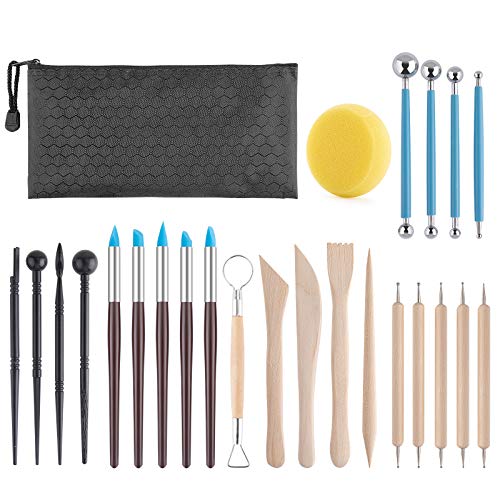
- 25-piece assortment for shaping, carving, and detailing
- Works with several clay and pottery materials
- Includes a zippered storage bag
Best For: Mixed classroom clay projects and home pottery
Classroom Bulk Pick

- 48 tools support group activities
- Three shapes in red, green, and yellow
- Includes a sturdy storage can
Best For: Children’s classroom and art-club modeling sessions
Compact Double-Ended Set
S & E Teacher's Edition Clay Tools
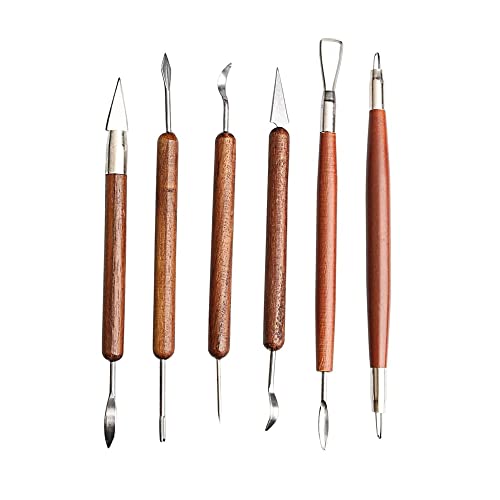
- Six tools offer 12 working shapes
- Smooth wooden handles support comfortable use
- Covers core carving and shaping tasks
Best For: Small groups and focused pottery lessons
Double-Headed Detail Kit
18-Piece Double-Headed Clay Tools

- 18 working ends across nine tools
- Sized for children and adults
- Supports carving, shaping, and finishing
Best For: Mixed-age classroom sculpting and detail work
Best Overall Variety
Leriton 80-Piece Pottery Tool Kit

- 80 tools arranged in 10 sets
- Wood and iron construction
- Covers carving, shaping, and smoothing
Best For: Group pottery and clay classrooms
Best Lightweight Option
Langqun 41-Piece Plastic Clay Tools Set

- 41 tools for carving and shaping
- Lightweight design for kids
- Includes a storage box
Best For: Beginner and children’s clay classes
Best Organized Set
42-Piece Clay Sculpting Tools Kit

- 42 tools for varied clay techniques
- Includes a hand-rolled carry bag
- Stainless steel tips and wood handles
Best For: Portable classroom and studio use
Beginner Basics
14-Piece Plastic Clay Tool Set

- 14 tools for carving, molding, and modeling
- Lightweight plastic design for beginners
- Suitable for polymer, ceramic, and sculptural clay
Best For: Older beginners and introductory clay projects
Studio Variety
29-Piece Clay Sculpting Tool Kit

- 29-piece assortment for varied clay techniques
- Includes styluses, blades, rubber tips, and sponge
- Zipper bag supports classroom storage and transport
Best For: Pottery studios and mixed-skill classroom projects
Group Workshop Pick

- Three 10-tool packs support group activities
- Double-ended tools provide varied shaping options
- Wooden tools suit polymer and ceramic clay
Best For: Classroom groups and shared beginner projects
Versatile Starter Set – Luney 25-Piece Clay Tool Kit
For classrooms seeking sculpting tools for classrooms that support varied projects, this 25-piece Luney kit offers a broad mix of carving, shaping, dotting, smoothing, and cleaning tools. The included storage bag also helps keep the assortment together between lessons.
Best For: Art classes, home pottery, and mixed-media clay projects for beginners or experienced makers.
Pros:
- Includes 25 tools across wooden, silicone, metal, and plastic designs.
- Supports air-dry clay, polymer clay, modeling clay, pottery clay, and ceramics.
- Comes with a black zippered storage bag.
- Useful for developing dexterity and hand-eye coordination.
Cons:
- The large assortment may be more than a simple introductory lesson requires.
- Listed for adults, so younger students may need additional supervision.
This is a flexible all-purpose option when a classroom needs many tool styles in one kit, particularly for lessons that move between shaping, detailing, and finishing.
Classroom Bulk Pick – Jovi 48-Piece Modeling Tools
The Jovi Schoolpack is designed specifically for group use, making it a practical choice among sculpting tools for classrooms. It provides 48 lightweight plastic tools in three colors and shapes, with a storage can for distributing and collecting supplies.
Best For: Group clay activities, elementary art lessons, and school or after-school art clubs.
Pros:
- Includes 48 tools for sharing across a class or club.
- Three tool shapes encourage varied modeling activities.
- Lightweight plastic handles are designed for children to grip and maneuver.
- Sturdy can keeps the set organized after lessons.
Cons:
- The set offers three shapes rather than a broad range of specialized tools.
- Plastic construction may provide less material variety than mixed-material kits.
Choose this set when quantity, simple handling, and quick cleanup matter more than having many detailed carving profiles. Its color-coded bulk format is especially convenient for shared classroom stations.
Compact Double-Ended Set – S & E Teacher's Edition Clay Tools
For instructors who want a compact selection of sculpting tools for classrooms, this six-piece S & E set provides 12 working shapes through its double-ended design. Smooth wooden handles are intended to make extended shaping and carving more comfortable.
Best For: Small-group pottery instruction, beginner practice, and lessons focused on core clay techniques.
Pros:
- Six tools provide 12 functional ends.
- Supports smoothing, cleaning, carving, shaping, and sculpting.
- Wooden handles are smooth and comfortable to hold.
- Suitable for beginners, hobbyists, and professionals.
Cons:
- With only six pieces, it is less suited to large classes without additional sets.
- Does not include a storage case or bag in the supplied details.
This set is a sensible choice for focused instruction or individual student kits. Its double-ended format maximizes useful shapes while keeping the overall footprint small.
Double-Headed Detail Kit – 18-Piece Double-Headed Clay Tools
This 18-piece set is a useful option for sculpting tools for classrooms where students need multiple detailing choices without oversized handles. Its nine double-headed tools provide 18 ends for engraving, shaping, finishing, and removing fingerprints from clay.
Best For: Classroom sculpting projects that combine basic shaping with fine carving and finishing.
Pros:
- Nine tools provide 18 different functional ends.
- Double-headed designs allow quick transitions between techniques.
- Lengths of 16.3 to 17.3 cm suit both children and adults.
- Works with clay, gum paste, pottery, and other DIY crafts.
Cons:
- The supplied details do not mention a storage container.
- A 9-shape assortment may not cover every specialized classroom technique.
Its balanced size range and double-ended construction make this a versatile middle-ground set for shared lessons or individual project kits, especially when detailing and surface cleanup are part of the activity.
Best Overall Variety – Leriton 80-Piece Pottery Tool Kit
For classrooms that need plenty of sculpting tools for classrooms projects, the Leriton kit provides 10 matching sets with eight tools each. Its broad assortment supports carving, shaping, modeling, cutting, scraping, smoothing, and detailing across multiple clay activities.
Best For: Classrooms needing multiple sets for group pottery or clay work.
Pros:
- Includes 80 tools organized as 10 sets of eight.
- Wood and iron construction offers comfortable handles with rigid working ends.
- Supports a wide range of shaping, carving, smoothing, and detail tasks.
Cons:
- The large kit may include more tools than a small class or beginner needs.
- Wood and iron components may require more careful storage than lightweight plastic tools.
With enough matching sets for shared classroom use, this is a practical choice when quantity and task variety matter more than compact storage.
Best Lightweight Option – Langqun 41-Piece Plastic Clay Tools Set
The Langqun set is a lightweight option for classrooms introducing students to clay modeling. It combines carving, dotting, shaping, embossing, and sculpting tools in several sizes, with a plastic storage box for keeping the collection together.
Best For: Kids’ classes and beginners who need easy-to-handle sculpting tools for classrooms projects.
Pros:
- Includes 41 pieces, including scrapers, rubber nibs, dotting pens, carving tools, and shaping tools.
- Light plastic construction is suitable for children who may not have much hand strength.
- Comes with a plastic storage box for organization.
- Sanded wood handles and securely seated metal tips are designed for basic detail work.
Cons:
- The set contains fewer total pieces than the 80-piece alternative.
- Plastic components may be less suited to heavy-duty classroom use than sturdier tools.
This balanced assortment offers accessible basics and useful detail tools without adding much weight, making it a sensible starting set for young learners.
Best Organized Set – 42-Piece Clay Sculpting Tools Kit
For instructors who want a varied kit that is easy to transport, this 42-piece set includes double-sided tools, shaping blades, styluses, rubber-tip tools, and a sponge. The included hand-rolled bag helps students or teachers locate and carry the sculpting tools for classrooms projects.
Best For: Portable classroom, studio, or home clay activities.
Pros:
- Includes tools for cutting, smoothing, shaping, texturing, stippling, and carving.
- Comes with 14 double-sided tools plus blades, ball styluses, rubber tips, and a sponge.
- Hand-rolled bag supports transport and tool organization.
- Stainless steel working ends are corrosion-resistant, with wooden handles for grip comfort.
Cons:
- The 42-piece assortment may provide fewer duplicate tools for large groups.
- The kit is described as containing basic tools, so advanced specialty needs may require additions.
This is a strong fit when portability and an organized assortment are priorities, especially for teachers moving supplies between classrooms, studios, or home.
Beginner Basics – 14-Piece Plastic Clay Tool Set
For classrooms seeking sculpting tools for classrooms, this 14-piece plastic set offers a lightweight starting point for carving, molding, modeling, styling, and embossing clay. Its simple format is geared toward beginners, though the listed age guidance makes it more appropriate for older students or supervised adult instruction.
Best For: Beginner pottery, polymer clay, ceramic clay, and sculptural modeling projects.
Pros:
- Includes 14 tools for carving, molding, and modeling.
- Lightweight plastic construction is easy for beginners to handle.
- Various shapes support lines, textures, styling, and embossing.
- Compact design is practical for individual project kits.
Cons:
- Not suitable for children aged 12 and under, according to the supplied guidance.
- Plastic construction may be less suited to intensive use than metal tools.
- Does not include a carrying case or storage bag in the listed components.
This is a straightforward, low-weight option for introductory clay activities. Choose it for older beginners who need basic shaping and texturing tools rather than a large, specialized classroom assortment.
Studio Variety – 29-Piece Clay Sculpting Tool Kit
When a class needs sculpting tools for classrooms with more technique options, this 29-piece kit provides a broad selection for cutting, carving, shaping, smoothing, trimming, and texturing. The included zipper bag also makes it easier to organize and transport tools between classroom workstations or studio areas.
Best For: Pottery studios, classroom activities, hobbyists, and mixed clay techniques.
Pros:
- 29 pieces include double-sided tools, shaping blades, ball styluses, rubber-tip tools, and a sponge.
- Supports stippling, carving, molding, edging, smoothing, shaping, and texturing.
- Stainless steel tools are described as corrosion-resistant.
- Zipper bag helps with storage, carrying, and tool identification.
Cons:
- The larger assortment may require more storage and setup than a basic kit.
- Some tools may be more specialized than beginners need for simple projects.
- The supplied notes do not specify an age recommendation or child-safety rating.
This kit is the most versatile choice of the three for classes exploring multiple clay techniques. Its varied components and storage bag make it well suited to shared studio use, provided the instructor manages the assortment appropriately.
Group Workshop Pick – 30-Piece Wooden Clay Tool Set
For group activities requiring sculpting tools for classrooms, this 30-piece wooden set supplies three packs of 10 double-ended tools. The repeated pack format can help distribute tools across work areas, while the range of shaped ends supports cutting, carving, shaping, smoothing, and detailed texture work.
Best For: Classroom group activities, beginner modeling, and polymer or ceramic clay projects.
Pros:
- 30 tools are arranged as three 10-tool packs for group use.
- Double-ended construction provides 20 shapes in each 10-tool pack.
- Natural wood material is designed for frequent clay-art use.
- Approximately 6 inches long for a comfortable grip during detailed work.
Cons:
- Wood may require more care than corrosion-resistant metal tools.
- The supplied notes do not mention a storage case or bag.
- The set focuses on double-ended wooden tools and may not include specialized styluses or rubber tips.
This set stands out when several students need similar basic tools at once. Its three-pack arrangement and double-ended design offer useful coverage for shared projects, though instructors may want a separate storage solution.
How We Picked the Best Sculpting Tools for Classrooms
We focused on kits that give students a useful range of functions rather than sets filled with near-identical pieces. The selections include tools for cutting, smoothing, carving, stippling, embossing, shaping, and detailing clay or modeling compounds. We also considered piece count, double-ended designs, storage practicality, and whether a set is better suited to individual students, small groups, or a full classroom.
Because classroom needs vary, this roundup includes both plastic and wooden options, compact beginner assortments, and larger kits designed for shared use. Teachers should still check age guidance, edge construction, and cleaning requirements before distributing tools.
Quick Comparison
| Classroom need | Best type of kit | What to prioritize |
|---|---|---|
| Full-class activities | Bulk multi-piece set | High quantity, varied functions, easy storage |
| Individual student kits | Compact 14- to 30-piece set | Balanced selection and simple organization |
| Beginner lessons | Basic plastic modeling kit | Rounded profiles, intuitive shapes, lightweight construction |
| Detailed clay work | Double-ended or specialty set | Fine tips, carving edges, texture and embossing tools |
| Durability-focused use | Wooden or sturdier mixed-material kit | Comfortable grip and resistance to bending |
Key Buying Factors for Sculpting Tools for Classrooms
Quantity and Sharing
A high piece count is useful when several students work at once, but only if the set contains meaningful variety. For rotating stations, bulk packs can reduce waiting and simplify lesson planning. Smaller sets may be more efficient for personal supply boxes or independent projects.
Tool Variety
Look for a mix of blades or cutters, pointed tools, loop or scoop shapes, flat smoothers, and textured ends. Variety supports more techniques and helps students understand how different tool profiles affect clay.
Safety and Age Suitability
Classroom tools should be easy to hold and supervise. Plastic tools are often a practical choice for younger learners, while wooden or sharper-edged tools may be better reserved for older students with clear handling instructions. Avoid assuming that a tool is safe simply because it is marketed for crafts.
Materials and Cleanup
Choose tools compatible with the materials used in class, including polymer clay, air-dry clay, dough, or modeling compound. Nonporous plastic is generally easy to wipe clean, while wooden tools may require more careful drying and storage.
Storage
Count how the tools will be organized after each lesson. A set that fits in labeled bins, supply drawers, or student pouches can save time and prevent missing pieces.
Who Should Buy Which Sculpting Tools for Classrooms?
Teachers equipping an entire class should prioritize bulk assortments with broad tool coverage. Art instructors running small groups may prefer medium-sized kits that offer more specialized shapes without excessive duplicates. For younger children or introductory lessons, choose lightweight plastic sets with simple, rounded designs. Older students working on textures, reliefs, or polymer clay details will benefit from kits with pointed, double-ended, carving, and embossing tools.
If you are building individual take-home kits, compact sets provide a practical balance of cost and capability. For shared classroom stations, larger assortments are usually the better value—as long as you label storage containers and establish a cleanup routine.