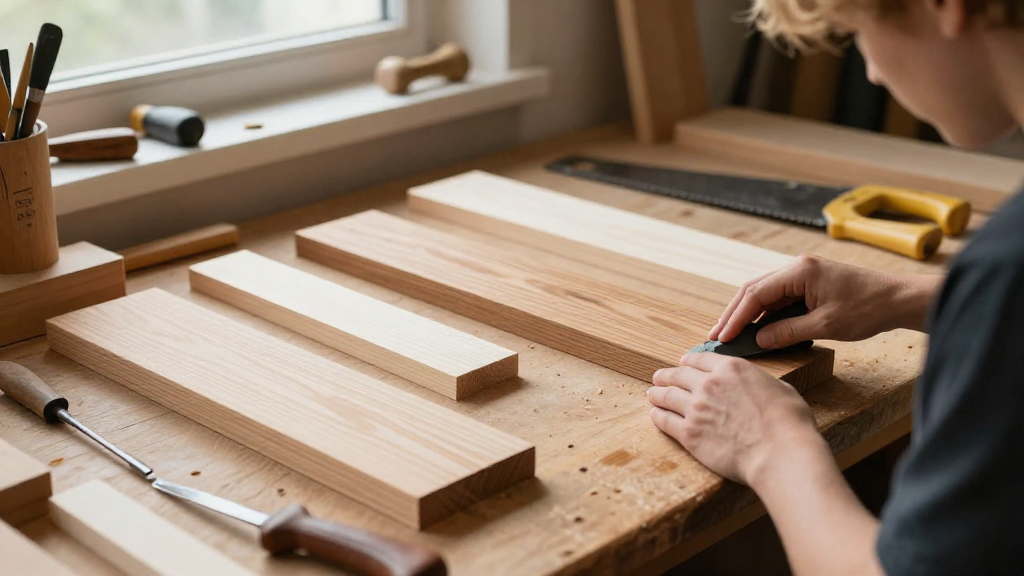
If you are starting out in woodworking, knowing the best wood for beginner woodworking is essential to your success.
Choosing the right materials can make a dramatic difference in the ease of your project and the quality of the finished product. In this article, we’ll explore some fantastic wood types that cater specifically to novices, ensuring your journey into woodworking starts off smoothly.
What is the Best Wood for Beginner Woodworking?
When you’re selecting wood for projects, consider both the workability and the aesthetic qualities. The best wood for beginner woodworking often combines affordability, availability, and ease of use. Below, we’ve compiled a list of wood types that meet these criteria:
1. Pine
Pine is one of the best woods for beginner woodworking for several reasons:
- Availability: It’s readily available at most home improvement stores.
- Cost: Inexpensive, making it budget-friendly for new woodworkers.
- Workability: Easy to cut, shape, and sand.
Pine is also lightweight, which makes handling it easier for beginners. Additionally, it takes paint and stain very well, allowing for a variety of finishing options.
2. Poplar
Another top contender for the best wood for beginner woodworking is poplar. Here’s why:
- Cost-effective: Slightly more expensive than pine but still affordable.
- Stable: Less likely to warp, making it ideal for projects requiring precision.
- Versatile: Accepted for both paint and stain finishes, making it adaptable for various aesthetics.
Poplar’s greenish or brownish hue offers a unique look, and its fine, uniform texture allows for nice sanding and finishing.
3. Birch
Birch is a fantastic option when looking for the best wood for beginner woodworking:
- Workability: Easy to cut and shape with both hand and power tools.
- Sturdy: Offers strength while remaining lightweight, which is ideal for beginners.
- Beautiful Grain: With its pale color and rich grain, it can give a stunning finish to your projects.
Though birch can be slightly more resistant to stain absorption, it holds varnish and lacquer exceptionally well.
4. Cedar
When it comes to outdoor projects, nothing beats cedar:
- Natural Resistance: Cedar is resistant to insects and decay, making it perfect for exterior applications.
- Aroma: Its natural smell can add a pleasant aroma to your workspace.
- Lightweight: Easy to handle and work with, ideal for beginners.
Cedar can also be left untreated for a natural look, or it can be stained to match your design vision.
5. Oak
If you’re feeling adventurous and ready to step up your game, oak might be the best wood for beginner woodworking:
- Strength and Durability: Oak may be harder to work with than softer woods, but it makes strong and long-lasting projects.
- Aesthetic Appeal: The grain of oak is distinctive and can elevate your project visually.
- Resilience: Ideal for furniture-making due to its resistance to wear.
While oak may require a bit more effort, the results are often well worth it.
Which Wood Types Should Be Avoided?
As you venture into woodworking, some wood types are not recommended for newcomers. Here are a few to avoid:
- Hardwoods like Mahogany or Teak: While beautiful, they can be expensive and difficult to work with for beginners.
- Bamboo: Its hardness and density can challenge novice woodworkers, making it less suitable for initial projects.
- Exotic Woods: Many exotic woods may have unique working properties that can be daunting and require specialized tools.
By focusing on softer and more readily available woods, you can ensure a smoother transition into your woodworking journey.
How to Choose the Right Wood for Your Project?
Picking the best wood for beginner woodworking depends on several factors. Here are some questions to consider:
1. What Will You Be Building?
Consider the project demands. Are you making small crafts, furniture, or outdoor items?
2. What is Your Budget?
Cost varies greatly between wood types. Make sure to choose something within your price range to avoid overspending.
3. What Tools Do You Have?
Different woods require different tools for cutting, shaping, and finishing.
4. What is Your Desired Finish?
Think about how you want your final project to look. Some woods take paint better than stain and vice versa.
Where to Buy Wood for Your Projects?
You can find suitable wood at various locations:
- Home improvement stores: Chains like Home Depot and Lowe’s typically carry a wide selection.
- Local lumber yards: These may offer more selection and possibly better prices.
- Online retailers: Websites like Amazon and specialty wood suppliers might offer unique options.
Always check for quality and consistency regardless of where you buy your materials.
Conclusion: Begin Your Woodworking Journey with the Right Wood
In conclusion, selecting the best wood for beginner woodworking is crucial to creating enjoyable and successful projects.
Start with user-friendly woods like pine, poplar, birch, cedar, and oak to build your skills and confidence in woodworking.
With the right materials and techniques, you will find that woodworking is not only a rewarding hobby but also an opportunity for creativity and skill enhancement.
So, what project are you thinking of tackling first? Remember to choose the right wood, plan your project, and have fun in your woodworking adventures! Happy crafting!
Now go on and create something wonderful with your newfound knowledge!