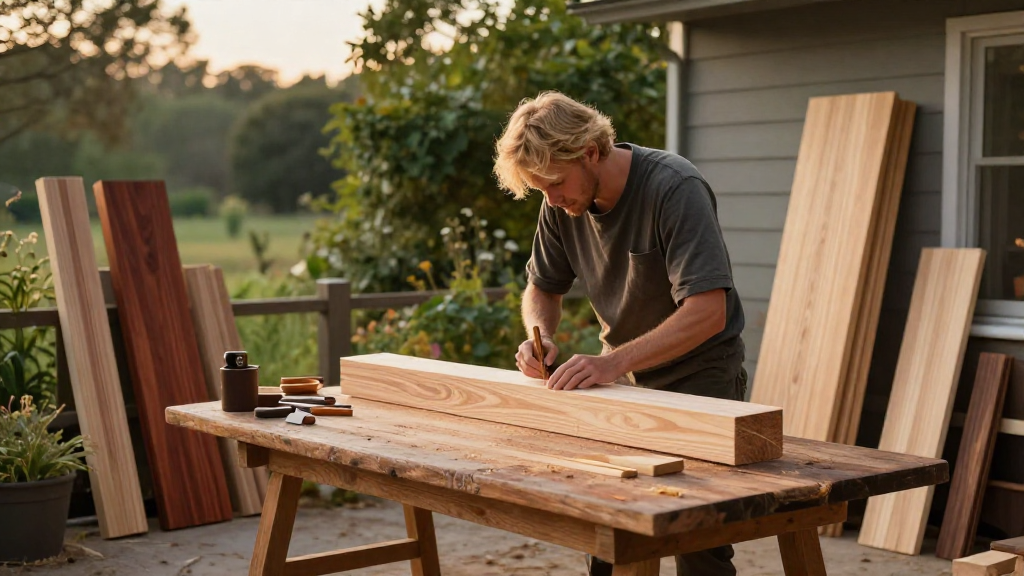
When it comes to outdoor woodworking projects, selecting the best wood for outdoor projects is crucial for ensuring durability and longevity. The environment can be harsh, and the right type of wood can make all the difference. In this article, we will explore various wood types, their benefits, and which ones are ideal for your outdoor endeavors.
What Makes Wood Suitable for Outdoor Projects?
Choosing the best wood for outdoor projects involves considering several factors:
-
Durability: How well does the wood resist weather and decay?
-
Resistance to Insects: Is the wood treated or naturally resistant to pests?
-
Aesthetics: Does the wood’s look complement the overall design of your project?
-
Cost: Are you working within a budget?
These factors will help you determine the most suitable wood species for your specific outdoor project needs.
Which Woods Are the Best for Outdoor Projects?
Here’s a comprehensive list of the best wood for outdoor projects based on the criteria we discussed above:
1. Cedar
Cedar is often considered one of the best choices for outdoor woodworking projects.
-
Natural Resistance: It contains compounds that help it resist moisture, decay, and insect damage.
-
Aesthetic Appeal: Its rich color and aromatic scent make it an aesthetically pleasing option.
-
Lightweight: Cedar is easy to work with and can be easily cut, drilled, and shaped.
2. Redwood
Another excellent choice is redwood.
-
Weather-Resistant: Redwood has natural weather-resistant properties, making it ideal for decking and fence projects.
-
Stability: It does not warp easily, maintaining its shape over time.
-
Beautiful Grain: The grain pattern is striking, adding visual interest to any outdoor furniture or structure.
3. Pressure-Treated Pine
Pressure-treated pine is a popular choice for those on a budget.
-
Affordability: Usually less expensive than other types of wood, making it accessible for large projects.
-
Chemical Treatment: This treatment makes the wood resistant to insects and rot, although it may require a protective finish to enhance longevity.
-
Versatile Use: Great for decks, furniture, and other outdoor fixtures.
4. Teak
If you are looking for premium wood, you can’t go wrong with teak.
-
Natural Oils: Teak contains natural oils that repel water and resist decay.
-
Durability: Known for its longevity, teak can last years without losing its beauty.
-
Low Maintenance: Requires minimal upkeep once properly sealed.
5. Ipe
Ipe is a highly durable hardwood ideal for outdoor use.
-
Dense and Durable: Ipe is one of the hardest woods available, making it resistant to scratches, insects, and decay.
-
Color Variety: While it typically features a rich brown color, it can also come in dark chocolate hues.
-
Longevity: Can last up to 50 years if properly maintained.
6. Mahogany
Mahogany is another excellent candidate but comes with a higher price tag.
-
Rich Color: Its deep reddish-brown color is stunning and becomes even more attractive as it ages.
-
Natural Resistance: Like teak, mahogany has natural oils that help it resist degradation.
-
Workability: Easily shaped and finished, making it great for intricate designs.
What Factors Influence the Choice of Wood?
When choosing the best wood for outdoor projects, consider the following factors:
-
Climate: The region’s climate plays a significant role in wood selection. Humid areas may require more rot-resistant woods.
-
Location: If the wood will be in contact with the ground, such as fence posts or decking, opt for more durable options.
-
Project Type: Different projects, such as furniture or structure, require different types of wood and finishes.
How to Maintain Outdoor Wood?
To ensure the longevity of your wooden outdoor projects, appropriate maintenance is crucial. Here are some tips:
-
Sealing: Always apply a sealer or protective finish to protect against moisture.
-
Regular Cleaning: Clean your wooden surfaces regularly to prevent mold and mildew buildup.
-
Inspect for Damage: Regularly check for any signs of wear or pest damage and address it promptly.
What About Sustainability?
Selecting the best wood for outdoor projects also involves considering sustainability.
-
Harvesting Practices: Look for woods certified by organizations like the Forest Stewardship Council (FSC), which ensure sustainable harvesting practices.
-
Reclaimed Wood: Consider using reclaimed wood, which reduces waste and has its historical charm.
Conclusion: Finding Your Ideal Wood
Choosing the best wood for outdoor projects involves evaluating your needs, budget, and design preferences.
Natural options like cedar and redwood are excellent for their durability and aesthetic appeal, while pressure-treated pine can provide a more budget-friendly alternative.
Premium woods like teak and Ipe offer longevity and stunning looks but come at a higher price.
Whichever wood you choose, proper maintenance will ensure your outdoor projects remain beautiful and durable for years to come.
By considering all these factors and options, you can make an informed decision that results in beautiful and long-lasting outdoor woodworking projects. Happy woodworking!