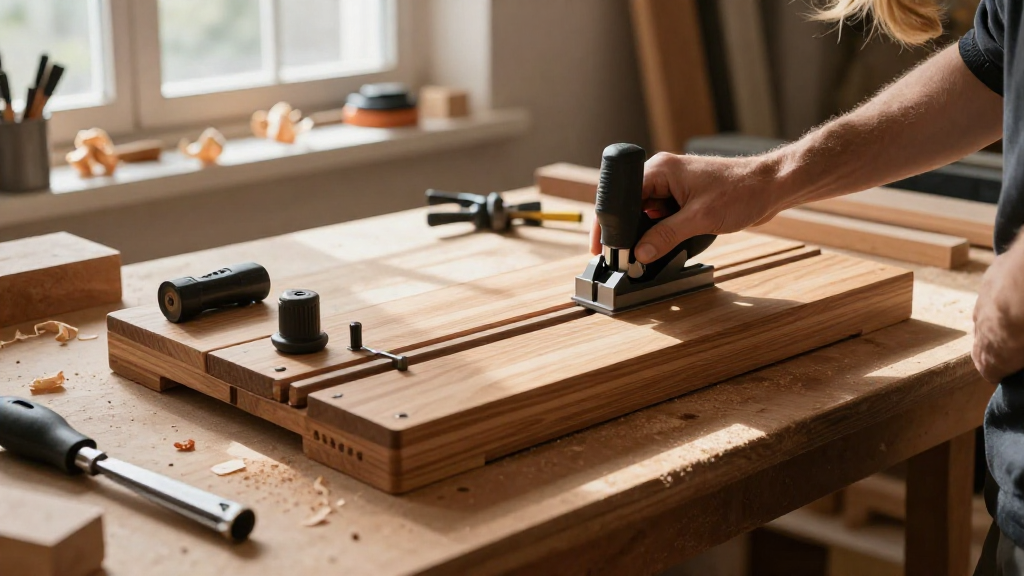
Are you wondering how to build a router table that meets your precise woodworking needs? Building a router table can be a rewarding DIY project, enhancing your woodworking capabilities while allowing you to customize it based on your unique projects.
What Is a Router Table and Why Do You Need One?
A router table is a woodworking apparatus that holds a router in a fixed position. This setup allows for enhanced precision when shaping, edge routing, or hollowing out wood.
Here are some key benefits of using a router table:
- Improved accuracy: By securing the wood and controlling the router’s depth, you’ll achieve cleaner cuts.
- Versatility: A router table can accommodate various bits and techniques, broadening your woodworking possibilities.
- Safety: Working with a router mounted to a table decreases the risk of injury compared to handheld routing.
Understanding these benefits can help you appreciate why knowing how to build a router table is essential for any serious woodworker.
How to Build a Router Table: What Materials Do You Need?
Once you’ve acknowledged the necessity of a router table, it’s time to gather the materials. Here’s a list of items you’ll likely need:
- Plywood or MDF: Use this as the top for the table for stability.
- Router: Ensure it’s compatible with the table design.
- Legs and Frame: 2x4s or similar lumber will work well.
- Mounting Plates: These can be purchased or made to hold the router securely in place.
- Fences: Providing a guide for your wood, fences improve accuracy.
- Hardware: Screws, bolts, and brackets for assembly.
When considering how to build a router table, selecting quality materials is crucial for durability and precision.
Step-by-Step Guide to Building Your Router Table
Step 1: Measure and Cut Materials
Begin by measuring your workspace to determine the ideal size for your router table.
Use plywood or MDF to create a flat top surface that is ideally 24” x 32” or larger.
- Cut your top surface according to your dimensions.
- Cut the 2x4s for the legs and frame, ensuring they can bear the weight.
Step 2: Assemble the Frame
Next, construct a sturdy frame to support your router table.
- Lay the 2x4s on the ground to form a rectangle.
- Fasten corners with screws or brackets for added strength.
Using wood glue in addition to screws adds a layer of stability to the frame.
Step 3: Attach the Legs
Attach legs at each corner of the frame using screws.
Ensure these legs are sturdy and can support the weight of the router and additional materials.
Consider adding diagonal supports to reduce wobbling.
Step 4: Create the Top Surface
Now, you need to attach your top surface to the frame.
- Center the plywood or MDF board on the frame.
- Secure with screws to prevent any movement during use.
Step 5: Install the Router
Mount the router beneath the top surface using a mounting plate.
- Ensure the router is secure and at the desired height.
- Test the router’s functionality before moving on.
Step 6: Build the Fence
A fence is crucial for guiding your materials through the router.
- Create a simple fence from the remaining plywood, ensuring it aligns with the router bit.
- Attach the fence to the top surface in such a way that it can be adjusted for different widths.
Step 7: Finishing Touches
Finally, ensure all components are securely fastened:
- Check for stability by applying pressure to different areas.
- Sand your router table for a smooth finish, preventing any splinters.
What Are Some Tips for Using Your Router Table Safely?
Once you’ve successfully learned how to build a router table, ensuring safety during its use is imperative. Here are some safety tips to keep in mind:
- Wear Protective Gear: Always use safety glasses and ear protection.
- Stay Focused: Concentrate on your material and ensure your hands are clear from the router bit.
- Adjust the Speed: Different bits may require unique speeds for optimal cutting.
- Avoid Freehand Routing: Always use the fence for added guidance.
How to Maintain Your Router Table for Longevity?
After learning how to build a router table, maintenance is essential for ensuring its longevity and continued performance. Here are some tips:
- Clean Regularly: Wood shavings and dust can accumulate, impacting performance.
- Check Tightness of Screws: Regularly inspect and tighten screws and brackets to prevent any looseness.
- Inspect Router Bits: Ensure bits are sharp and free of damage before each use.
Conclusion: Maximize Your Woodworking Potential
Now that you know how to build a router table, you’re ready to take your woodworking skills to a new level.
A well-built router table allows for precise cuttings and enhances your ability to complete a variety of projects.
From crafting cabinets to creating intricate designs, this tool will become an essential part of your workshop.
Embrace the challenge and reap the rewards of enhanced accuracy and versatility.
By investing time into building the router table, you’ll pave the way for a fruitful and creative woodworking journey.
Ready to Get Started?
Get your materials, follow the steps, and make your very own router table. The world of woodworking awaits!