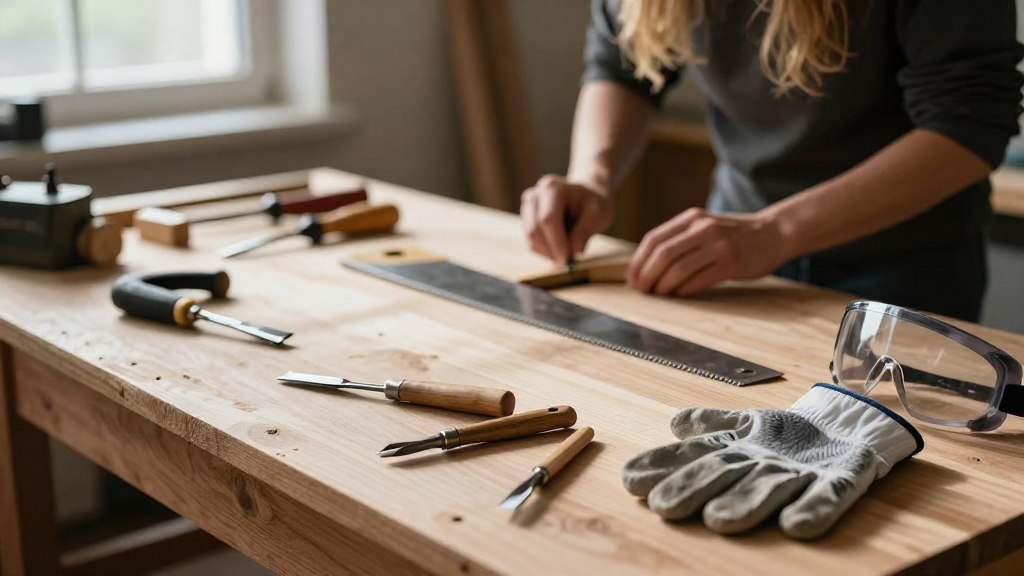
When it comes to woodworking, understanding how to handle sharp tools safely is essential for both efficiency and injury prevention.
Why Is Safety Important When Using Sharp Tools?
Handling sharp tools in woodworking presents both opportunities and risks. The precision and enjoyment of working with various materials can be offset by potential dangers. This is why it is crucial to prioritize safety while navigating through your projects.
Are You Prepared for the Task?
Preparation is key in ensuring your safety when working with sharp tools. Consider the following tips before you even pick up a tool:
-
Wear Personal Protective Equipment (PPE): Always don gloves and safety goggles to protect your hands and eyes from accidental cuts or flying debris.
-
Organize Your Workspace: A clean and clutter-free environment minimizes distractions and reduces the likelihood of accidents.
-
Inspect Your Tools: Before starting any project, inspect your tools for damage or wear. A tool in disrepair is more likely to cause injury.
-
Read User Manuals: Familiarize yourself with the safety instructions and guidelines provided by manufacturers.
How Can You Use Sharp Tools Safely?
Understanding how to handle sharp tools safely during use is critical for successful woodworking. Here are several effective strategies:
-
Use the Right Tool for the Job: Always select the proper tool for the task at hand. Using the wrong tool can lead to accidents.
-
Keep Your Tools Sharp: Surprisingly, sharp tools are safer. A dull blade requires more force, increasing the chance of slipping and causing injury.
-
Maintain a Firm Grip: Always hold tools firmly to maintain control, especially when cutting or chiseling.
-
Maintain Focus: Stay alert and avoid distractions during your work. If you’re fatigued, take breaks frequently to keep your concentration sharp.
-
Cut Away from Your Body: When using knives or saws, always cut away from yourself to minimize the risk of injury.
Should You Use Jigs and Holders?
Using jigs and holders can significantly reduce the risks associated with handling sharp tools. Consider these options:
- Workpieces Holders: Devices that hold your material in place can help prevent slips.
- Router Jigs: Jigs designed for routers can guide cuts, making the task safer and more precise.
- Saw Horses: These can stabilize your workpiece, especially when making cuts.
What Are the Best Practices During Cleanup?
After completing your woodworking project, it’s important to think about cleanup for safety:
-
Store Tools Properly: Ensure that sharp tools are stored safely, such as in designated drawers or toolboxes with blade guards.
-
Clean Your Work Area: Remove any sawdust or debris, which could cause slipping or tripping hazards.
-
Report Any Injuries: Even minor cuts should be treated immediately to avoid infection, and more serious injuries may require medical attention.
How Can You Teach Safety to Others?
If you share your workspace or teach others, instilling safety routines is vital:
- Lead by Example: Always demonstrate the correct safety practices when using sharp tools.
- Conduct Safety Workshops: Offer sessions on proper tool handling to ensure everyone learns how to handle sharp tools safely.
- Create a Safety Manual: Compile a manual or checklist that outlines safety protocols for your workshop.
What Should You Do in Case of an Accident?
Even with the best precautions, accidents can happen. Here’s how to handle them effectively:
-
Stay Calm: Panic can exacerbate an injury, so take deep breaths.
-
Assess the Injury: Determine the severity of the cut or injury. Minor cuts can often be treated at home, while more severe injuries may require medical attention.
-
Use First Aid: For minor cuts, clean the wound, apply an antiseptic, and cover it with a bandage.
-
Seek Professional Help: For more serious injuries, such as deep cuts or injuries to fingers, seek medical assistance immediately.
Conclusion: What Have You Learned About Safe Tool Use?
In woodworking, understanding how to handle sharp tools safely cannot be overstated. The combination of preparation, proper technique, and awareness of safety protocols ensures not only a productive woodworking experience but a secure one as well.
By implementing the tips mentioned in this article, such as using personal protective equipment, prioritizing workspace cleanliness, and teaching others about safety, you can foster a culture of safety around sharp tools. The art of woodworking is exciting and rewarding, and learning the right techniques keeps the process enjoyable for everyone involved.
Remember, safety first ensures creativity second! So gear up, prep your workspace, and craft with confidence!