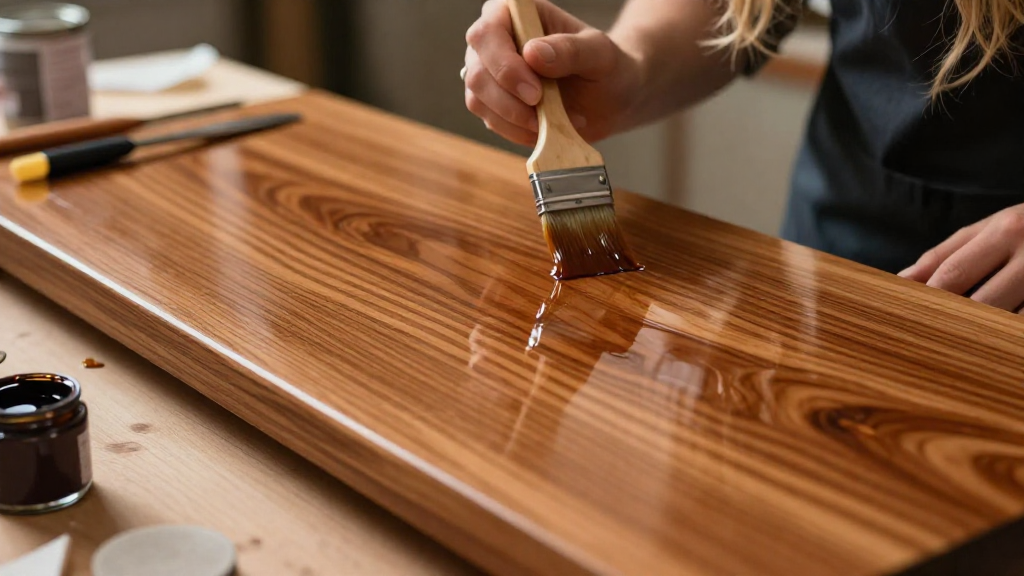
If you’re wondering how to lacquer wood, you’ve come to the right place.
Lacquering wood is a technique that not only enhances the beauty of the wood but also protects it from damage. In this article, we’ll guide you through the process step-by-step and share some expert tips to ensure you achieve a professional finish.
What is Wood Lacquer?
Before diving into the process of how to lacquer wood, let’s understand what wood lacquer actually is.
Wood lacquer is a fast-drying finish made from a mixture of solvents and resins.
It serves two main purposes:
1. Protection: It shields wood from scratches, stains, and moisture.
2. Aesthetics: It adds a glossy finish that brings out the natural beauty of the wood grain.
Understanding these two primary functions will help you appreciate the importance of proper lacquer application.
How Do You Prepare Wood for Lacquering?
Preparing the wood surface is a crucial step in how to lacquer wood successfully.
-
Choose the Right Wood:
– Opt for a clean and smooth surface.
– Ensure the wood is free from dust, grease, and previous finishes. -
Sanding:
– Start with coarse sandpaper (about 100-grit) to remove imperfections.
– Progress to finer sandpapers (180-grit and 220-grit) for a smooth finish.
– Always sand in the direction of the grain. -
Cleaning the Surface:
– After sanding, wipe the surface clean with a damp cloth to remove dust particles.
– Let the wood dry completely before applying lacquer. -
Sealing (Optional):
– For certain woods like pine, consider applying a wood sealer to prevent uneven absorption of lacquer.
What Tools Do You Need to Lacquer Wood?
To effectively learn how to lacquer wood, gather the right tools and materials beforehand. Here’s a concise list:
- Lacquer: Choose between spray lacquer and brush-on lacquer based on your project needs.
- Brushes or Sprayer: Use high-quality brushes for brush-on applications or a spray gun for a smoother finish.
- Sandpaper: Various grits from 100 to 400.
- Lint-Free Cloths: Essential for cleaning and wiping.
- Masking Tape: To protect areas you don’t want lacquered.
- Personal Protective Equipment (PPE): Gloves, goggles, and a mask to ensure safety during the process.
How Do You Apply Lacquer to Wood?
Now that you have your tools ready, let’s discuss the process of how to lacquer wood effectively.
-
Choose Your Environment:
– Work in a well-ventilated area.
– Ensure the temperature is adequate (ideally between 60°F and 80°F). -
Test the Lacquer:
– Before applying to the entire piece, test the lacquer on a scrap piece of wood to see how it reacts and dries. -
Applying Lacquer:
– If using a brush, dip it lightly into the lacquer and apply in long, even strokes.
– For spray lacquer, hold the sprayer about 12 inches away and apply in a sweeping motion. -
First Coat:
– Apply a thin, even coat and avoid over-saturating the wood.
– Allow the first coat to dry according to the manufacturer’s instructions. -
Sanding between Coats:
– After the first coat dries, lightly sand the surface with fine-grit sandpaper (around 320-grit).
– This will help with adhesion for subsequent coats and create a smoother finish. -
Additional Coats:
– Repeat the application and sanding process.
– Generally, 2-4 coats are recommended for a durable finish.
How Long Does Lacquer Take to Dry?
One of the most frequently asked questions regarding how to lacquer wood is about drying times.
- Touch Dry: Typically, lacquer can be touch dry within 30 minutes to an hour.
- Handle Dry: It’s usually safe to handle after about 2-4 hours.
- Full Cure: For thorough curing, it can take up to a week, depending on environmental factors.
Always check the manufacturer’s instructions for specific drying times.
What Are the Best Tips for a Professional Finish?
Achieving a flawless lacquer finish takes practice, but these expert tips can help you along the way:
-
Dust Control:
– Dust can ruin a lacquer finish.
– Keep the area clean and free from dust particles. -
Temperature and Humidity:
– Ideal conditions are crucial for the lacquer to flow and dry properly.
– Avoid lacquering in high humidity or extremely cold conditions. -
Uniform Coats:
– Always apply lacquer in thin, uniform coats.
– Thick coats may run or bubble. -
Stay Consistent:
– Keep your application technique consistent throughout to avoid patchiness. -
Final Sanding and Polishing:
– After the last coat has cured, consider a final light sanding (using 400-grit) followed by a rubbing compound for extra shine.
How Do You Clean Up After Lacquering?
Cleaning up after your lacquering project is equally important to ensure your workspace and tools are ready for future use.
-
Tools:
– Clean brushes and sprayers with the appropriate solvent (usually lacquer thinner). -
Workspace:
– Dispose of any used rags safely to prevent spontaneous combustion.
– Wipe down surfaces where lacquer may have dripped or splattered. -
Store Leftover Lacquer:
– Seal leftover lacquer tightly in its original container, storing it in a cool, dry place.
Conclusion
Now that you know how to lacquer wood like a pro, it’s time to get started on your next woodworking project!
Remember to prepare your wood properly, use the right tools, and apply the lacquer in a controlled environment. With patience and practice, you’ll achieve a stunning finish that showcases the beauty of the wood while providing the necessary protection.
Whether you’re working on furniture, cabinets, or decorative pieces, take pride in your work and enjoy the satisfaction that comes with a job well done. Happy lacquering!