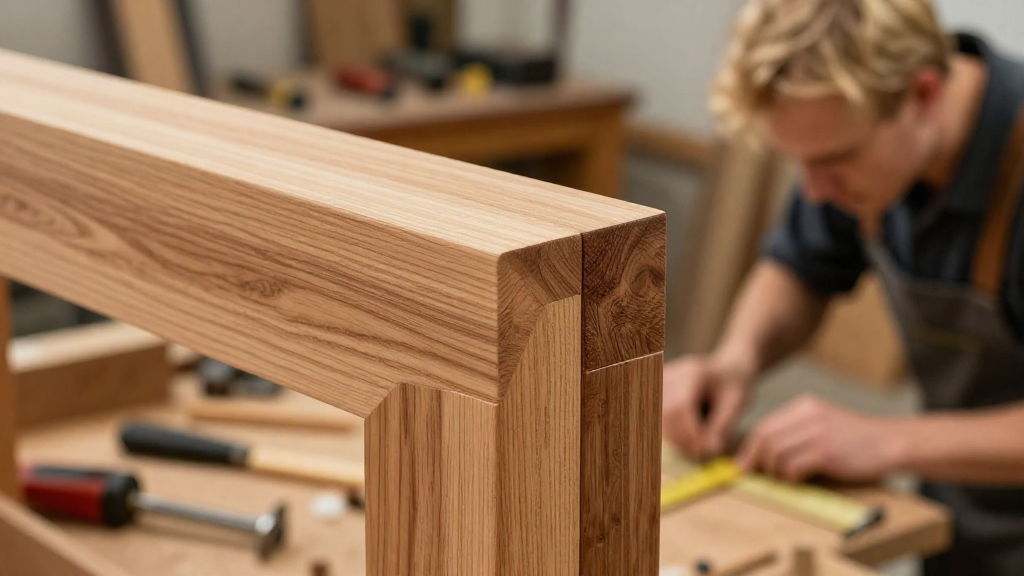
If you’re exploring how to make strong butt joints in woodworking, you’ve landed in the right place.
Creating robust and durable joints is essential for ensuring that your woodworking projects stand the test of time. In this article, we’ll cover the fundamentals of butt joints, the tools you’ll need, techniques to strengthen them, and tips for achieving overall success in your woodworking endeavors.
What Exactly Are Butt Joints?
Butt joints are one of the simplest types of joints in woodworking.
Definition:
A butt joint occurs when two pieces of wood are joined end-to-end or edge-to-edge, creating a simple yet essential connection.
Common Uses:
You’ll often find butt joints in the following applications:
- Frames
- Cabinetry
- Furniture
- Shelving
How Do You Prepare for Strong Butt Joints?
Preparation is key when learning how to make strong butt joints.
Here’s how to prepare effectively:
-
Choose Quality Materials:
Always select straight and dry lumber. Consider hardwood or softwood depending on your project. -
Accurate Measurements:
Be meticulous in measuring the lengths of the wood pieces you intend to join.
Use a tape measure and ensure that both pieces are of the same thickness. -
Tool Selection:
Gather your tools, which may include:
– Circular Saw or Table Saw
– Clamps
– Wood Glue
– Sandpaper -
Cutting the Wood:
Make your cuts clean and square.
Use a miter saw or a table saw for the best precision.
Which Techniques Help Strengthen Butt Joints?
Now that you understand the preparation process, let’s dive deeper into the actual techniques for how to make strong butt joints.
1. Use High-Quality Wood Glue
Why Use Glue?
It’s crucial for creating bonds that resist separation.
Application Tips:
– Apply a thin layer of glue to both surfaces.
– Avoid excessive glue that can squeeze out and create a mess.
2. Incorporate Reinforcements
Even a well-made butt joint may require reinforcements for added strength.
Consider these options:
-
Dowels:
Create holes for dowels that will fit snugly, providing alignment and support. -
Biscuits:
Biscuit joinery involves a small, oval-shaped piece of wood that fits into both pieces, offering a larger surface area for bonds. -
Wood Screws:
Adding screws can greatly enhance the strength of butt joints.
Pre-drill holes to avoid splitting the wood.
3. Clamping for Success
Proper clamping is fundamental when learning how to make strong butt joints.
Clamping Tips:
– Use parallel jaw clamps or bar clamps for even pressure.
– Keep the clamps perpendicular to the joint and apply even pressure.
– Leave the clamps on for the time specified by the glue manufacturer, usually 1-2 hours, to allow for a complete cure.
4. Sand for a Perfect Finish
Sanding the joints not only prepares the surface for finishing but also helps in achieving a stronger bond.
Sanding Steps:
– Start with a rough grit (e.g., 80-grit) and progress to a finer grit (e.g., 220-grit).
– Remove all dust before applying any finishes or coatings.
How to Finish Your Butt Joints?
Finishing touches can transform your butt joints from merely functional to visually appealing.
1. Select the Right Finish
Choose a finish that matches the type of wood used and complements your project:
- Varnish
- Lacquer
- Stains
2. Apply the Finish Evenly
Ensure that you apply your chosen finish evenly across the surface for a professional look. Follow these steps:
- Use a clean brush or cloth to apply the finish.
- Wait for each coat to dry fully before applying the next one, sand lightly between coats if necessary.
3. Inspect the Final Product
After the final coats dry, carefully inspect your joints for any imperfections. Address these areas by sanding or applying additional finishes where necessary.
What Common Mistakes Should You Avoid?
When learning how to make strong butt joints, it’s essential to avoid common pitfalls. Here are a few:
-
Poor Alignments:
Misaligned pieces can lead to weakness. Always check alignment before securing joints. -
Underestimating Glue:
Using too little glue can result in weak joints. Apply enough glue for a full bond but avoid excessive amounts. -
Skipping Clamps:
Failing to clamp properly can lead to poor connections. Always use clamps as recommended. -
Rushing the Process:
Take your time. Rushed work often leads to mistakes that can compromise your project.
Conclusion
In summary, understanding how to make strong butt joints in woodworking is not only fundamental but also incredibly rewarding.
From careful preparation and utilizing relevant techniques to ensuring the right finish and avoiding mistakes, every step plays a pivotal role in enhancing the quality of your joints.
By following the outlined methods and being mindful of common mistakes, you can elevate your woodworking projects, achieving sturdy and visually appealing results.
Now that you have the knowledge, roll up your sleeves, gather your materials, and start crafting those butt joints! Happy woodworking!