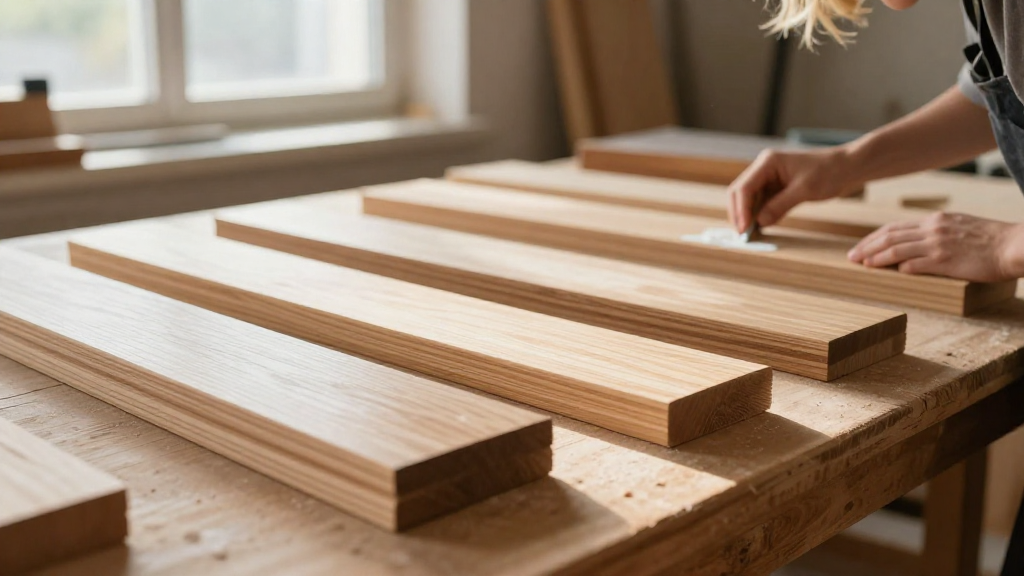
Wood is a beautiful, versatile material used in everything from furniture to flooring.
However, one of the significant issues that woodworkers, builders, and homeowners face is wood warping.
Knowing how to prevent wood warping is essential for ensuring the longevity and stability of your wooden items.
What Causes Wood to Warp?
Before you learn how to prevent wood warping, it’s crucial to understand what causes it.
Wood is a natural material that reacts to changes in temperature and humidity.
This means that it can expand or contract depending on its environment.
Here are some common causes of wood warping:
- Humidity fluctuations: Wood absorbs moisture from the air. High humidity can cause wood to swell, while dry conditions can lead to shrinking.
- Temperature changes: Extreme heat can cause wood to dry out, leading to cracks and warps.
- Improper storage: Storing wood in a damp or excessively dry environment can increase the risk of warping.
- Inconsistent moisture content: When wood is cut from a tree, it contains a significant moisture content. If this moisture isn’t evened out, it can lead to warping as it dries.
By understanding these factors, you can take proactive steps to prevent wood from warping over time.
How to Properly Store Wood
One of the best strategies in how to prevent wood warping involves proper storage.
Here are some guidelines for effectively storing wood:
- Keep it dry: Store wood in a climate-controlled environment, away from direct moisture sources like water pipes or damp basements.
- Use proper stacking methods: Stack wood on a flat surface that allows air circulation. Avoid stacking it directly on the ground. Use wood pallets or spacers to regulate moisture levels.
- Cover with a breathable tarp: If you must store wood outside, cover it with a breathable tarp. This will protect it from direct rain while allowing some air circulation.
- Inspect regularly: Periodically check your stored wood for any signs of warping or moisture-related damage.
Which Treatments Can Help?
In addition to proper storage techniques, various treatments can help in how to prevent wood warping.
Consider the following options:
- Sealers and varnishes: Applying a protective finish can create a barrier against moisture and reduce the chances of warping.
- Wood oils: Oils can penetrate deep into the wood fibers, providing moisture resistance as well as enhancing aesthetics.
- Pre-treating wood: When using new wood in your projects, consider pre-treating it with additives designed to enhance moisture resistance.
How to Control Indoor Humidity
Maintaining stable indoor humidity is crucial in how to prevent wood warping.
Here are some effective tips to control indoor humidity:
- Use a dehumidifier: If your area experiences high humidity, a dehumidifier can help reduce moisture in the air.
- Air conditioning: Running your A/C not only cools your home but also removes excess moisture.
- Ventilation: Allow for proper airflow by using exhaust fans in areas like kitchens and bathrooms.
- Indoor plants: While they can add beauty to your home, be mindful that certain plants may contribute to indoor humidity.
What Precautions Should You Take During Installation?
When installing wooden elements, whether it’s flooring, cabinetry, or furniture, consider these precautions to ensure you’re taking steps toward how to prevent wood warping:
- Acclimate the wood: Before installation, allow your wood materials to acclimate to the room where they will be placed. This helps regulate moisture content and temperature, minimizing warping risks.
- Leave expansion gaps: During installation, leave small gaps between wood planks or panels to allow for expansion and contraction.
- Use proper adhesives: Choose moisture-resistant adhesives for added stability, especially in areas prone to humidity.
When Should You Consider Engineered Wood?
If you’re seeking alternatives, consider using engineered wood.
Engineered wood products are constructed with layers of wood veneer pressed together, providing additional stability.
Because engineered wood is designed to resist warping and bending, it may be a better option in environments prone to moisture fluctuation.
What Maintenance Should Be Done?
Regular maintenance can help you in how to prevent wood warping over time.
Here’s a quick maintenance checklist you can follow:
- Regular cleaning: Dust and clean your wooden surfaces regularly to avoid moisture build-up.
- Immediate repair: Address any signs of damage promptly to prevent small issues from becoming larger problems.
- Seasonal checks: Look for signs of warping or changing conditions with the seasons, adjusting your humidity control methods as necessary.
How Does Seasonality Affect Wood?
Understanding the impact of different seasons is an essential part of how to prevent wood warping.
Here’s a seasonal breakdown of how wood reacts:
- Spring: As temperatures and humidity rise, wood may expand. Monitor indoor humidity levels closely.
- Summer: High humidity can exacerbate wood warping. Utilize air conditioning or dehumidifiers.
- Fall: Cooler temperatures can lead to drying out. Maintain appropriate humidity levels and check for cracks.
- Winter: Heated indoor environments often lead to lower humidity. Consider using humidifiers to maintain balance.
Conclusion
Understanding how to prevent wood warping is fundamentally about managing the environment and taking the necessary precautions.
By properly storing, treating, and maintaining your wood, you can significantly reduce the likelihood of warping.
Implement these techniques and maintain awareness of factors affecting wood.
With diligence, you can ensure that your wooden structures and belongings remain beautiful and functional for years to come.
Take action today to protect your wood and enjoy its beauty in your home without the worry of warping!