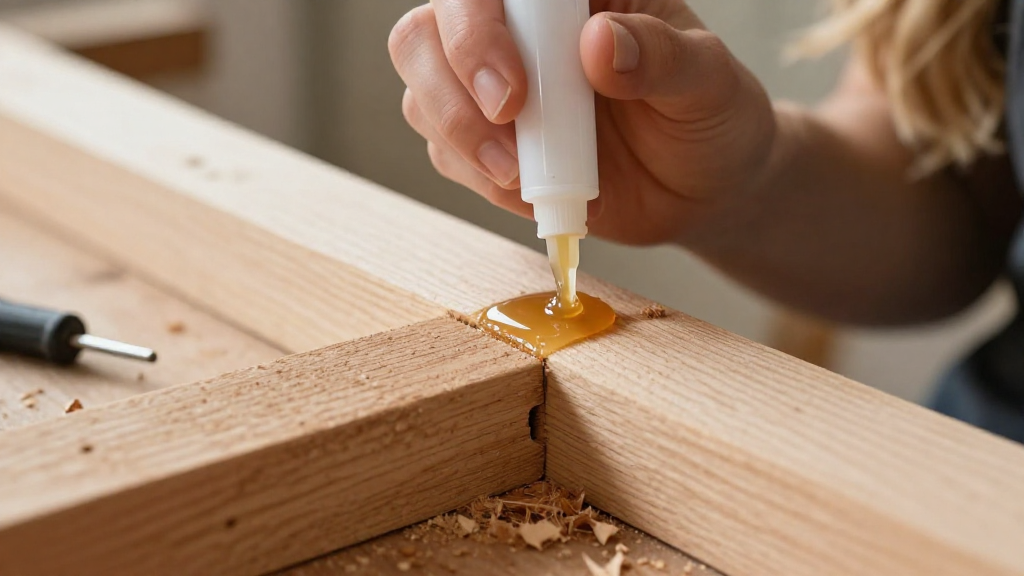
Reinforcing wood joints using glue is an essential skill for both amateur woodworkers and seasoned professionals alike.
Why Should You Reinforce Joints with Glue?
When crafting furniture or other wooden structures, the joints are crucial for structural integrity.
Reinforcing these joints with glue offers several advantages:
-
Increased Strength: Glue can significantly enhance the bond between wood pieces, providing additional strength to resist pulling or twisting forces.
-
Durability: Well-glued joints are less likely to loosen over time, enhancing the lifespan of your projects.
-
Aesthetic Appeal: Glue often allows for cleaner joint lines, which can improve the appearance of your project.
-
Versatility: Various types of wood glue can be used based on the project’s requirements, from waterproof options for outdoor furniture to quick-setting types for fast assembly.
How Do You Choose the Right Glue for Reinforcing Joints?
Choosing the right glue is vital when learning how to reinforce joints with glue.
Here are some popular options:
-
PVA Glue (Polyvinyl Acetate): Commonly used for woodworking, this glue is easy to use, dries clear, and is suitable for most indoor projects.
-
Epoxy: Stronger than PVA, epoxy is ideal for heavy-duty applications and offers excellent moisture resistance.
-
Polyurethane Glue: Known for its expansion properties, polyurethane glue is great for bonding dissimilar materials, but care must be taken not to use too much, as it can expand excessively.
-
Hide Glue: A traditional adhesive that can be reactivated with heat, perfect for antique restoration.
Keep in mind the purpose of your project and the conditions (like moisture) it will face when selecting the adhesive.
What Tools Do You Need to Reinforce Joints with Glue?
Before starting the process of reinforcing joints with glue, gather the right tools:
-
Clamps: Essential for holding the pieces together while the glue dries.
-
Brushes or Applicators: Useful for spreading the glue evenly over the surfaces.
-
Sandpaper: For preparing the surfaces before gluing, ensuring a good bond.
-
Clean Rags: For wiping off excess glue to maintain a clean work surface.
-
Utility Knife or Chisel: Useful for cleaning up glue joints after they’ve cured.
How to Prepare Wood for Reinforcing Joints with Glue?
Preparation is key when learning how to reinforce joints with glue.
Here’s a step-by-step guide:
-
Clean the Surfaces: Ensure that all surfaces to be glued are free from dust, oil, or any other debris.
-
Sand the Edges: Use fine-grit sandpaper to lightly sand the edges of the wood where the joint will be; this helps create a better bonding surface.
-
Dry Fit the Joints: Assemble the parts without glue to ensure they fit properly before applying the adhesive.
-
Read Instructions: Check the glue label for specific instructions regarding application and drying times.
How to Apply Glue for Reinforcing Joints?
Now that you are prepared, here’s how to reinforce joints with glue effectively:
-
Apply the Glue:
– Use a brush or knife to spread a thin, even layer of glue on one of the surfaces.
– Be generous but avoid excess glue, which can create mess and weaken the bond. -
Join the Pieces:
– Align the parts accurately and press them together firmly.
– If necessary, wiggle the pieces a bit to evenly distribute the glue. -
Clamp the Joint:
– Secure the joint using clamps.
– Ensure that the clamping pressure is even and avoid overtightening to prevent wood from deforming. -
Wipe Off Excess Glue:
– Use a clean rag to remove any glue that squeezes out of the joint.
– This step not only makes for a cleaner project but also prevents the extra glue from interfering with the finish later on. -
Let it Cure:
– Follow the glue manufacturer’s drying time recommendations.
– Avoid moving or stressing the joint during this period to ensure maximum strength.
How Can You Test the Strength of Glued Joints?
Once the glue has cured, testing the strength of your reinforced joints is crucial. Here’s how to do it:
-
Visual Inspection: Check for any gaps or misalignment in the joint.
-
Stress Test:
– Gently apply pressure to the joined pieces to check if they shift or show signs of separation.
– If they remain aligned, your joint is likely strong. -
Pull Test: For a more rigorous test, carefully pull the pieces apart. A properly reinforced joint with glue should withstand significant force.
What Are Common Mistakes to Avoid When Reinforcing Joints with Glue?
As you work on learning how to reinforce joints with glue, be mindful of these common pitfalls:
-
Using Too Much Glue: Excessive glue creates a mess and weakens the joint.
-
Inadequate Clamping Pressure: Failing to apply enough pressure can lead to weak bonds; conversely, too much can damage the wood.
-
Neglecting Cleanup: Not removing excess glue can result in unsightly marks or create bumps that affect finish applications later.
-
Ignoring Drying Times: Rushing the process can lead to weak joints; always adhere to the recommended drying time.
What Should You Do After the Glue Has Cured?
After the clamped joints have cured, take these steps to finish your project:
-
Remove Clamps: Carefully take off the clamps and inspect the joint for any issues.
-
Sand Joint:
– If necessary, sand the joint area to smooth out any unevenness created during assembly.
– Use fine-grit sandpaper for this task. -
Finish Your Project:
– Apply your preferred finish, such as paint, varnish, or stain, to enhance the beauty of your piece.
– Ensure that any finish applied does not interact negatively with the glue used.
Conclusion
Reinforcing wood joints using glue is a fundamental skill in woodworking that can greatly enhance the durability and aesthetics of your projects.
By understanding how to reinforce joints with glue, choosing the right products, and following proper techniques, you can build strong and beautiful furniture pieces that stand the test of time.
Be mindful of the preparation, application, and cleaning processes, and you will see a significant improvement in your woodworking quality. Now, get out there and start reinforcing those joints with glue!