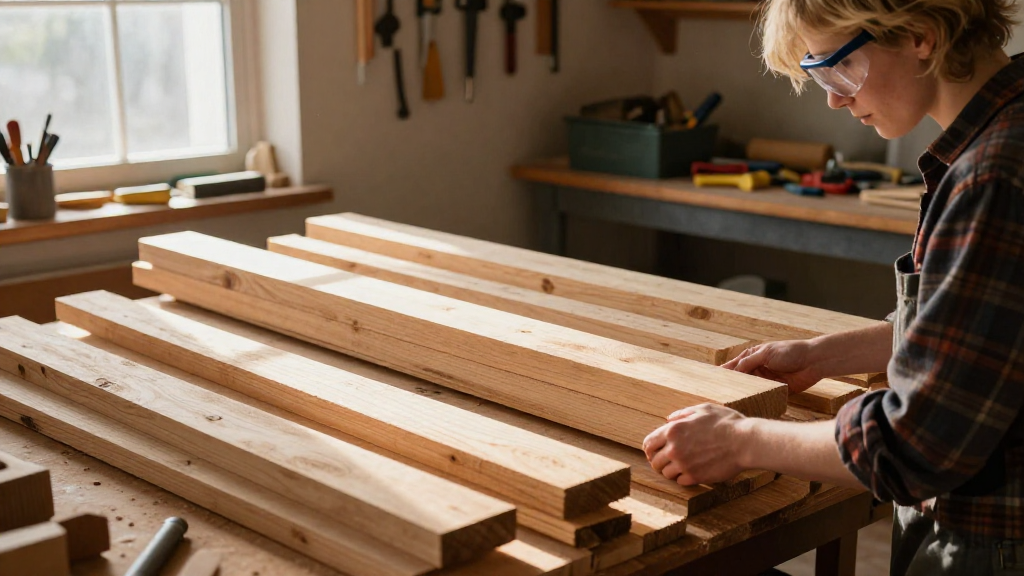
Storing wood can be a challenging task, especially if you want to maintain its quality and usability. Learning how to store wood properly is essential for any woodworker looking to keep their materials in top shape. In this article, we’ll explore various aspects of wood storage, including optimal conditions, effective organization, and maintenance tips.
Why Is It Important to Know How to Store Wood Properly?
Understanding how to store wood properly ensures that
your materials remain flat, dry, and free from defects.
Proper storage can prevent:
- Warping and Bowing: Poor conditions can lead to uneven drying.
- Fungus and Mold Growth: High humidity can result in mildew.
- Pests: Improper storage may invite insects that can damage your wood.
- Waste of Material: Badly stored wood can lead to unnecessary waste and increased costs.
By following best practices for wood storage, you can significantly extend the lifespan of your materials and improve your woodworking results.
What Are the Ideal Conditions for Wood Storage?
To learn how to store wood properly, you must first understand the conditions that will keep it in the best shape. Consider the following factors:
1. Temperature
Wood performs best in a stable temperature environment. Ideally, you want storage conditions between 50°F to 80°F. Extremes in temperature can cause the moisture content in the wood to fluctuate, leading to warping and splitting.
2. Humidity Level
Target a humidity level of between 30-50%.
Higher humidity can cause wood to absorb moisture, leading to swelling, while low humidity can dry it out, resulting in cracking.
3. Air Circulation
Good airflow is essential for preventing mold growth and ensuring the wood dries evenly.
Position your wood stacks in a way that allows air to flow freely around each piece.
Avoid placing wood directly against walls or other surfaces that can trap moisture.
4. Lighting
Wood should be stored away from direct sunlight.
UV rays can cause fading and affect the wood’s finishes.
How Should I Organize My Wood?
Knowing how to store wood properly also involves effective organization. Here are some strategies:
1. Separate by Type and Size
- Grouped Storage: Store hardwoods separately from softwoods.
- Size Categories: Organize wood by lengths and thicknesses to make it easier to find what you need.
2. Use Racking Systems
- Vertical Racks: Utilize vertical storage racks to maximize space.
- Horizontal Surfaces: Use horizontal storage for larger sheets of plywood or lumber.
3. Labeling
Label storage areas with the type of wood and its dimensions.
This practice will save you time and effort when searching for the right pieces.
What Is the Best Way to Stack Wood?
Proper stacking is crucial in learning how to store wood properly.
Here are some pointers:
1. Stick Method
When stacking lumber, use spacers (sticks) between each board to allow airflow.
This method prevents moisture from becoming trapped and extends the life of your wood.
2. Stack Height
Limit your wood stacks to no more than 4 feet high.
Taller stacks can become unstable and may lead to damage when retrieving pieces.
3. Alignment
Ensure that your stacks are level and stable.
Leaning stacks can create an unsafe work environment.
How Can I Maintain My Wood After Storage?
Just knowing how to store wood properly isn’t enough; you also need to maintain it.
Follow these guidelines for upkeep:
1. Regular Inspections
Conduct regular checks for signs of mold, pest infestations, and warping.
2. Cleaning
Keep your storage area clean.
Dust and debris can harbor pests and harmful mold.
3. Conditioning
Occasionally apply wood conditioner or oil to keep the wood hydrated, especially if you live in a dryer area.
What Should I Avoid When Storing Wood?
When learning how to store wood properly, it’s just as important to understand what not to do:
1. Avoid Direct Ground Storage
Never store wood directly on the ground.
Use pallets or racks to keep wood off the floor and prevent moisture absorption.
2. Don’t Overcrowd Your Workspace
Allow adequate space between wood stacks for airflow.
Too much congestion can lead to moisture buildup and pest issues.
3. Avoid Excessive Exposure to Elements
Ensure your storage area is protected from rain, snow, and sun.
Use tarps or covers if necessary, but allow for adequate ventilation.
How Often Should I Check on My Wood?
Regular inspection is crucial once you’ve learned how to store wood properly.
Aim to check your stored wood every few months.
During these checks, look for:
- Signs of discoloration or dampness.
- Evidence of pests or mold.
Conclusion
Learning how to store wood properly is vital for any woodworker who values their craft.
By maintaining ideal environmental conditions, organizing your storage space effectively, and performing regular checks, you can ensure the longevity of your lumber.
Implement these best practices into your workshop routine, and you’ll be well on your way to optimizing your wood storage solutions.
Your future projects will thank you for it!