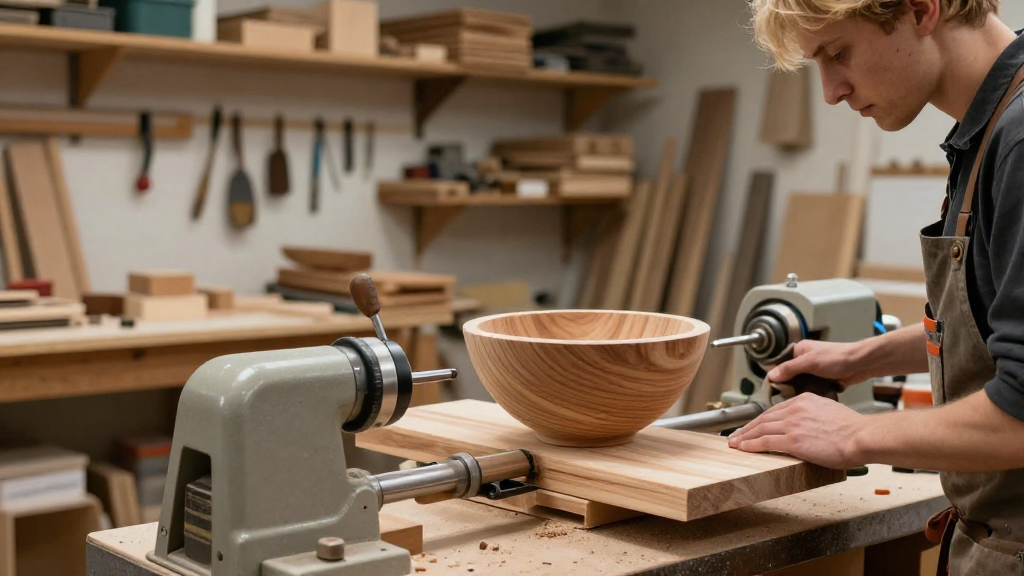
If you’ve ever wondered how to use a wood lathe, you’re in the right place! Wood lathes are versatile tools that can help you create stunning wooden objects, from bowls to spindles. In this article, we will guide you through the steps, tips, and safety measures involved in mastering this essential woodworking skill.
What is a Wood Lathe?
A wood lathe is a machine used to shape wood into various designs by rotating the workpiece against cutting tools.
It features a headstock, tailstock, and bed, providing stability and precision.
Understanding the components will help you effectively learn how to use a wood lathe.
Key Components of a Wood Lathe
- Headstock: Houses the motor and controls the speed of the lathe.
- Tailstock: Supports the other end of the workpiece and allows for adjustments.
- Bed: Provides a stable platform for the entire lathe setup.
- Tool Rest: Holds your cutting tools in place for easy access.
- Spindle: The part that rotates the workpiece during the turning process.
How Do You Prepare for Turning?
Preparation is crucial when learning how to use a wood lathe. Here are some steps to follow:
-
Choose the Right Wood: Select a wood type suitable for your project. Hardwoods like maple and cherry are great choices for beginners.
-
Gather Your Tools: Make sure you have all the necessary tools on hand:
- Cutting tools (gouges, chisels, etc.)
- Sandpaper
- A dust mask and safety goggles
-
Set Up Your Workspace: Ensure your workspace is clean and organized to increase safety and efficiency.
-
Secure the Wood: Mount your wood securely between the headstock and tailstock. Make sure it spins freely without wobbling.
What Are the Basic Techniques to Master?
Once you’re set up, mastering some basic techniques is essential for successful wood turning. Below are key techniques on how to use a wood lathe effectively:
-
Roughing Down: This is the initial step, where you remove excess wood.
– Use a roughing gouge and steady pressure to achieve a cylinder shape. -
Creating Features: After roughing, you can begin to create specific details
– Use different tools for facets or curves. -
Finishing: Sand your project while it’s still on the lathe to achieve a smooth finish.
– Start with a rougher grit (like 80) and gradually move to finer grits (up to 400 or higher).
How to Use Specific Tools?
Different tools can achieve different finishes and shapes. Here’s a brief overview:
What is the Use of a Roughing Gouge?
- Roughing Gouge: Great for starting projects by shaping wood into a uniform cylinder. It has a thicker blade and is used at a shallow angle.
What is the Use of a Parting Tool?
- Parting Tool: Used for creating grooves or separating pieces of wood. It’s narrower and allows for more precision in design.
What is the Use of a Skew Chisel?
- Skew Chisel: Excellent for finer cuts and creating a smooth surface. Angled edges help in achieving detailed work.
How Do You Ensure Safety?
Safety should be your number one priority when learning how to use a wood lathe. Here are some safety tips to follow:
-
Wear Personal Protective Equipment (PPE): Always wear safety goggles and a dust mask to protect against debris and dust.
-
Keep the Area Well-Lit: Adequate lighting will help you see what you’re doing, reducing the chance of mistakes.
-
Use Sharp Tools: Dull tools require more force, increasing the risk of accidents.
-
Stay Focused: Never attempt to multitask when operating a lathe.
-
Secure Loose Clothing and Hair: Always tie back longer hair and avoid loose clothes to prevent entanglement.
What Are Some Common Projects?
Now that you have the basics down, what projects can you tackle? Here are some beginner-friendly ideas:
-
Bowls: Perfect for practicing different cuts and shaping techniques. Start with a blank piece of wood.
-
Vases: A great way to experiment with design and form. You can create stunning decor pieces.
-
Spindles: Ideal for making furniture features like table legs or chair arms.
How Do You Clean and Maintain Your Wood Lathe?
Proper maintenance is essential to ensure your wood lathe remains in good condition. Here are some simple maintenance tips:
-
Regular Cleaning: Always clean your lathe after use to remove wood shavings and dust.
-
Lubrication: Apply lubricant to moving parts, as outlined in your user manual, to ensure smooth operation.
-
Check for Wear: Monitor your tools and replace them when they become worn out.
Conclusion: Are You Ready to Start Turning?
Now that you’re equipped with the knowledge of how to use a wood lathe, you’re ready to embark on your woodturning journey!
Remember, practice makes perfect, so don’t be discouraged if things don’t go perfectly at first.
Start with simple projects, and as you gain confidence, challenge yourself with more complex designs. Enjoy the journey and let your creativity flow!
With the right tools, techniques, and safety precautions, you’ll produce beautiful wooden creations in no time! Happy turning!