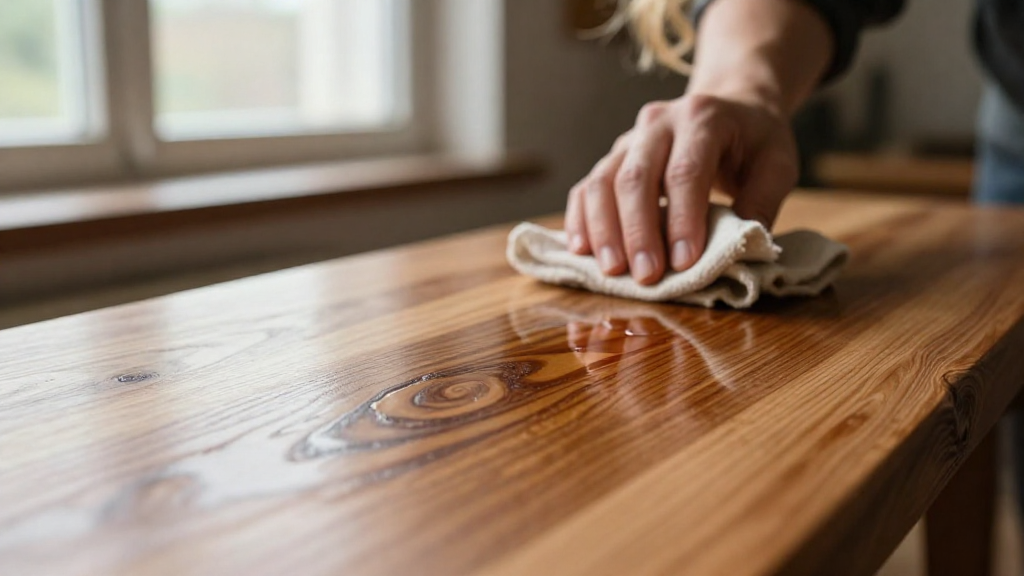
Are you looking for a way to enhance the beauty of your wooden furniture? Learning how to use tung oil on wood can be a game changer for achieving a rich, natural finish.
In this article, we will guide you through the steps of applying tung oil, share tips for getting the best results, and explain why it is a favored choice among woodworking enthusiasts.
What Is Tung Oil and Why Use It?
Tung oil is derived from the seeds of the tung tree, a native of China.
Benefits of Using Tung Oil on Wood:
-
Natural Finish: Tung oil penetrates wood deeply, enhancing its grain and texture without forming a synthetic film.
-
Durability: When cured, it offers water resistance and protection against environmental elements, making it suitable for both indoor and outdoor use.
-
Non-Toxic: Unlike some finishes, tung oil is food-safe and environmentally friendly.
How to Use Tung Oil on Wood: What Do You Need?
Essential Tools and Materials:
Before you embark on your project, gather the following items:
- Tung oil (pure or blended)
- Clean, lint-free rags or brushes
- Sandpaper (120, 220, and finer grits)
- Paint stirrer
- Gloves
- Dust mask
- Respirator (if using in poorly ventilated areas)
How Do You Prepare the Wood for Tung Oil Application?
To ensure the best results, preparation is key. Here’s how you can prepare wood surfaces before applying tung oil:
-
Clean the Surface: Remove any dust, dirt, or grease from the wood surface using a damp cloth.
-
Sand the Wood:
– Start with 120-grit sandpaper to smooth out rough areas.
– Progress to 220-grit for a finer finish.
– Always sand in the direction of the grain to avoid scratches. -
Remove Dust: After sanding, use a tack cloth or a slightly damp cloth to pick up any fine dust particles.
How to Use Tung Oil on Wood: What’s the Application Process?
Ready to learn how to use tung oil on wood? Here’s a step-by-step guide:
-
Mix the Tung Oil: If your tung oil is blended with a drying agent, make sure to stir it well for uniform consistency.
-
First Coat Application:
– Apply a thin coat of tung oil using a clean rag or brush.
– Work in the direction of the wood grain.
– Ensure that the coat is even and does not pool in corners or edges. -
Let It Soak: Allow the oil to soak into the wood for about 20-30 minutes.
-
Wipe Off Excess Oil: After soaking, use a clean rag to wipe away any excess oil that hasn’t penetrated the wood.
-
Cure Time: Let the first coat dry completely. This usually takes 24 hours at room temperature, but drying times can vary based on humidity and temperature.
How Many Coats of Tung Oil Do You Need?
Recommended Number of Coats:
For a stunning finish, generally, 3 to 5 coats of tung oil are recommended.
Additional Instructions:
-
After each coat, sand lightly with fine-grit sandpaper (320-grit or finer) to improve adhesion of subsequent layers.
-
Always wipe off excess oil before allowing it to dry.
-
Repeat the application process as you apply additional coats.
How to Maintain Your Tung Oil Finish?
Regular Maintenance Tips:
-
Cleaning: Use a soft cloth with mild soap and water for routine cleaning.
-
Reapplication: If your finish begins to look dull or tired, you can typically apply a fresh coat of tung oil without stripping the existing finish. Clean and prep the surface as needed before reapplying.
-
Avoid Harsh Chemicals: Stick to natural cleaners to maintain the integrity of the finish.
What Mistakes to Avoid When Using Tung Oil on Wood?
While learning how to use tung oil on wood, be mindful of these common pitfalls:
-
Skipping Preparation: Properly preparing the wood enhances the effectiveness of the oil. Never skip sanding.
-
Applying Too Thick: Keep your coats thin. Thick applications can lead to an uneven finish and extended drying times.
-
Ignoring Drying Times: Be patient. Rushing the drying process can adversely affect the final look.
Can You Apply Tung Oil Over Other Finishes?
Important Considerations:
-
Compatibility: Tung oil can be applied over some other finishes, but it is best suited for raw or bare wood.
-
Test First: Always test a small inconspicuous area before applying tung oil on previously finished surfaces to ensure compatibility and adhesion.
Final Thoughts on How to Use Tung Oil on Wood
Using tung oil to finish wood surfaces is a simple yet effective way to showcase the natural beauty of your projects.
By following these steps carefully and taking your time with the application,
you can achieve a rich, durable finish that enhances the grain and character of your wood.
Whether you’re working on furniture, cabinetry, or decorative items, mastering how to use tung oil on wood will reward you with stunning, professional-quality results.
Start your project today and enjoy the warmth and richness a tung oil finish can bring to your wooden masterpieces!