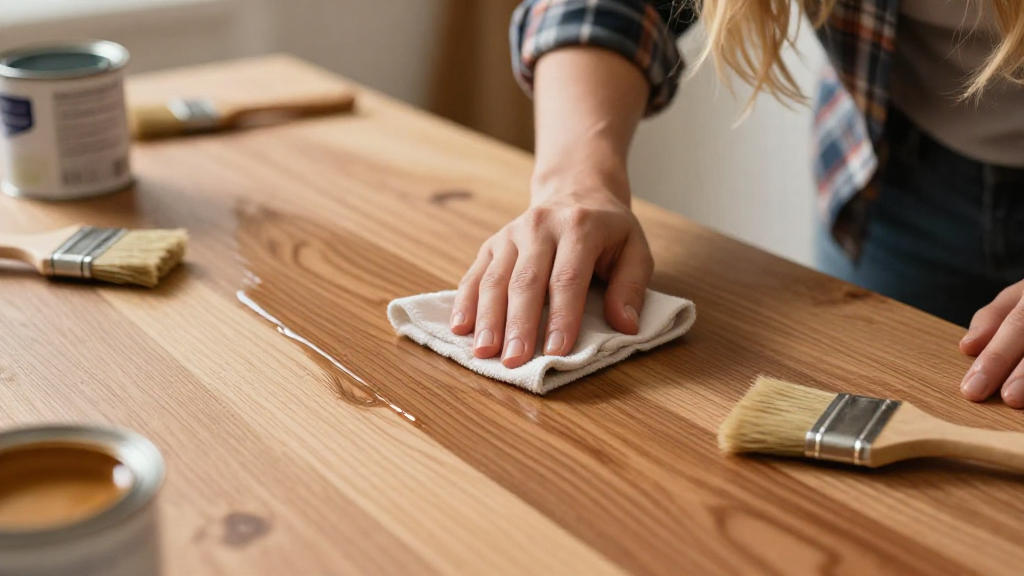
When tackling woodworking projects, understanding how to use wood conditioner is crucial for achieving the best results.
Whether you’re refinishing furniture or crafting something new, using wood conditioner can significantly improve the outcome of your stain application.
What Is Wood Conditioner?
Wood conditioner is a pre-staining product designed to ensure an even coloration across the wood surface.
It helps:
- Prevent blotchiness: Softwoods like pine and certain hardwoods often absorb stain unevenly, leading to unsightly patches.
- Enhance absorption: By equalizing the wood’s porosity, conditioner allows for a uniform stain application.
Using wood conditioner ensures your finished piece looks professional and aesthetically pleasing.
Why Should You Use Wood Conditioner?
Understanding how to use wood conditioner begins with knowing its benefits.
What Are the Benefits of Wood Conditioner?
Let’s delve into why wood conditioner is essential for successful staining:
- Smoother Finish: It creates a barrier that promotes a smoother finish, giving your wood project a polished look.
- Better Color Depth: The conditioner allows stains to penetrate evenly, creating deeper color saturation as opposed to spotty uneven tones.
- Protection Against Damage: It can offer a slight layer of protection against moisture and other environmental factors.
- Saves Time and Effort: Preventative measures lead to fewer repaints and refinishing projects down the line.
- Adaptability: Wood conditioners come in various types, so you can choose the one best suited for your specific wood type.
Knowing how to use wood conditioner effectively will maximize these benefits and ensure your project achieves the desired aesthetic.
How Do You Use Wood Conditioner?
The process of applying wood conditioner is straightforward, but it requires attention to detail. Here’s a step-by-step guide on how to use wood conditioner correctly:
What Supplies Do You Need?
Before you begin, gather the following supplies:
- Wood conditioner: Choose one suitable for your wood type (oil-based or water-based).
- Clean cloths: For application and wiping off excess.
- Sandpaper: Use fine-grit sandpaper for prep.
- Paintbrush or foam applicator: For applying the conditioner.
- Protective gear: Gloves and a mask for safety.
How Do You Prepare the Wood?
-
Sand the Surface:
– Start with 120-grit sandpaper to smooth out rough areas.
– Finish with 220-grit for an ultra-smooth surface. -
Clean the Dust:
– Use a clean cloth or tack cloth to wipe away sawdust.
How to Apply Wood Conditioner?
-
Stir the Conditioner:
– Thoroughly mix the wood conditioner to ensure even distribution. -
Apply the Conditioner:
– Using a paintbrush or foam applicator, apply an even coat of wood conditioner.
– Work with the grain of the wood to promote absorption. -
Let It Sit:
– Allow the conditioner to sit on the surface for about 5-15 minutes.
– This waiting period helps it penetrate the wood effectively. -
Wipe Off Excess:
– After the waiting period, use a clean cloth to wipe away any excess conditioner.
– This step is crucial, as any leftover product can hinder the stain’s bonding to the wood. -
Wait for It to Dry:
– Let the conditioner dry completely per the manufacturer’s guidelines, usually around 1-2 hours.
When Is the Best Time to Stain?
Once you’ve successfully applied your wood conditioner and allowed it to dry, it’s time to move on to the next step!
Make sure to stain the piece within 2 hours of applying the conditioner for the best results.
What Stains Can You Use After Conditioning?
You can use various stains over wood conditioner, including:
- Oil-Based Stains: These often provide a rich, deep color and work well with oil-based conditioners.
- Water-Based Stains: These tend to dry faster and can be combined effectively with water-based conditioners.
Always check product compatibility—some water-based stains may not bond as effectively over oil-based conditioners.
How to Choose the Right Wood Conditioner?
Choosing the right wood conditioner plays a critical role in the outcome of your project. Consider these factors:
- Wood Type: Different woods absorb stains differently. For softwoods like pine, always use a conditioner. Hardwoods might require it, depending on the desired final look.
- Type of Stain: Match your conditioner to your stain: use oil-based conditioner with oil-based stains and water-based conditioner with water-based stains.
- Desired Finish: If you want a lighter or more uniform finish, opt for a gel conditioner or a thinner product.
Common Mistakes When Using Wood Conditioner
When learning how to use wood conditioner, there are common pitfalls to avoid:
- Skipping the Sanding Step: Always sand your wood; forgoing this can lead to an uneven finish.
- Not Following Drying Times: Be patient! Allow enough time for the conditioner to dry before applying stain.
- Over-saturating the Wood: Too much conditioner can prevent proper stain adhesion, leading to a patchy appearance.
Final Thoughts on How to Use Wood Conditioner Before Staining
Properly utilizing wood conditioner is essential in woodworking projects.
Understanding how to use wood conditioner effectively can elevate your finished piece from mediocre to stunning.
Always remember the benefits it offers—smoother finishes, consistent color, and better overall protection.
By following the steps outlined above—prepping, applying, and choosing the right conditioner and stain—you will ensure that your woodworking projects shine with a professional touch.
Embrace the beauty of stained wood with confidence, knowing that a simple yet powerful product like wood conditioner can make all the difference!