When it comes to choosing the right type of lumber for your project, the debate of kiln-dried vs air-dried wood inevitably arises. Each method has its unique benefits and drawbacks, influencing not just the wood’s longevity but also its appearance and usability.
What Is Kiln-Dried Wood?
Kiln-dried wood is lumber that has been dried in a controlled environment.
This process involves placing the wood in a large oven or kiln where temperature and humidity can be precisely managed.
This method typically reduces the moisture content of the wood to around 6-8%, making it more stable and less prone to warping.
Advantages of Kiln-Dried Wood:
- Rapid Drying Process: Kiln drying significantly reduces the drying time to a few days, compared to months for air drying.
- Reduced Pest Infestation: The high temperatures in the kiln effectively eliminate insects and their eggs, reducing the risk of pest-related problems.
- Enhanced Stability: Wood dried in a kiln is less likely to warp, crack, or shrink after installation.
- Ready to Use: Because it is dried to a specific moisture content, kiln-dried wood can be used immediately for frameworks, furniture, or cabinetry.
What Is Air-Dried Wood?
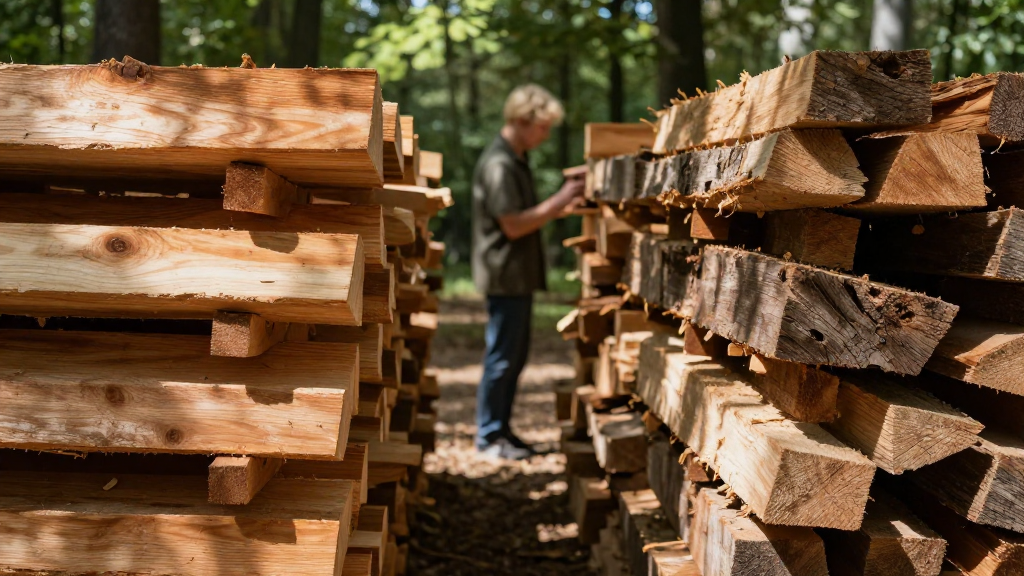
Air-dried wood, on the other hand, is lumber that is dried naturally by being stacked in the open air.
This method relies on natural ventilation and sunlight, allowing the wood to lose moisture gradually.
Typically, air-drying can take several months to even years, depending on the species of wood and environmental conditions.
Advantages of Air-Dried Wood:
- Natural Drying Process: Air drying is more environmentally friendly as it requires no heavy machinery.
- Rich Appearance: Many woodworkers appreciate the natural character of air-dried wood, which often showcases a more rustic, unique aesthetic.
- Lower Costs: Air-dried wood is generally less expensive due to the lack of energy use in its drying process.
- Better Acclimatization: Because it dries more slowly, air-dried wood can adapt better to the natural humidity in the environment where it will be used.
Kiln-Dried vs Air-Dried Wood: Which Is More Affordable?
Cost is a significant factor for many individuals and businesses considering wood options.
Here’s how kiln-dried and air-dried wood stack up:
Kiln-Dried Wood Costs:
- Costs more upfront due to the energy and machinery required for drying.
- Higher demand because of stability and usability, often justifying the cost.
Air-Dried Wood Costs:
- Typically cheaper to purchase due to the more straightforward drying process.
- May require additional prep work for crafting or construction due to variations in moisture content.
If budget is your primary concern, air-dried wood may be the better choice in terms of upfront costs.
However, if you consider long-term investment and usability, kiln-dried wood may provide better value.
How Do They Perform in Different Environments?
Wood performance can vary significantly based on its drying method.
Kiln-Dried Wood Performance
Pros:
- Performs well in variable climates due to its low moisture content.
- Less prone to warping, shrinkage, and splitting.
- Ideal for indoor applications and furniture projects.
Cons:
- Can sometimes be too dry for specific applications, leading to cracking if exposed to high humidity environments.
Air-Dried Wood Performance
Pros:
- Retains some moisture, allowing it to fare better in outdoor or high-humidity settings.
- Ideal for specific woodcraft projects that aim for a more rustic appearance.
Cons:
- More susceptible to warping and cracking in drier environments.
- Requires acclimatization when transitioning indoors.
Ultimately, the environment in which the wood will be used may dictate whether kiln-dried vs air-dried wood is more suitable.
Is It Easier to Work with One Over the Other?
Working with Kiln-Dried Wood
- Consistency: Kiln-dried wood tends to have more consistent moisture levels, making cuts and joints easier.
- Less Splitting: Generally, kiln-dried wood splits and cracks less during the cutting process.
- Surface Preparation: Often requires less sanding and prep work due to its smoother surface.
Working with Air-Dried Wood
- Unique Aesthetics: Air-dried wood often has a more interesting grain and imperfections that can add character to the finished product.
- Learning Curve: Working with irregular moisture levels may require more finesse in design and assembly techniques.
In terms of ease of use, kiln-dried wood may have the edge due to its uniformity and stability, making it favorable for novice woodworkers.
Which One Holds Up Better Over Time?
When it comes to longevity, the following factors are essential to consider:
Durability of Kiln-Dried Wood
- Long-Term Stability: The controlled drying process ensures that the wood maintains its structure over time.
- Insect Resistance: The high temperatures eliminate pests, enhancing longevity.
Durability of Air-Dried Wood
- Natural Resilience: Some wood species have natural properties that make them less vulnerable to decay.
- Slow Drying Benefits: The gradual drying process may allow certain woods to keep their structural integrity longer under various conditions.
If long-term stability and warp resistance are priorities for your project, kiln-dried wood is typically the better option.
Conclusion: Which Should You Choose?
Ultimately, the decision between kiln-dried vs air-dried wood comes down to your specific needs and preferences.
- Choose Kiln-Dried Wood If:
- You need wood that is immediately usable and stable.
- You are working in an environment with varying climates, where wood fluctuations could be problematic.
-
You prioritize smoother finishes and ease of working.
-
Choose Air-Dried Wood If:
- Cost is a primary concern, and you want a more budget-friendly option.
- You appreciate the unique character that air-dried wood can bring to your projects.
- You’re working in a stable humidity environment or seeking a rustic finish.
Knowing the differences between kiln-dried and air-dried wood can help you make an informed choice that aligns with your project goals, budget, and personal preferences.