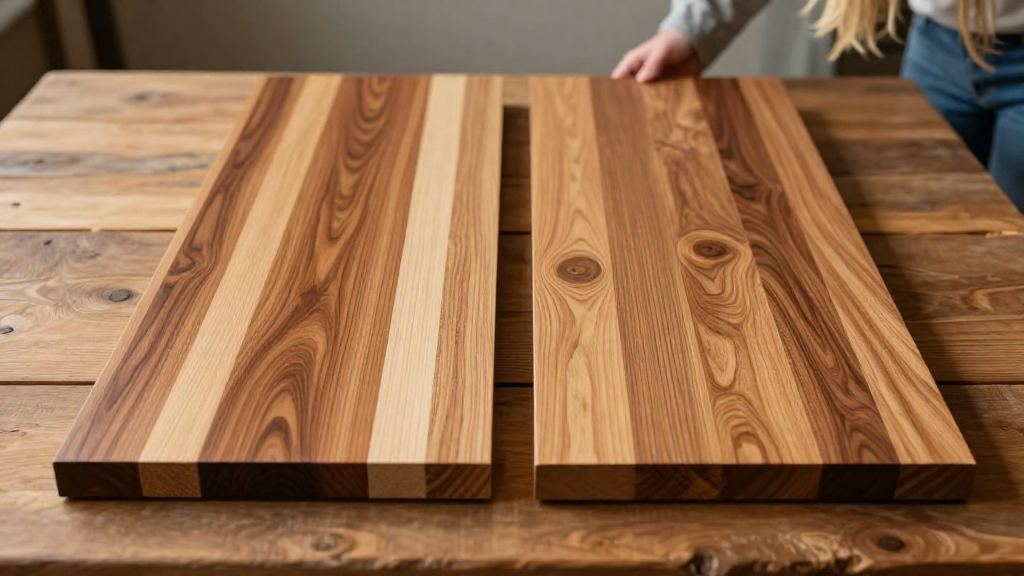
When it comes to choosing the right type of wood for your projects, understanding the differences between laminated wood vs solid wood is crucial. This article will delve into the pros and cons of each, helping you make an informed decision based on your needs.
What is Laminated Wood?
Laminated wood, often referred to as engineered wood, is made by bonding together multiple layers of wood veneer or strips of wood, using adhesives.
This process increases the strength and stability of the wood.
What are the Benefits of Laminated Wood?
-
Stability: Laminated wood is less prone to warping, splitting, or shrinking compared to solid wood.
-
Cost-Effectiveness: It is generally more affordable, making it ideal for larger projects.
-
Sustainability: Laminated wood often uses less material, which can be a more environmentally friendly option.
-
Aesthetics: Available in a variety of finishes and styles, laminated wood can closely mimic the look of solid wood.
-
Versatile Applications: It can be used in flooring, furniture, and architectural elements.
What is Solid Wood?
Solid wood is exactly what the name implies; it is made from a single piece of wood, sourced directly from trees.
It is traditionally viewed as a high-quality material due to its durability and longevity.
What are the Benefits of Solid Wood?
-
Durability: Solid wood is exceptionally strong and can last for generations if well-maintained.
-
Value: Due to its natural beauty and craftsmanship, solid wood often has a higher resale value than laminated wood.
-
Repairability: Scratches and dents can be sanded out or repaired, allowing for a longer lifespan.
-
Authentic Appearance: Each piece of solid wood has a unique grain, offering a one-of-a-kind aesthetic.
-
Natural Insulator: Solid wood provides better insulation properties, enhancing energy efficiency.
What are the Drawbacks of Laminated Wood?
Despite its benefits, laminated wood does have some drawbacks.
-
Less Authentic: The look and feel can sometimes be perceived as less genuine compared to solid wood.
-
Limited Lifespan: While durable, laminated wood does not match the longevity of solid wood.
-
Repair Challenges: If damaged, laminated wood is often more challenging to repair than solid wood.
-
Chemical Content: The adhesives used in the manufacturing process can sometimes release volatile organic compounds (VOCs), potentially affecting indoor air quality.
What are the Drawbacks of Solid Wood?
While solid wood offers many advantages, it is not without its disadvantages.
-
Cost: Solid wood is usually more expensive than laminated wood, which can impact budget decisions.
-
Susceptibility to Changes: Solid wood can be more vulnerable to warping, shrinking, or expanding with moisture and humidity changes.
-
Maintenance Requirements: It often requires more upkeep, such as regular oiling and polishing, to maintain its appearance.
-
Weight: Solid wood can be significantly heavier than laminated options, making transportation and installation more challenging.
How Do Laminated Wood and Solid Wood Compare in Price?
When discussing laminated wood vs solid wood, price is one of the major factors to consider.
-
Laminated Wood: Typically more affordable, making it ideal for budget-conscious consumers.
-
Solid Wood: Generally more expensive due to the quality of material and craftsmanship involved.
Which Option is More Sustainable?
Both laminated wood and solid wood have sustainability aspects, but they differ significantly.
-
Laminated Wood: Often uses fewer resources and can incorporate recycled materials.
-
Solid Wood: If sourced responsibly, it can be sustainable, but over-harvesting affects forests worldwide.
What Applications Suit Each Type of Wood?
The choice between laminated wood vs solid wood also depends on the specific applications.
Laminated Wood Applications
-
Flooring: Great for high-traffic areas due to its durability.
-
Furniture: Often used for less expensive furniture options.
-
Cabinets: Suitable for modern designs where functionality outweighs aesthetics.
Solid Wood Applications
-
Fine Furniture: Ideal for pieces that need to withstand time and look beautiful, like heirlooms.
-
Cabinetry: Used in high-end kitchens and bathrooms for aesthetics and longevity.
-
Architectural Elements: Perfect for beams and other structural components due to its strength.
How to Decide Between Laminated Wood vs Solid Wood?
Choosing between laminated wood and solid wood involves assessing several factors:
-
Budget: Determine your financial constraints.
-
Project Purpose: Consider where and how the wood will be used.
-
Aesthetic Preference: Evaluate your taste in design and finish.
-
Long-term Investment: Weigh the longevity and maintenance costs against initial costs.
-
Environmental Impact: Consider sustainability and your carbon footprint.
Conclusion: Which is Better for You: Laminated Wood or Solid Wood?
Ultimately, the choice between laminated wood vs solid wood depends on your specific needs and priorities.
-
If you seek affordability, stability, and versatility, laminated wood may be the ideal choice.
-
However, for long-term investment, authentic beauty, and durability, solid wood is likely the superior option.
Understanding the pros and cons of both types will ensure that you select the right wood for your projects, yielding satisfaction for years to come.