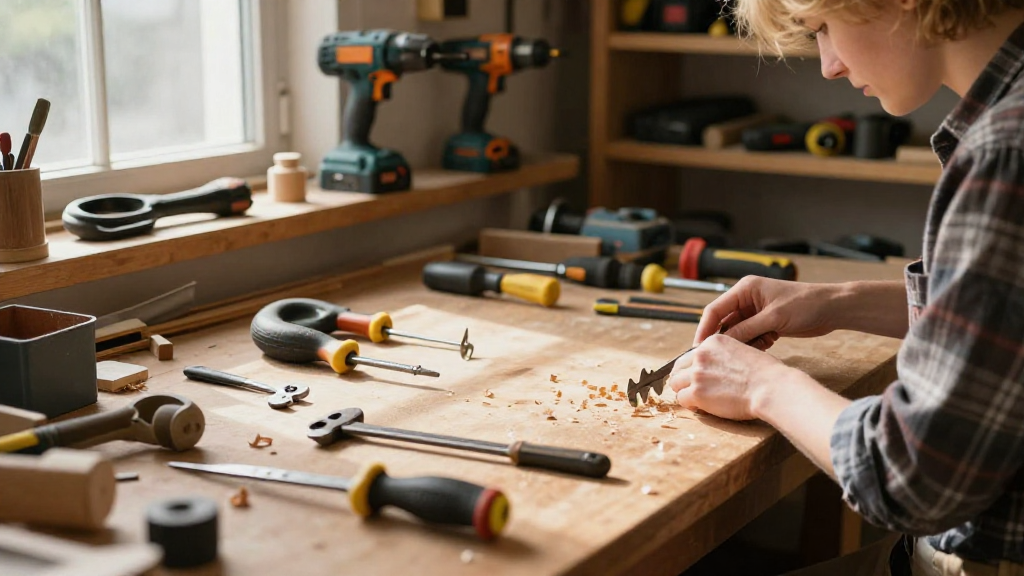
Organizing tools in a woodshop is essential for maximizing efficiency and ensuring a safe work environment.
Creating an organized workspace can significantly enhance both productivity and creativity.
Whether you’re a hobbyist or a professional woodworker, understanding the best methods for organizing tools in your woodshop can make a world of difference.
Why Is Organizing Tools in a Woodshop Important?
The importance of organizing tools in a woodshop cannot be overstated.
-
Improved Efficiency: Spending less time searching for tools means more time working on projects.
-
Increased Safety: A cluttered workspace can lead to accidents.
-
Better Creativity: An organized space allows for easier access to tools, which can inspire new ideas.
-
Time Savings: The more organized your tools are, the less time you waste.
What Are the Best Methods for Organizing Tools in a Woodshop?
When it comes to organizing tools in your woodshop, there are several effective methods to consider.
1. Use Tool Storage Systems
Storage systems are an effective way to keep your tools organized.
-
Tool Cabinets: Store tools in a dedicated cabinet for easy access.
-
Pegboards: Install a pegboard on your wall for hanging frequently used tools, allowing for easy visibility and access.
-
Tool Chests: If you own multiple small tools, a tool chest can help keep them organized in drawers.
2. Create Zones for Specific Tasks
Dividing your woodshop into specific zones can help in organizing tools in a woodshop.
- Work Zones: Designate areas for cutting, sanding, or assembling.
-
Material Storage: Keep all materials in one corner for easy access.
-
Finishing Zone: Allocate a separate area for staining or painting projects to avoid contaminating other zones.
3. Employ Vertical Storage Solutions
Taking advantage of vertical space is crucial.
-
Shelving Units: Use tall shelving units to store larger items.
-
Wall-Mounted Racks: Store longer tools such as clamps and levels on wall-mounted racks.
-
Overhead Storage: Utilize ceiling space for items you use less frequently, such as seasonal tools or materials.
4. Adopt Clear Labeling Systems
Labeling can streamline the process of finding and returning tools.
-
Labeling Bins: Use clear bins with labels for small parts and accessories.
-
Color-Coded Systems: Assign colors to different tool categories to make identification easier.
-
Printed Labels: Use a label maker to create professional-looking labels that are easy to read.
5. Regular Maintenance and Evaluation
Maintaining your organization system is key.
-
Routine Checks: Regularly assess your organization system to see if modifications are needed.
-
Declutter Periodically: Get rid of tools you no longer use.
-
Organize at the End of Each Project: Spend a bit of time organizing tools back in their designated places after completing each project.
6. Utilize Mobile Tool Storage
Mobile tool storage solutions can enhance flexibility.
-
Tool Carts: Consider a tool cart that you can easily move from one area to another.
-
Rolling Toolboxes: These can be used for transporting tools to job sites or storage.
-
Portable Workbenches: Look for ones with built-in storage options to carry essential tools with you.
What Tools Should Be Organized and How?
When organizing tools in a woodshop, some tools require special attention.
Power Tools
- Saws: Store on a rack or utilize a wall-mounted system.
- Drills & Drivers: Use a designated drawer or container.
Hand Tools
- Hammers, Screwdrivers, and Pliers: Hang these on a pegboard or in a compact tool organizer.
- Chisels and Plane: Organize these in a dedicated drawer or tool box.
Materials and Accessories
- Nails & Screws: Utilize small parts bins, labeled accordingly.
- Sandpaper: Store in a folder or container to keep it accessible.
Safety Gear
- Goggles, Masks, and Gloves: Maintain a designated location so they’re readily available.
- First Aid Kits: Keep in an easily accessible spot but away from work areas.
How Can Technology Help in Organizing Tools in a Woodshop?
In today’s age, technology can be immensely helpful in organizing your woodshop.
Digital Inventory Systems
-
Apps for Inventory Management: Utilize apps to keep track of your tools.
-
Cloud-Based Storage: Store photos and details about your tools for quick reference.
Smart Organizational Tools
-
Bluetooth-Enabled Inventory Tags: These can help you monitor tool borrowing or usage.
-
Digital Label Makers: Choose digital devices to create professional-quality labels at your fingertips.
Conclusion:
Effective organizing tools in a woodshop leads to better productivity and a looser creative spirit.
By implementing the strategies outlined in this article, you’ll not only find your tools more easily but also enhance your overall woodworking experience.
Remember, a tidy workspace leads to an inspired one.
So take the time to invest in your woodshop organization today, and reap the benefits tomorrow!