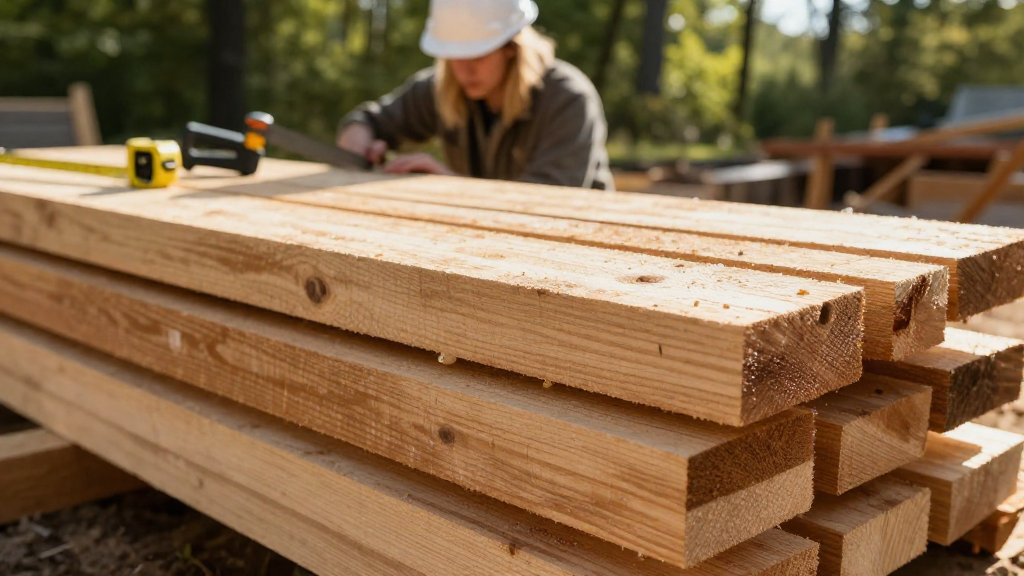
When it comes to outdoor projects, understanding pressure-treated wood uses is crucial for achieving durability and longevity.
What is Pressure-Treated Wood?
First, let’s clarify what pressure-treated wood is.
Pressure-treated wood is lumber that has been chemically engineered to resist rot, insects, and weathering.
This treatment process involves placing wood into a specialized chamber where preservatives are forced deep into the fibers through high pressure.
As a result, pressure-treated wood offers significant advantages, especially for outdoor applications.
Why Choose Pressure-Treated Wood?
Here are some reasons why you might consider this type of lumber for your projects:
-
Durability: Pressure-treated wood typically lasts much longer than untreated wood. It can endure harsh weather conditions and resist decay.
-
Pest Resistance: This wood is treated with chemicals that deter insects like termites and beetles, making it ideal for homes surrounded by nature.
-
Cost-Effective: While it may be more expensive upfront compared to untreated wood, the long-term savings from fewer repairs and replacements make it a wise investment.
What Are Common Pressure-Treated Wood Uses?
Pressure-treated wood uses can vary widely depending on the specific needs of your project. Here are some of the most common applications:
-
Decking and Patios
Pressure-treated wood is an excellent choice for decking because it withstands moisture and UV exposure. With proper sealing and maintenance, your wooden deck can last for decades. -
Fencing
For residential or commercial fencing, pressure-treated wood provides a robust barrier against rot and insect damage, ensuring privacy and security for years to come. -
Garden Beds
If you enjoy gardening, using pressure-treated wood for raised beds can help keep soil contained while preventing the wood from breaking down due to moisture. -
Play Structures
For children’s playsets and swings, pressure-treated wood offers safety through sturdiness and longevity, with minimal risk of deterioration. -
Landscaping and Retaining Walls
Because landscaping elements often face moisture exposure, pressure-treated wood is suitable for retaining walls that need to hold back soil and withstand the elements. -
Docks and Piers
In areas where wood is in constant contact with water, such as lakes or rivers, pressure-treated wood resists decay due to its treatment.
Are There Any Downsides to Pressure-Treated Wood?
Despite its many pressure-treated wood uses, it’s important to be aware of potential downsides:
-
Chemical Concerns: The chemicals used in pressure treatment, such as pesticides, could leach over time. It’s crucial to use proper sealants to mitigate this risk.
-
Weight: Pressure-treated wood is generally heavier than untreated wood, which can complicate handling and transportation.
-
Cost: While the durability can save money in the long run, the initial investment can be higher, which may not suit every budget.
How to Care for Pressure-Treated Wood
The longevity of your pressure-treated wood products greatly depends on how you care for them.
Here are some tips to prolong their lifespan:
-
Seal the Wood: After installation, it’s a good idea to apply a sealant or stain. This not only enhances the color but also adds a protective layer against UV rays and moisture.
-
Clean Regularly: Ensure that your pressure-treated wood is cleaned regularly to prevent the growth of mold and mildew. A mixture of soap and water can serve well for this purpose.
-
Inspect for Damage: Regularly check for signs of wear, such as splintering or rotting, and replace any damaged parts promptly to avoid further degradation.
What Should You Consider Before Using Pressure-Treated Wood?
To determine if pressure-treated wood is the right choice for your project, consider the following factors:
-
Location: Will the wood be exposed to extreme weather conditions?
-
Functionality: Is the wood intended for structural support, or is it primarily decorative?
-
Budget Constraints: Can you afford the initial investment while considering long-term maintenance and replacement costs?
-
Aesthetics: Do you prefer the natural look of untreated wood, or are you open to painting or staining treated wood?
Are There Alternatives to Pressure-Treated Wood?
If pressure-treated wood doesn’t fit your needs, there are several alternatives you can consider:
-
Cedar: Naturally resistant to rot and insects, cedar is a great alternative. However, it may require additional sealing for longevity.
-
Composite Materials: Made from recycled plastics and wood fibers, composite materials can be low-maintenance and resistant to rot, but they tend to be less environmentally friendly compared to natural wood.
-
Reclaimed Wood: This option not only offers a unique aesthetic but is also an eco-friendly choice. However, it may require additional preparation to ensure it’s safe and sturdy for use.
Final Thoughts on Pressure-Treated Wood Uses
Understanding the pressure-treated wood uses and applications can significantly enhance the quality and lifespan of your outdoor projects.
From decking to fencing, this durable lumber serves as a reliable choice for various outdoor structures.
By evaluating your specific needs and conditions, you can make an informed decision on whether pressure-treated wood is right for your project.
Always complement your pressure-treated wood with proper care and maintenance strategies to enjoy its benefits for years to come.
Investing time in research and consideration will undoubtedly pay off, bringing both beauty and functionality to your outdoor space.