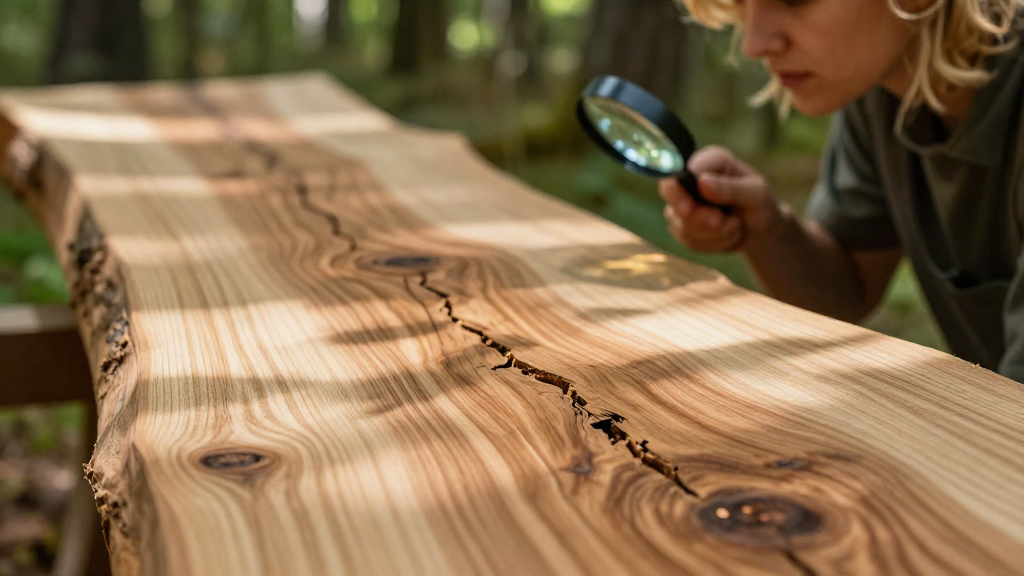
Seasonal movement in wood is a natural phenomenon that affects how wood behaves throughout the year.
This article delves into what seasonal movement in wood is, why it occurs, how it can impact wood-based projects, and what can be done to manage it effectively.
What is Seasonal Movement in Wood?
Seasonal movement in wood refers to the expansion and contraction of wood fibers due to changes in humidity and temperature.
- When humidity is high, wood absorbs moisture, causing it to swell.
- When humidity drops, the moisture is released, and the wood dries, leading to shrinkage.
This movement happens because wood is a hygroscopic material, which means it can absorb and release moisture from the surrounding environment.
Why Does Wood Experience Seasonal Movement?
The seasonal movement in wood is largely influenced by two factors: temperature and relative humidity.
1. Temperature Changes
- As temperatures rise, the capacity of air to hold moisture increases.
- Conversely, lower temperatures often lead to decreased moisture content in the wood.
These cyclical temperature changes cause wood to expand during warmer seasons and contract during colder ones.
2. Relative Humidity
The relative humidity is the percentage of moisture in the air compared to the maximum it can hold at a given temperature.
- High humidity levels lead to an increase in wood moisture content.
- Low humidity levels result in a decrease in moisture content.
Understanding how humidity and temperature fluctuate in a given environment is essential for predicting seasonal movement in wood.
How Does Seasonal Movement Affect Wood?
The effects of seasonal movement in wood can be significant, especially when it comes to woodworking projects.
Here are some key impacts of seasonal movement:
1. Warping
Wood can warp or twist when it expands or contracts unevenly.
This is a common issue:
- Cups
- Bow
- Twist
Warping can occur due to differences in moisture levels within the wood itself.
2. Cracks and Splits
Rapid changes in moisture levels can lead to:
- Surface cracks
- Fissures
These effects can compromise the integrity of wood pieces, particularly in fine woodworking.
3. Joints and Connections
Seasonal movement in wood affects how pieces fit together:
- Loose joints may occur when wood dries and shrinks.
- Tight connections can result when wood expands in humid conditions.
This variability can lead to complications in furniture, cabinetry, and other assemblies.
4. Surface Finish
The appearance and longevity of finishes and stains can also be affected by seasonal wood movement.
When wood moves, it can cause:
- Cracking in finishes
- Loss of adhesion
This can lead to a requirement for more frequent maintenance and refinishing.
How Can You Manage Seasonal Movement in Wood?
Understanding the factors influencing seasonal movement in wood equips you with the right tools and strategies for managing it effectively. Here are some methods to consider:
1. Acclimatization
Allowing wood to acclimatize to the environment before use can minimize seasonal movement.
- Store wood in the intended location for a few days.
- Ensure temperature and humidity levels mimic those of the final installed environment.
2. Use of Stabilized Wood
Stabilized wood involves treating wood with special resin processes that significantly decrease its hygroscopicity.
This treatment limits seasonal movement in wood and enhances its durability.
3. Selecting Appropriate Species
Certain wood species naturally exhibit less movement.
- Hardwoods, such as maple and oak, often demonstrate more stability than softwoods.
- Choosing species known for their dimensional stability can lead to more successful projects.
4. Design Considerations
Incorporating design elements that accommodate wood movement can minimize potential issues:
- Use floating panels in cabinet doors to allow for expansion and contraction.
- Leave space around wood joints to allow for movement without stressing the material.
5. Controlled Environment
In certain construction applications, such as high-end cabinetry or musical instruments, controlling the environment can be beneficial.
- Maintain stable temperature and humidity levels.
- Use dehumidifiers or humidifiers as needed to create a consistent environment.
Conclusion: Embracing Seasonal Movement in Wood
Understanding seasonal movement in wood is crucial for anyone working with wood.
From carpenters and woodworkers to architects and furniture makers, this knowledge allows individuals to make informed decisions that lead to successful outcomes.
By embracing the principles of seasonal movement in wood, and applying effective methods to manage it, you can create beautiful, lasting wooden pieces that stand the test of time.
Key Takeaways
- Seasonal movement in wood is affected by changes in humidity and temperature.
- Understanding this phenomenon can help prevent issues like warping, cracking, and joint failure.
- Employing strategies such as acclimatization, the use of stabilized wood, informed species selection, thoughtful design, and maintaining a controlled environment can significantly mitigate the effects of seasonal movement.
By following these guidelines, you can ensure that wood projects remain robust and visually appealing throughout the seasons.