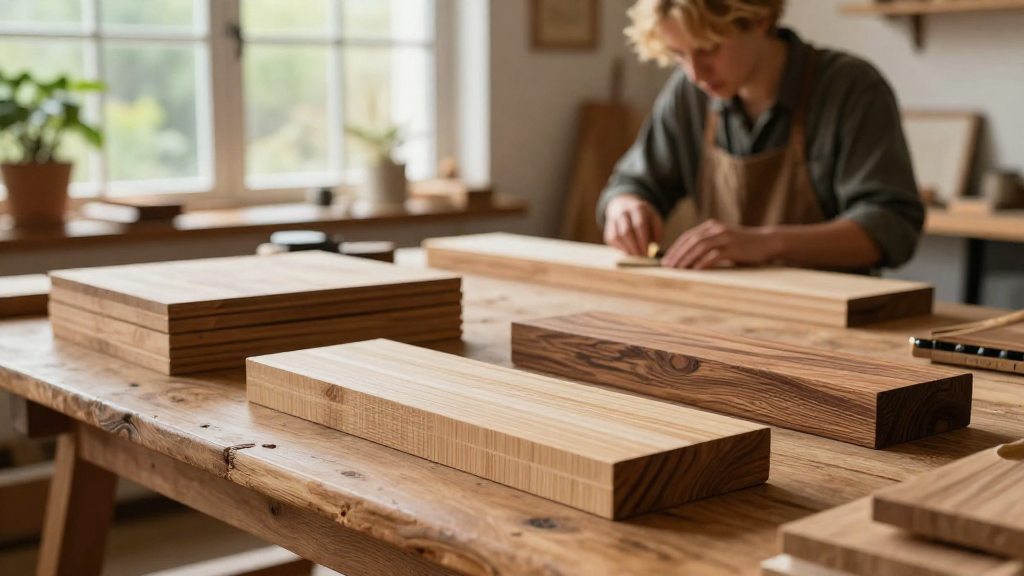
When it comes to woodworking projects, understanding sustainable wood types for projects is crucial for reducing our environmental impact.
What Are Sustainable Wood Types for Projects?
Sustainable wood types for projects refer to timber derived from forests that are managed responsibly, ensuring they remain healthy and thriving for the future.
Using these materials in your woodworking not only helps preserve the environment but also supports ethical practices within the industry.
Why Choose Eco-Friendly Wood?
-
Environmental Conservation:
Sustainable wood often comes from managed forests, which helps keep ecosystems intact. -
Supports Local Economies:
Many sustainable suppliers are local, meaning your purchase contributes to the community. -
Improved Durability:
Sustainable woods are often more resilient, making them a practical choice for long-lasting products. -
Healthier Indoor Air Quality:
Many sustainable wood options are free from harmful chemicals, making them safer for your home.
Choosing sustainable wood types for projects is not just a trend; it’s a necessity for those who value the Earth.
What Are Some Popular Sustainable Wood Types for Projects?
There are several types of sustainable wood that are perfect for various woodworking needs. Here are some of the most popular:
1. Bamboo
- Fast-Growing: Bamboo is one of the fastest-growing plants on the planet, making it a readily available resource.
- Durable and Versatile: It can be used in furniture, flooring, and decorative items.
- Carbon Sequestration: Bamboo absorbs more carbon dioxide than trees, making it a great choice for your eco-friendly projects.
2. Reclaimed Wood
- Resourceful: This wood comes from old barns, factories, and other structures that have been deconstructed.
- Unique Character: Reclaimed wood adds a rustic charm to projects.
- Reduced Waste: Reusing materials minimizes the demand for new lumber.
3. FSC-Certified Hardwoods
- Sustainably Harvested: Forest Stewardship Council (FSC) certification guarantees that the wood comes from responsibly managed forests.
- Options Include: Popular choices are maple, cherry, and walnut.
- Variety of Uses: They are perfect for furniture, cabinets, and more.
4. Eucalyptus
- Fast Growth Rate: Like bamboo, eucalyptus grows quickly and can be harvested regularly.
- Resistance to Pests: Eucalyptus is naturally resistant to insects, making it a durable choice.
- Aesthetic Appeal: Its beautiful grain adds an elegant look to any project.
5. Paulownia
- Lightweight Yet Strong: This wood is perfect for projects where weight matters.
- Fast Growth: Paulownia trees grow rapidly, allowing for sustainable harvesting.
- Moisture Resistant: Its properties make it ideal for outdoor furniture.
How to Identify Sustainable Wood Types for Projects?
When selecting wood for your woodworking projects, it’s essential to ensure it is genuinely sustainable. Here are some tips:
-
Check for Certifications:
Look for wood that is FSC-certified or carries similar certifications. -
Inquire About the Source:
Ask suppliers where their wood comes from and how it’s harvested. -
Look for Reclaimed Options:
Reclaimed wood is a great sustainable alternative, so consider using it in your projects. -
Examine the Material’s Impact:
Research the carbon footprint of the wood types you are considering. -
Educate Yourself:
Stay aware of wood species and their sustainability status through reliable resources.
How to Care for Sustainable Wood Types?
To maximize the life of your projects made from sustainable wood types for projects, proper care is vital. Here are some essential maintenance tips:
-
Regular Cleaning:
Wipe surfaces regularly with a damp cloth to remove dust. -
Avoid Excessive Moisture:
Protect your wood by not exposing it to water for long periods. -
Use Eco-Friendly Finishes:
Opt for stains and finishes that are non-toxic and environmentally friendly. -
Keep Away from Direct Sunlight:
Prevent fading and warping by placing wooden items away from intense sunlight.
Why Does Sustainable Wood Matter in Woodworking?
The impact of using sustainable wood types for projects is significant. Here’s why it should matter to every woodworker:
-
Reduction of Deforestation:
Sustainable practices help combat deforestation and degradation of natural habitats. -
Promotes Biodiversity:
Sustainable forestry helps protect various species and their habitats. -
Inspiration for Others:
By choosing sustainable wood, you set an example for others to follow in the woodworking community.
What Are the Economic Benefits of Using Sustainable Wood?
Investing in sustainable wood types for projects not only benefits the environment but can also be economically advantageous. Here are a few economic benefits:
-
Longer Lifespan:
Sustainable woods are typically more durable, reducing the need for replacements. -
Support Local Businesses:
By buying from local, sustainable sources, you’re aiding your community’s economy. -
Increased Market Demand:
As consumers become more eco-conscious, products made from sustainable wood may garner higher market value. -
Tax Incentives:
Depending on your location, using sustainable materials may offer tax benefits or credits.
Conclusion: What’s Your Next Step?
Choosing sustainable wood types for projects not only enhances your woodworking skills but also contributes to a healthier planet.
By selecting eco-friendly materials, you’re making strides toward sustainable living. Whether you’re crafting furniture, cabinetry, or decorative items, understanding and utilizing sustainable wood types is essential.
Take a moment to explore local suppliers, educate yourself on wood species, and become an advocate for sustainability in your woodworking ventures.
Make your next project an opportunity to create beautiful pieces that you can be proud of, knowing that they help protect our environment and support responsible forestry practices.
Start incorporating sustainable wood types for projects into your next woodworking endeavor and join the movement towards a more eco-friendly future.