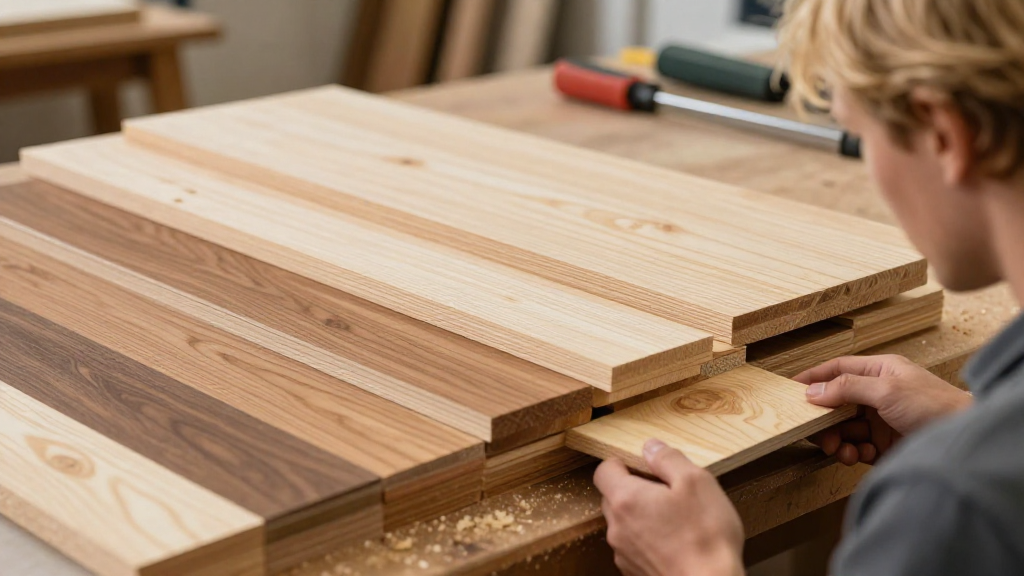
Understanding the types of plywood is essential for anyone involved in construction, woodworking, or DIY projects.
In this comprehensive guide, we will delve into various types of plywood, their characteristics, and suitable applications.
What Are the Different Types of Plywood Explained?
Plywood is a versatile engineered wood product made from layers of thin wood veneers.
These layers, or plies, are glued together with adjacent layers having their wood grain rotated up to 90 degrees.
This arrangement not only enhances the strength of the material but also reduces the likelihood of warping and cracking.
Below, we will explore the most common types of plywood, detailing each type’s specific attributes and best use cases.
1. What is Softwood Plywood?
Softwood plywood is made primarily from coniferous trees like pine, spruce, and fir.
Its characteristics include:
- Lightweight: Softwood plywood is generally lighter than hardwood plywood.
- Cost-effective: It often comes at a lower price point.
- Versatile: Ideal for a range of applications from construction to furniture.
Uses:
– Framing
– Subflooring
– Sheathing
– Furniture-making
– Cabinetry
2. What is Hardwood Plywood?
Hardwood plywood is manufactured from deciduous trees like oak, maple, and birch.
This type of plywood is known for its:
- Durability: Hardwoods are generally more durable than softwoods.
- Aesthetic appeal: The rich grain patterns provide a beautiful finish.
- Strength: It offers better load-bearing capabilities.
Uses:
– High-end furniture
– Cabinetry
– Decorative veneers
– Musical instruments
3. What is Marine Plywood?
Marine plywood is a specialized type designed for use in high-moisture environments.
It stands out due to its:
- Waterproof properties: Specifically treated to resist moisture and prevent delamination.
- High-quality veneers: Made from durable woods that can handle wet conditions.
- Strong adhesives: Often uses waterproof adhesives in its construction.
Uses:
– Boats
– Docks
– Marine applications
– Outdoor furniture
4. What is Exterior Plywood?
Exterior plywood is weather-resistant and suitable for outdoor use.
Key features include:
- Weather-proof: Treated to resist water infiltration and fungal growth.
- Versatility: Suitable for a variety of outdoor applications.
- Strong bond: Uses waterproof adhesives for added durability.
Uses:
– Siding
– Roofing
– Outdoor projects
– Temporary structures
5. What is Interior Plywood?
Interior plywood is ideal for indoor applications, featuring:
- Less treatment: Not designed to withstand moisture exposure.
- Smooth surfaces: Often sanded for a better finish, making it favorable for indoor aesthetics.
- Cost-effective: You can often find it at a lower price compared to exterior-grade plywood.
Uses:
– Indoor furniture
– Cabinetry
– Paneling
– Decorative projects
6. What is Structural Plywood?
Structural plywood is designed for load-bearing applications.
It’s identified by its:
- High strength: Capable of handling significant weight.
- Durability: Manufactured to meet strict building regulations.
- Performance: Specifically engineered to withstand various stresses.
Uses:
– Floor systems
– Roof sheathing
– Wall panels
– Scaffolding
7. What is Beech Plywood?
Beech plywood is created using beech wood, a type of hardwood.
Notable attributes include:
- Consistency: Uniform grain with fewer knots and defects.
- Stiffness: Good weight-bearing capabilities.
- Ease of staining: Takes finishes well, making it suitable for aesthetic applications.
Uses:
– Furniture
– Slatted beds
– Musical instruments
– Flooring applications
8. What is Birch Plywood?
Birch plywood is universally acknowledged for its smooth surface and durability.
Its characteristics consist of:
- High strength-to-weight ratio: Good for strength without added weight.
- Aesthetic appeal: The fine grain makes it an excellent choice for visible surfaces.
- Stability: Less likely to warp or crack over time.
Uses:
– Cabinets
– Artwork displays
– Custom projects
– Toys
9. Is There a Difference Between Plywood Grades?
Yes, plywood is graded based on its quality, which includes factors like appearance and structural integrity.
The grading system typically includes:
- A Grade: Smooth surface, minimal imperfections; ideal for cabinetry and furniture.
- B Grade: Slightly more imperfections; still usable for furniture-making.
- C Grade: Used where appearance is less important; often employed in subflooring.
- D Grade: Heavier defects; may be suitable for construction and structural purposes only.
10. Which Type of Plywood Should You Choose?
Selecting the appropriate type of plywood depends on your project needs.
Considerations include:
- Budget: Softwood plywood is generally more affordable than hardwood variants.
- Environmental exposure: For outdoor projects, opt for marine or exterior plywood.
- Appearance: If aesthetics matter, hardwood plywood provides an attractive finish.
- Load-bearing requirements: For structural applications, prioritize structural plywood.
Conclusion: Why Knowing the Types of Plywood is Essential
Familiarizing yourself with the types of plywood explained in this guide can tremendously benefit your project planning and execution.
Choosing the right type of plywood ensures your projects are well-constructed, durable, and visually appealing.
With the correct knowledge in hand, you can make informed decisions for your woodworking needs and confidently embark on your next DIY project or professional endeavor.
Final Thoughts
Always consult with local suppliers to find the most suitable type of plywood for your needs.
Explore samples, consider the grades, and choose a high-quality material that promises longevity and satisfaction.
This understanding will not only help you save money but also enhance the quality of your work.