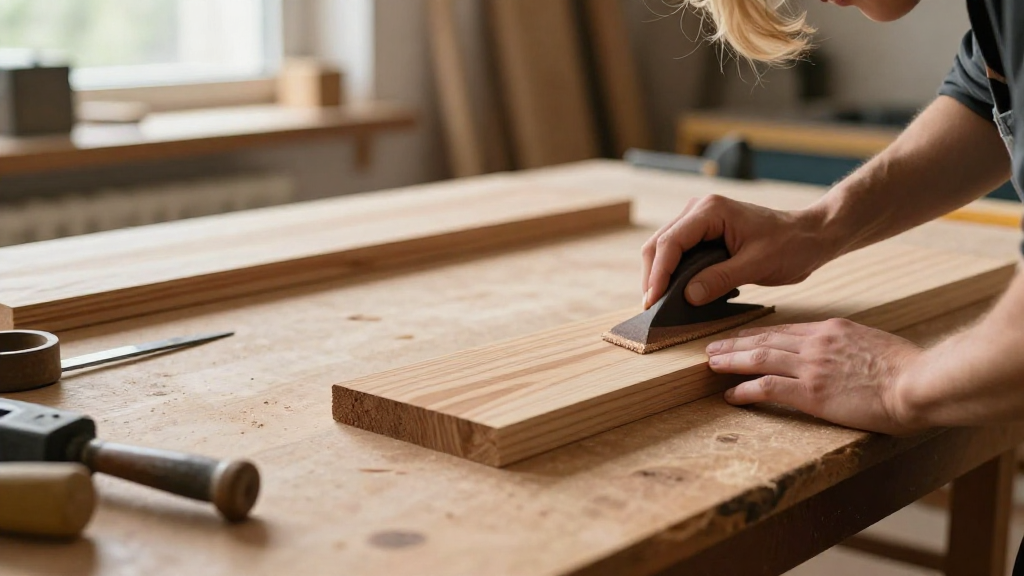
Using reclaimed wood safely is crucial for any woodworking project, ensuring both health and environmental sustainability.
What is Reclaimed Wood?
Reclaimed wood refers to timber that has been salvaged from old buildings, barns, and other structures. This type of wood offers unique character and history that new lumber often lacks.
Why Choose Reclaimed Wood?
-
Sustainability:
– Using reclaimed wood helps reduce deforestation.
– It lowers the carbon footprint associated with producing new wood products. -
Character:
– Each piece of reclaimed wood has its own unique textures and colors.
– It often comes with a story, giving your projects a vintage feel. -
Quality:
– Often, reclaimed wood comes from old-growth trees, making it denser and more durable.
– It may have natural resistance to pests due to its age.
How Can You Ensure Safe Use of Reclaimed Wood?
Using reclaimed wood safely involves several steps. Here are key considerations and practices to keep in mind:
Is the Wood Free from Toxic Chemicals?
-
Inspect for Treatments:
– Some reclaimed wood may have been treated with toxic substances like lead paint, or preservatives such as pentachlorophenol.
– Always ask about the wood’s history and prior treatments. -
Testing for Chemicals:
– Use a lead testing kit if you suspect the wood is painted or stained.
– For wood treated with chemicals, consider not using it for indoor projects, especially where food will be prepared.
How Do You Prepare Reclaimed Wood?
-
Clean Thoroughly:
– Wash the wood with mild soap and water to remove dirt and contaminants.
– Use a soft brush to scrub crevices. -
Sand and Finish:
– Sand down rough surfaces and edges to avoid splinters.
– Use a respirator and goggles during this process to protect yourself from dust. -
Seal the Surfaces:
– After sanding, apply a non-toxic sealant to preserve the wood and prevent any lingering chemicals from leaching out.
– This is particularly important for wood used in furniture, cabinetry, or children’s toys.
What Safety Gear Should You Use?
When using reclaimed wood safely, personal protective equipment (PPE) is essential. Here are the key items you should consider:
-
Respirator:
– Protects you from inhaling dust and potential fumes. -
Safety Glasses:
– Shields your eyes from flying debris and dust. -
Gloves:
– Prevents splinters and protects your skin from irritants. -
Ear Protection:
– Optional, but may be necessary if you’re using power tools that generate high noise levels.
How Do You Identify Structural Integrity?
Before diving into your woodworking project, ensure that the reclaimed wood is structurally sound.
-
Examine for Cracks:
– Check for large cracks or splits that could compromise stability. -
Look for Signs of Damage:
– Check for rot, termites, or mold. If you notice it, it may be best to discard that piece. -
Check Moisture Content:
– Use a moisture meter to ensure that the wood is adequately dried.
– High moisture content can lead to warping or splitting later on.
How Can You Source Reclaimed Wood Safely?
Finding reclaimed wood involves some effort, but sourcing it correctly is key to using reclaimed wood safely.
-
Local Salvage Yards:
– Explore local stores or online marketplaces that specialize in reclaimed wood.
– Ensure they provide certifications regarding the wood’s safety and history. -
Building Demolition Companies:
– Many companies specialize in deconstructing buildings and salvaging materials.
– Contact them to learn about available types of wood. -
Reclaimed Wood Suppliers:
– Look for businesses that offer well-documented claims on the reclaimed wood they sell.
– These sources typically test their materials for safety and quality.
What Tools Are Best for Working with Reclaimed Wood?
-
Standard Woodworking Tools:
– A circular saw, a miter saw, and a jigsaw are must-haves. -
Sanders:
– Choose a random orbital sander for smoother finishes. -
Drills and Fasteners:
– Use screw and nail types suited to reclaimed wood to ensure a sturdy build. -
Finishing Tools:
– Brushes and sprayers for applying finish and sealers.
How to Maintain Projects Made with Reclaimed Wood?
Once you’ve crafted your project with reclaimed wood, maintenance is essential for longevity and safety.
-
Regular Cleaning:
– Use a damp cloth to remove dust and grime and avoid harsh chemicals. -
Reapply Finish:
– Depending on usage, you may need to reapply the sealant or finish every year or two to protect the wood. -
Inspect for Wear:
– Regularly check the integrity of the wood and look for any signs of decay or damage.
Conclusion
Using reclaimed wood safely can lead to beautiful, unique woodworking projects while also promoting sustainability.
By following best practices, you can avoid potential hazards and ensure that your projects are both safe and long-lasting.
Always remember to ask questions, do research, and prioritize safety when working with reclaimed wood.
In doing so, you not only create stunning pieces but also contribute to a more sustainable future in woodworking.