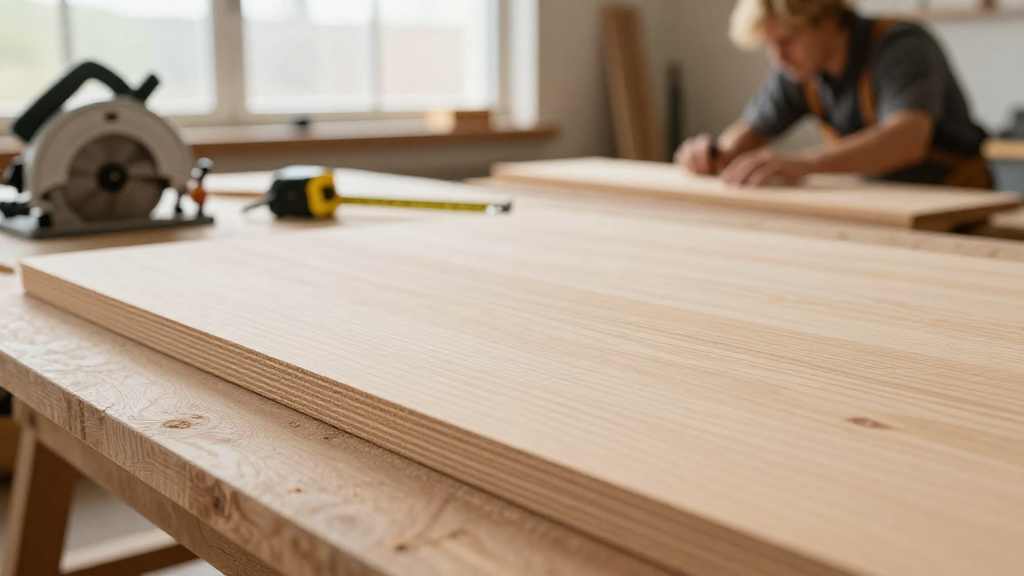
When you’re looking for versatile wood for your next project, understanding what is MDF wood will help you make informed decisions.
What Is MDF Wood?
MDF, or Medium Density Fiberboard, is an engineered wood product made from wood fibers, wax, and resin.
It is created by breaking down hardwood and softwood into wood fibers, combining them with adhesives, and then applying heat and pressure to form panels.
MDF is known for its smooth surface and uniform density, making it an ideal choice for many applications.
But when should you actually use MDF wood? Let’s dive into some common questions to better understand this material.
What Are the Advantages of MDF Wood?
MDF wood comes with several advantages, making it an attractive choice for various projects.
Here are some of the key benefits:
- Smooth Surface: The surface of MDF is smooth and free from knots, which makes it perfect for painting and veneering.
- Cost-Effective: Compared to solid wood, MDF is often more affordable, making it an economical choice for budget-conscious projects.
- Easy to Work With: MDF can be easily cut, shaped, and drilled. It doesn’t splinter as easily as plywood when you cut it.
- Versatile: This engineered wood can be used in furniture, cabinetry, decorative moldings, and more.
- Stable: MDF is less likely to warp or crack compared to solid wood, especially in humid conditions.
What Are the Disadvantages of MDF Wood?
Despite its many advantages, there are some disadvantages to consider when deciding whether to use MDF wood:
- Weight: MDF is denser and heavier than many solid woods, which can be a downside for large pieces.
- Moisture Sensitivity: MDF is not water-resistant. Exposure to moisture can lead to swelling and damage unless you use moisture-resistant MDF.
- Limited Structural Strength: While MDF is good for flat surfaces, it may not be suitable for load-bearing applications.
- Toxic Fumes: The adhesives used in making MDF can release formaldehyde, so it’s essential to ensure proper ventilation when cutting or sanding.
When Should You Use MDF Wood?
Now that we’ve established what MDF wood is and its pros and cons, let’s discuss when to use it.
Ideal Applications for MDF
MDF is suitable for a variety of applications, including:
-
Cabinetry and Furniture: The smooth surface of MDF makes it ideal for painting and finishing, making it a popular choice for cabinets, desks, and shelves.
-
Decorative Molding: Crown molding, baseboards, and other trim work can benefit from MDF’s smooth finish and detailed machining.
-
Signage: Because it can be easily painted and has a smooth surface for graphics, MDF is commonly used for indoor signs.
-
Paneling: MDF can effectively be used for wall paneling and wainscoting, providing a clean, modern look.
-
Craft Projects: Its versatility makes it a favorite for craft projects such as model building and decorative items.
What Are Alternatives to MDF Wood?
If you’re considering what is MDF wood but are unsure if it’s right for your project, other materials might fit your needs better.
Here are a few common alternatives:
-
Plywood: Stronger and more moisture-resistant than MDF but may have visible wood grain. Great for structural applications.
-
Particleboard: Cheaper than MDF but not as stable. Suitable for hidden applications like the insides of cabinets.
-
Solid Wood: Offers natural beauty and strength but can be more expensive and subject to warping.
-
HDF (High-Density Fiberboard): Similar to MDF but denser, HDF is often used for laminate flooring.
How Do You Work with MDF?
If you choose to use MDF wood, here are some tips for working with it effectively.
Cutting MDF
- Use a sharp high-tooth-count blade to avoid rough edges.
- Cut in a well-ventilated area to minimize exposure to dust.
- Always wear a mask to protect against fine dust particles.
Joining MDF
- For a stronger hold, consider using wood glue along with screws.
- Pre-drill screw holes to prevent splitting.
Finishing MDF
- Seal the edges to prevent moisture absorption.
- Use primer before painting to achieve a smooth finish.
Painting MDF
- Use a high-quality acrylic paint for the best results.
- Consider using a spray paint for a flawless finish, especially on intricate moldings.
Conclusion
In conclusion, understanding what is MDF wood plays a significant role in selecting the right materials for your projects.
MDF wood is an exceptional option for various applications due to its flexibility, smooth finish, and affordability.
With its many advantages, MDF can enhance both functionality and aesthetics in your work.
However, it is essential to weigh the disadvantages and consider alternative materials depending on your specific needs.
By keeping these facts in mind, you’ll be well-equipped to choose the best material for your upcoming projects.
Whether you’re crafting furniture, decorating your home, or tackling a DIY project, MDF wood might just be the perfect solution.