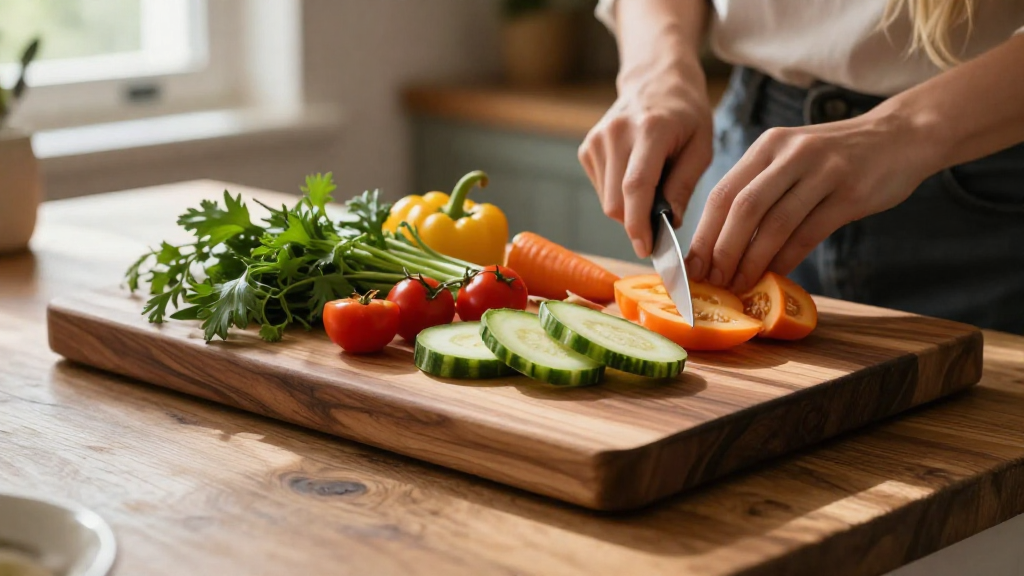
When it comes to creating the perfect cutting board, selecting the best wood for cutting boards is essential for both the longevity and safety of the board.
Why Is Wood Type Important for Cutting Boards?
Choosing the best wood for cutting boards can impact your knife’s longevity, the flavor of your food, and even the appearance of your kitchen. Here are some reasons why the wood type matters:
- Durability: Certain woods are more resistant to wear and tear.
- Knife Friendly: Softer woods prevent dulling of knives.
- Hygienic Properties: Some woods are naturally antibacterial.
- Aesthetic Appeal: Different woods offer varied colors and grains.
What Are the Best Woods for Cutting Boards?
When considering the best wood for cutting boards, there are several commonly recommended types. Here’s a breakdown of those woods along with their benefits:
1. Maple
- Benefits:
- Hard and durable, making it long-lasting.
- Offers a fine, consistent grain that is gentle on knife edges.
- Light color gives a bright cosmetic appeal.
- Notes:
- Sugar maple is particularly popular for its hardness.
2. Walnut
- Benefits:
- A beautiful, dark wood that stands out in any kitchen.
- Naturally antibacterial properties help keep the board hygienic.
- Soft enough to prevent dulling knife blades.
- Notes:
- Although slightly softer than maple, walnut can still be very durable.
3. Cherry
- Benefits:
- Warm color that deepens over time, adding beauty to your kitchen.
- Smooth texture is easy on knives and prevents scratches.
- Contains natural oils that help resist moisture.
- Notes:
- Offers a unique appearance that makes each board one-of-a-kind.
4. Teak
- Benefits:
- Highly resistant to moisture and bacteria due to its natural oils.
- Durable and strong, making it great for heavy-duty use.
- Exotic look with rich colors and grains.
- Notes:
- Can be pricier but is often seen as worth the investment.
5. Bamboo
- Benefits:
- Eco-friendly alternative, made from a renewable resource.
- Hard and dense, providing durability.
- Naturally resistant to bacteria.
- Notes:
- Not technically a wood but a grass, yet it’s a popular choice.
What Should You Avoid in Cutting Board Woods?
While several woods are excellent choices, some should be avoided for cutting boards due to their properties. Here’s a quick list:
- Soft Woods (like Pine):
-
These can easily scratch and harbor bacteria.
-
Oily Woods (like Cocobolo):
-
They can transfer flavors and are difficult to glue.
-
Fruit Woods (like Apple and Cherry):
- They can harbor contamination and produce off-flavors.
How to Maintain Your Cutting Board?
Selecting the best wood for cutting boards is just the first step. Maintaining it is equally crucial. Here are key maintenance tips:
- Regular Oil Application:
-
Use food-safe mineral oil to hydrate wood and prevent cracking.
-
Cleaning:
-
Wash with warm, soapy water and dry immediately. Avoid submerging in water.
-
Sanitization:
-
Occasionally, use a mixture of vinegar and water or hydrogen peroxide to sanitize.
-
Scratching:
- Try to minimize deep cuts or scratches. This can harbor bacteria.
Can I Use My Cutting Board for All Foods?
Yes, but with some considerations. Here’s what to keep in mind:
- Cross-Contamination:
-
Use separate boards for meats and vegetables if possible to avoid cross-contamination.
-
Hard Foods:
- Avoid cutting very hard foods on wooden boards to prevent gouging.
What Is the Best Thickness for Cutting Boards?
The thickness of your cutting board also plays a crucial role. Standard cutting boards typically range from 1 to 2 inches thick. Here’s why thickness matters:
- Stability: Thicker boards are less likely to warp and provide a solid feel when chopping.
- Durability: Thicker wood absorbs the impact of chopping better and lasts longer.
Conclusion: What’s the Best Wood for Cutting Boards?
In summary, the best wood for cutting boards largely depends on your personal preference and usage.
Maple, walnut, cherry, teak, and even bamboo all have unique advantages.
When selecting the right wood, consider durability, aesthetic appeal, and maintenance.
Ensuring proper care and choosing a board based on your cooking habits will lead to a kitchen tool that not only lasts longer but also enhances your culinary experience.
Whether you’re a professional chef or a home cook, the right cutting board can make all the difference in your kitchen.