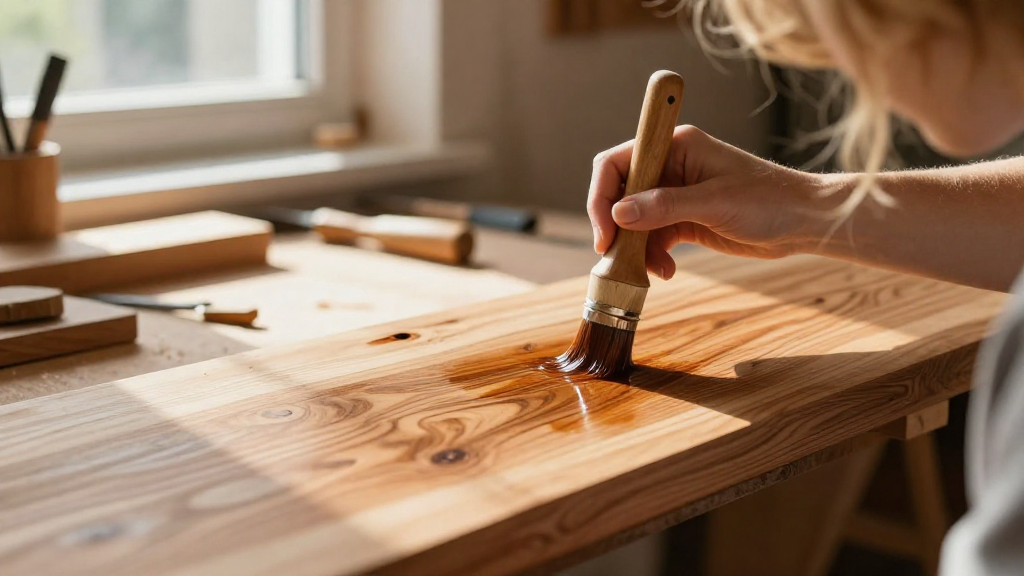
Staining wood evenly is an essential skill for DIY enthusiasts and professional woodworkers alike.
Achieving a uniform finish can enhance the beauty of your wood projects, ensuring that they look polished and professional.
If you’ve ever experienced blotches or uneven stains on your wood, this guide will provide you with helpful tips and techniques on how to stain wood evenly.
What Causes Blotches When Staining Wood?
Before diving into the methods of staining wood evenly, it’s important to understand why blotching occurs.
Blotches are often a result of:
-
Wood Type: Some wood species, like pine or birch, are more prone to splotchiness due to their grain structure.
-
Moisture Content: Variations in moisture levels can lead to uneven absorption of stain.
-
Application Method: The technique you use when applying the stain can significantly affect the final outcome.
Addressing these factors is key to achieving an even stain finish.
How Do I Prepare Wood for Staining Evenly?
Proper preparation is crucial when learning how to stain wood evenly.
Here’s how to prepare your wood for staining:
-
Sand the Surface:
– Start with coarse sandpaper (around 80-grit) and progress to finer grades (220-grit).
– Always sand in the direction of the grain to avoid scratches.
– This creates a smooth surface that will absorb stain more evenly. -
Clean the Surface:
– Use a vacuum or a tack cloth to remove dust and debris.
– A clean surface is essential for even absorption. -
Use a Wood Conditioner:
– Apply a pre-stain wood conditioner, especially on soft or porous woods.
– This helps to seal the wood and promotes uniform absorption of the stain.
Which Stain Type Is Best for Even Application?
When considering how to stain wood evenly, the type of stain you choose matters.
Here are some popular options, along with their attributes:
-
Oil-Based Stains:
– Known for deep penetration.
– Generally provides a rich finish.
– Longer drying time allows you to work with it more effectively. -
Water-Based Stains:
– Quick drying and easy to clean up.
– Excellent for detailed work as they do not raise wood grain as much.
– Can sometimes lead to more blotching on softwoods. -
Gel Stains:
– Thick consistency prevents excessive penetration.
– Useful for vertical surfaces to prevent drips and runs.
– Great for achieving an even finish on tricky surfaces.
Which Application Method Ensures Even Staining?
Your application method can greatly influence the outcome when learning how to stain wood evenly.
Here are some tried and tested techniques:
-
Brush:
– Use a high-quality natural bristle brush, and apply the stain generously.
– Work in small sections to avoid drying before you can wipe off any excess. -
Lambswool Applicator:
– Ideal for larger surfaces and can help distribute the stain evenly.
– Follow the wood grain for the best results. -
Cloth Application:
– Use an old cloth to apply stain for a more hands-on approach.
– Remember to wear gloves and work in small sections.
Regardless of the chosen method, make sure to:
- Apply in Thin Coats: Multiple thin coats provide more control over the final appearance.
- Wipe Off Excess: After applying, always wipe off excess stain to avoid uneven blotches.
How Long Should You Wait Before Applying a Second Coat?
Timing is essential when considering how to stain wood evenly.
Here’s what you need to know:
- Drying Time: Follow the manufacturer’s instructions for drying times between coats.
- Touch Test: Perform a touch test. If it feels tacky, it is likely not ready for a second coat.
- Observation: Ensure that the first coat is fully dry before applying the second for the best adhesion.
Can You Fix Blotchy Stains After Application?
If you find yourself with a blotchy stain finish, fear not. Here are some ways to correct it:
-
Sand and Re-Stain:
– For severe blotching, lightly sand the affected areas, clean, and reapply stain. -
Use a Glaze:
– A glaze can be applied over the stained wood to even out the color and hide imperfections. -
Apply a Clear Coat:
– Sometimes, applying a clear finish can mellow out blotches and unify the appearance.
Are There Additional Tips for a Perfect Finish?
Certainly! To further ensure you achieve an even stain, consider the following tips:
-
Test the Stain First: Always test your stain on a scrap piece of the same wood to preview the effect.
-
Environment Matters: Stain in a well-ventilated area with stable temperatures to avoid rapid drying, which can lead to blotches.
-
Be Mindful of Grain Direction: When applying and wiping off the stain, always work with the grain to avoid streaks.
-
Consider Climate Factors: Humidity and temperature can affect drying times; adjust your technique accordingly.
Final Thoughts
Staining wood evenly may seem challenging, but with the right techniques, it is certainly achievable.
By understanding how to prepare your wood, choosing the best stain, and applying it properly, you can avoid blotches and attain a beautiful, uniform finish.
Remember to practice patience and take the time to understand how how to stain wood evenly resonates with your specific project.
Incorporate these tips during your next woodworking endeavor, and enjoy the stunning results of your handiwork!