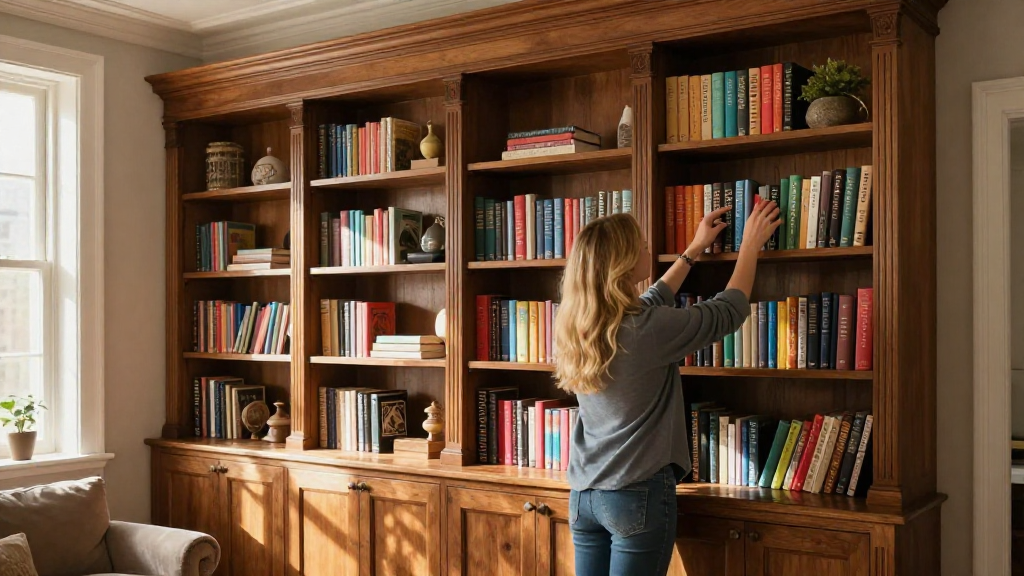
Building built-in bookshelves is a rewarding DIY project that enhances the aesthetic and functionality of any space.
In this article, we’ll explore everything you need to know about building built-in bookshelves, from planning and measuring to installation and finishing touches.
What Makes Built-in Bookshelves Special?
Building built-in bookshelves offers unique benefits that standard freestanding units cannot match.
Here are some reasons why you should consider custom built-ins:
-
Space Optimization: Built-in bookshelves can be tailored to fit any nook and cranny, maximizing every inch of available space.
-
Cohesive Design: They seamlessly integrate with your home’s architecture, providing a polished and unified look.
-
Increased Value: Well-designed built-ins can raise the value of your home, making it more attractive to potential buyers.
How Do You Plan for Building Built-in Bookshelves?
Planning is crucial for successful construction.
Here are the steps to follow:
-
Identify the Location:
– Choose a wall in your home where built-in bookshelves will fit well.
– Consider sunlight, accessibility, and adjoining space. -
Measure the Space:
– Measure the height, width, and depth of the area.
– Ensure your dimensions accommodate the types of books and items you intend to display. -
Design the Layout:
– Decide on the number of shelves and their spacing.
– Consider incorporating additional features such as lighting, decorative molding, or lower cabinets. -
Create a Sketch:
– Draft a basic layout that outlines your measurements and design elements.
– Use software or graph paper to visualize your built-in bookshelves’ aesthetics and functionality.
What Materials Do You Need for Building Built-in Bookshelves?
The materials you select will determine the look, durability, and ease of construction for building built-in bookshelves.
Essential materials include:
-
Plywood or MDF: The main material for the shelves. Plywood is sturdier, while MDF is less expensive and provides a smooth finish.
-
Wood Glue & Screws: For joining various elements seamlessly.
-
Wood Finish or Paint: To create a polished look that complements your home décor.
-
Brackets and Supports: Additional support may be necessary for wider shelves.
-
Trim and Molding: For adding depth and detail to your built-ins.
How Do You Construct Built-in Bookshelves Step by Step?
Now that you have your materials and a plan, you can start building built-in bookshelves.
Follow these steps:
Step 1: Prepare Your Area
-
Clear the Space: Remove any furniture, decor, and obstacles from the area.
-
Patch and Paint: If the wall requires patching or a fresh coat of paint, take care of it before construction.
Step 2: Build the Base
-
Create a Sturdy Base: Cut plywood or MDF to create a base shelf that serves as the foundation for your built-ins.
-
Attach the Base: Securely fasten the base to the wall using wood screws and brackets for stability.
Step 3: Construct Side Panels
-
Cut Side Panels: Measure and cut plywood or MDF for the side panels of your built-in bookshelves.
-
Secure Side Panels: Attach each side panel to the wall and to the base using screws. Ensure they are plumb (vertically straight).
Step 4: Install the Shelves
-
Mark Shelf Heights: Decide the heights where you want your shelves to go. Use a level to ensure they are evenly spaced.
-
Cut and Fit Shelves: Cut each shelving board to match the width. Secure the boards using brackets or wood dowels for added support.
Step 5: Add Backing
-
Measure a Backboard: If desired, cut a piece of plywood to serve as a back to your bookshelves, providing a clean look.
-
Attach the Backboard: Secure it to the back of the built-ins for stability.
Step 6: Finishing Touches
-
Install Trim and Molding: Enhance the aesthetics by adding crown molding or trim to the top and bottom.
-
Sand and Finish: Sand any rough edges and apply your chosen finish or paint to complete the look.
-
Add Lighting: Consider installing LED strips or recessed lighting to create ambiance and highlight your book collection.
What Are the Common Mistakes When Building Built-in Bookshelves?
Avoiding pitfalls is essential for a successful project.
Common mistakes include:
-
Poor Measurements: Always double-check before cutting materials.
-
Neglecting Weight: Ensure your shelves can handle the weight of books and decorative items.
-
Skipping the Finish: Not finishing your built-ins can lead to a less polished appearance.
Why Should You Consider DIY for Building Built-in Bookshelves?
Opting for a DIY approach can save you money and allow for customization.
-
Cost Savings: Hiring a professional can be costly; purchasing materials and doing the work yourself is more affordable.
-
Personal Touch: Building built-in bookshelves by yourself allows for a personal touch that reflects your style and needs.
How To Maintain Your Built-in Bookshelves for Longevity?
Keeping your built-in bookshelves in prime condition is key for long-lasting enjoyment.
Follow these maintenance tips:
-
Dust Regularly: Use a soft cloth to dust shelves weekly and prevent build-up.
-
Avoid Overloading: Maintain weight limits to prevent sagging and damage.
-
Check for Repairs: Regularly inspect for signs of wear and touch up any scuffs or scratches promptly.
Conclusion
Building built-in bookshelves can transform your living space into a functional, aesthetically pleasing environment.
With careful planning, preparation, and execution, you can create custom shelves that not only store your books but also enhance your home’s overall design.
Remember to maintain your built-ins for long-term satisfaction, making them a cherished part of your home for years to come.
Are you ready to start building built-in bookshelves that reflect your personal style? Grab your tools and materials, and let your creativity shine!