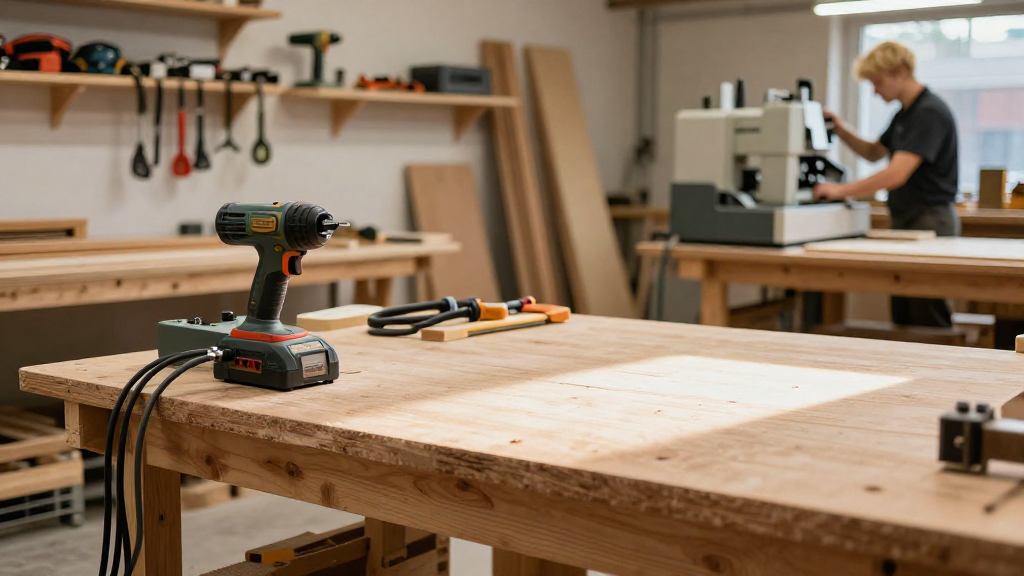
When it comes to creating a functional woodworking shop, the workshop electrical setup essentials are crucial for safety, efficiency, and productivity.
What Are the Key Elements of a Workshop Electrical Setup?
A well-designed electrical setup can make a significant difference in your woodworking experience. Here’s a breakdown of essential elements for an effective workshop electrical setup.
1. Electrical Load Assessment
Before diving into any installations, always assess your electrical load.
Consider the following:
- Tools: List all tools you plan to use and their power requirements.
- Workstations: Identify how many workstations you’ll need to power.
- Future Needs: Anticipate potential future tools and machinery.
This assessment will help you determine the required amperage and the size of circuits you need.
2. How Many Circuits Do You Need?
The number of circuits is determined by the tools and equipment.
- Dedicated Circuits: Large machines such as table saws and lathes often require dedicated circuits.
- General Circuits: Smaller tools like drills and sanders may share circuits.
- Total Circuits: As a rule of thumb, have separate circuits for high-demand tools to prevent overloads.
3. What Type of Outlets Should You Install?
Choosing the right outlets is key to ensuring safety and functionality.
- 20-Amp Outlets: Use these for most woodworking tools.
- 240-V Outlets: Required for heavier machinery.
- GFCI Outlets: Install Ground Fault Circuit Interrupters in areas prone to moisture to prevent electric shock.
4. Is Your Electrical Wiring Adequate?
When planning your workshop electrical setup essentials, make sure your wiring can handle the load.
- Wire Gauge: Using the appropriate wire gauge is crucial.
- For circuits up to 20 amps, a 12-gauge wire is typical.
-
For circuits above 20 amps, consult a professional electrician for appropriate gauge sizes.
-
Quality of Wiring: Ensure that the wiring is in good condition.
- Voltage Drop: Keep wiring runs as short as possible to minimize voltage drop.
5. How Should You Arrange the Wiring Layout?
A well-planned wiring layout can enhance workflow and safety.
- Ceiling-Mounted Wiring: Keep cords off the ground to avoid tripping hazards.
- Surface-Mounted Wiring: Use conduits for easy access and protection of wires.
- Flexible Power Supply: Consider installing retractable cords for added convenience.
6. What Lighting Is Necessary in a Woodworking Shop?
Good lighting is an often-overlooked aspect of a workshop electrical setup.
- Natural Light: Incorporate windows or skylights if possible.
- Task Lighting: Install bright, adjustable task lights over workstations.
- Ambiance Lighting: Use overhead lights for general illumination.
7. Should You Invest in a Power System?
A power distribution system can help manage your workflow.
- Power Panels: Ensure your panel has enough capacity for all your needs.
- Power Strips: Use high-quality, heavy-duty power strips for additional outlets.
- Convenience: Consider strategically placing outlets for easy access.
8. How Important Is Safety Equipment in Your Electrical Setup?
Safety should always come first.
- Fuses and Breakers: These protect your equipment from power surges.
- Emergency Shut-off: Install accessible shut-off switches for emergencies.
- Smoke Alarms: These should be installed and tested regularly.
9. Are There Any Local Codes to Consider?
Before working on your electrical setup, check with local building codes.
- Regulations: These codes ensure that installations meet safety requirements.
- Permits: Some installations may require permits or inspections.
10. What Maintenance Is Needed for Your Electrical Setup?
Regular maintenance can ensure your workshop operates smoothly.
- Inspection: Routinely check for frayed wires or faulty outlets.
- Cleaning: Keep the electrical panel clean and free of dust.
- Upgrades: Evaluate your setup periodically and upgrade as needed.
Final Thoughts: Why Is a Good Electrical Setup Essential?
In conclusion, understanding the workshop electrical setup essentials is paramount for any woodworker.
From assessing electrical loads to planning for adequate lighting, a proper electrical setup not only enhances productivity but also creates a safer working environment.
By investing time and resources into a thoughtful electrical plan, you can enjoy your woodworking tasks without concern for electrical safety or efficiency.
Get started on your workshop electrical setup essentials today, and take your woodworking to the next level!
If you need more information or assistance, consider consulting with a professional electrician to ensure your workshop meets all safety standards and functions effectively.
Quick Checklist for Electrical Setup Essentials:
- Assess electrical load
- Determine number of circuits
- Choose proper outlets
- Evaluate wiring adequacy
- Plan wiring layout
- Install appropriate lighting
- Consider a power distribution system
- Prioritize safety equipment
- Check local building codes
- Schedule regular maintenance
Use This Guide to Create Your Ideal Workshop!
By following these guidelines, you can ensure your woodworking shop is safe, efficient, and ready for any project. Happy woodworking!