The right heavyweight fusible interfacing can give bags, collars, garments, quilts, and craft projects the structure they need without adding unnecessary bulk. The options in this roundup include woven cotton, non-woven polyester, fleece, and stabilizer formats in a range of widths and roll lengths.
Use the comparison and buying advice below to match your project with the right weight, bonding method, coverage, and finish.
Best 10 Heavyweight Fusible Interfacing Picks for 2026
Best Cotton Yardage
Heavyweight Woven Cotton Interfacing

- Pure cotton woven backing
- 44-inch by 2-yard format
- Wash-resistant, iron-on application
Best For: Garments and larger cotton-backed sewing projects
Best Firm Stabilizer
Pellon 731 Heavyweight Stabilizer

- Firm and distortion-resistant
- 100% polyester construction
- Washable 15-by-36-inch package
Best For: Structured projects needing stable support
Best Compact Polyester Option
Heat'n Bond Heavy Weight Interfacing

- White polyester construction
- 20-by-36-inch sheet
- Durable and water resistant
Best For: Contained fabric projects needing durable support
Best Long Roll
Heavyweight Woven Cotton Interfacing
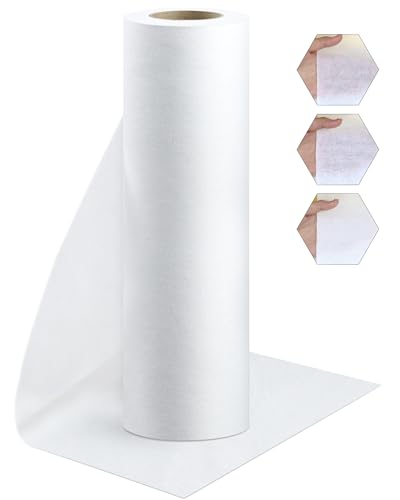
- 10 yards of 100% cotton material
- Single-sided iron-on adhesive
- Machine-washable durability
Best For: Frequent sewing, quilting, and garment projects
Soft-Loft Quilting Support

- Soft, cushioned loft
- 10-yard bolt
- Machine washable
Best For: Quilts, tote bags, and padded home décor
Strong Garment Stabilization

- Firm 100g support
- 30.6-yard length
- Trim-to-size material
Best For: Collars, bags, wallets, and garment details
Bulk Sewing Versatility
PLANTIONAL Non-Woven Interfacing

- 30-yard roll
- Durable polyester material
- Black and white options
Best For: Garments, crafts, and home décor projects
Best for Medium-to-Large Sewing Projects
ZOMONETI Heavyweight Fusible Interfacing

- 17.5-inch by 10-yard roll
- Washable polyester construction
- Suitable for garments, bags, and quilting
Best For: Medium-to-large sewing and craft projects
Best Wide-Cut Option
40-Inch Heavyweight Fusible Interfacing

- Extra-wide 40-inch material
- 2-yard length for focused projects
- Heat-activated, washable support
Best For: Wide garment panels and reinforced details
Best for Bulk Sewing
PLANTIONAL Heavyweight Fusible Interfacing

- 16.5-inch by 30-yard roll
- Soft, sturdy polyester material
- Suitable for garments and crafts
Best For: Frequent sewing, quilting, and craft projects
Best Cotton Yardage – Heavyweight Woven Cotton Interfacing
For projects that need a natural-fiber backing and generous coverage, this heavyweight fusible interfacing combines woven cotton with heat-activated application. Its 44-inch width and 2-yard length suit garments and larger crafts.
Best For: Garments, canvas-style projects, and sewing work where washable cotton support is useful.
Pros:
- Made from pure cotton for a soft, reliable backing.
- Heat-activated adhesive simplifies application with an iron.
- 44 inches wide by 2 yards long provides substantial coverage.
- Designed to retain integrity through washing.
Cons:
- The 2-yard length may be limiting for high-volume production.
- Specific ironing temperature and pressing instructions are not provided in the supplied details.
This is a practical choice when you want heavyweight fusible interfacing with a cotton composition and enough width for broad pattern pieces. Consider the project’s fabric and required stiffness before selecting the heavy weight.
Best Firm Stabilizer – Pellon 731 Heavyweight Stabilizer
Pellon 731 Fuse-N-Shape is a heavyweight fusible interfacing for projects that need firm, distortion-resistant support. The 100% polyester material comes in a compact 15-by-36-inch package and is washable.
Best For: Structured fabric projects that benefit from a firm stabilizer resistant to distortion.
Pros:
- Firm construction helps resist distortion.
- Made from 100% polyester.
- Washable for projects requiring care with laundering.
- Made in the USA.
Cons:
- The 15-by-36-inch package offers less coverage than the larger rolls in this roundup.
- Its firm feel may be more support than lightweight or drapey fabrics need.
Choose this heavyweight fusible interfacing when shape retention matters more than maximum yardage. Its defined package size makes it especially suitable for contained projects rather than extensive cutting.
Best Compact Polyester Option – Heat'n Bond Heavy Weight Interfacing
THERMOWEB 3338 Heat'n Bond Heavy Weight Iron-On Fusible Interfacing-White 20"X36"
Check Price On AmazonTHERMOWEB Heat’n Bond 3338 offers heavyweight fusible interfacing in a 20-by-36-inch white polyester sheet. It is designed for fabric use and emphasizes durability, easy maintenance, and water resistance.
Best For: Small to medium fabric projects needing a durable white polyester interfacing.
Pros:
- Heavyweight polyester construction provides durable support.
- 20-by-36-inch format is convenient for contained projects.
- Designed for easy maintenance.
- Listed as water resistant and compatible with fabric.
Cons:
- The single 20-by-36-inch piece provides limited coverage for large projects.
- Specific application and washing instructions are not included in the supplied details.
This option fits shoppers who want a manageable piece of heavyweight fusible interfacing rather than a long roll. Its polyester construction and water-resistant listing may appeal when durability is a priority.
Best Long Roll – Heavyweight Woven Cotton Interfacing
For repeated sewing or crafting work, this heavyweight fusible interfacing provides 10 yards of 100% cotton material in a 16.1-inch width. Its single-sided adhesive bonds with heat and is designed to remain stable through machine washing.
Best For: High-yardage garment, quilting, and craft projects that use narrower fabric panels.
Pros:
- 10-yard length supports numerous projects or repeated use.
- Made from 100% cotton with a smooth foundation.
- Single-sided heat-activated adhesive simplifies installation.
- Designed to maintain bond and shape through washing.
Cons:
- The 16.1-inch width may not cover wide pattern pieces in one pass.
- The long roll may be more material than occasional users need.
This is the strongest quantity-focused pick for shoppers who regularly use heavyweight fusible interfacing. Its narrower width is worth checking against your patterns, but the 10-yard length can reduce the need for frequent reorders.
Soft-Loft Quilting Support – Heavyweight Fusible Fleece
This heavyweight fusible interfacing is a fleece-style option for projects that need both structure and cushioning. Its single-sided adhesive applies with a household iron, while the generous 10-yard bolt suits quilts, tote bags, and home décor work.
Best For: Quilts, tote bags, padded crafts, and home décor projects where soft loft matters.
Pros:
- Provides soft, cushioned support and added structure.
- Available in medium- and light-weight options for different project needs.
- Offers a 10-yard length and machine-washable care.
Cons:
- The 16.5-inch width applies to the medium-weight option; the light-weight option is narrower at 11.8 inches.
- Fleece loft may be less suitable when a thin, nearly invisible stabilizer is preferred.
Choose this option when comfort and padding are as important as stabilization. It is especially practical for sewn items that benefit from a softer, fuller finish.
Strong Garment Stabilization – 100g Fusible Interfacing
This 100g heavyweight fusible interfacing is designed for firm support without a bulky appearance. The single-sided polyester material has a heat-activated adhesive and can be trimmed for garments, accessories, and medium-to-large sewing projects.
Best For: Collars, facings, cuffs, pockets, wallets, bags, and other projects using light- to medium-weight fabrics.
Pros:
- Thickened 100g material provides firmness and structure.
- Large 11.8-inch by 30.6-yard package supports extensive projects.
- Can be cut to size and used across garments, crafts, and accessories.
- Nearly invisible on fabric according to the supplied product notes.
Cons:
- Requires a pressing cloth or Teflon cover; heat should not be applied directly.
- The listed application instructions specify a 15-second press at 140 degrees without steam.
- It is intended for light- to medium-weight fabrics rather than every fabric type.
This is a practical pick when you want firm, clean-looking reinforcement in a large quantity. Follow the pressing directions carefully to protect the fabric and adhesive.
Bulk Sewing Versatility – PLANTIONAL Non-Woven Interfacing
PLANTIONAL’s heavyweight fusible interfacing uses durable polyester non-woven material to add stability to clothing, crafts, and home décor projects. Its single-sided adhesive activates with an iron, and the 30-yard roll is suited to repeated or larger-scale sewing work.
Best For: Collars, cuffs, garments, crafts, and home décor projects needing washable, iron-on support.
Pros:
- Durable polyester non-woven construction adds structure.
- Provides a substantial 30-yard supply in an 11.6-inch width.
- Heat-activated adhesive supports straightforward iron-on application.
- Available in black and white according to the product details.
Cons:
- The supplied notes also describe it as light- and medium-weight, despite the heavyweight listing.
- The 11.6-inch width may require more piecing for wider pattern sections.
- Color availability may require choosing between black and white for the intended fabric.
This roll makes sense for sewists who prioritize quantity and broad project compatibility. Confirm the listed weight and select the color that best suits the fabric before purchasing.
Best for Medium-to-Large Sewing Projects – ZOMONETI Heavyweight Fusible Interfacing
For shoppers seeking heavyweight fusible interfacing in a practical roll size, this ZOMONETI option provides a 17.5-inch-by-10-yard sheet of white, single-sided polyester interfacing. It adds structure to sewing projects without much added bulk and can be trimmed for smaller pieces.
Best For: Medium-to-large garments, quilting, bags, collars, cuffs, and other projects needing washable reinforcement.
Pros:
- Non-woven polyester material is washable, breathable, and designed to support fabric stitching.
- Useful for collars, cuffs, pockets, waistbands, plackets, bags, quilting, and garments.
- Generous 10-yard length can be cut down for different project sizes.
- Single-sided adhesive is designed to remain nearly invisible on the fabric.
Cons:
- The 17.5-inch width may require piecing for especially wide fabric sections.
- Application requires careful placement with the adhesive dots facing the fabric.
This is a versatile choice when you want a substantial roll of heavyweight fusible interfacing for repeated apparel and craft projects, especially where added body and reinforcement are needed without excessive stiffness.
Best Wide-Cut Option – 40-Inch Heavyweight Fusible Interfacing
This heavyweight fusible interfacing offers a notably wide 40-inch format with 2 yards of material, making it useful when you need broad coverage for shirts, dresses, bags, collars, or cuffs. Its heat-activated adhesive is intended for quick iron-on bonding.
Best For: Wide garment panels, reinforced collars and cuffs, bags, and projects where minimizing seams between interfacing pieces matters.
Pros:
- 40-inch width provides ample coverage for larger fabric sections.
- Heat-activated adhesive supports quick, straightforward iron-on application.
- Designed to withstand multiple washes while maintaining support.
- Suitable for both garment sewing and craft projects.
Cons:
- The 2-yard length is shorter than the larger roll options in this roundup.
- Supplied details describe it as 50g heavy weight but do not specify a fabric fiber.
Choose this option when width is more important than roll length. Its broad format can simplify interfacing larger areas, while the wash-resistant design suits clothing and other projects intended for regular use.
Best for Bulk Sewing – PLANTIONAL Heavyweight Fusible Interfacing
For frequent sewing or craft work, this PLANTIONAL heavyweight fusible interfacing supplies a 16.5-inch-by-30-yard roll. The single-sided polyester material combines a soft feel with added structure and uses heat-activated adhesive for iron-on application.
Best For: Multiple garments, quilting, DIY crafts, and home décor projects that require a long supply of reinforcing material.
Pros:
- Generous 30-yard length is suitable for repeated projects or larger production runs.
- Soft polyester construction adds support while maintaining a smooth feel.
- Useful for garments, quilting, crafts, and home décor applications.
- Designed to retain structure through washing and regular use.
Cons:
- The 16.5-inch width may not cover wide panels in a single piece.
- The product title describes it as heavy weight while the notes also call it medium weight, so the exact firmness may warrant checking before purchase.
This is the practical pick for shoppers who expect to use heavyweight fusible interfacing often. Its long roll helps reduce the need for frequent replacements, while the washable polyester construction supports durable everyday projects.
How We Picked the Best Heavyweight Fusible Interfacing
We focused on the factors that matter most when choosing a strong iron-on stabilizer: fiber type, format, dimensions, intended use, and overall practicality. The selection includes cut packages for smaller projects as well as long rolls for apparel, bags, home décor, and repeated crafting. We also considered whether each option is woven, non-woven, fleece-based, or designed primarily for shape retention.
Because “heavyweight” can vary between manufacturers, always check the product description and test a scrap before applying interfacing to a finished piece. Fabric content, heat tolerance, and adhesive coverage can affect the final result.
Quick Comparison
| Type | Best For | Typical Advantage |
|---|---|---|
| Woven cotton | Garments, bags, structured sewing | Stable hand with a fabric-like drape |
| Non-woven polyester | General crafts and apparel support | Easy cutting and broad versatility |
| Fusible fleece | Soft bags, quilting, padded projects | Adds body with cushioning |
| Heavyweight stabilizer | Firm structure and shape control | Maximum support for selected projects |
Key Buying Factors for Heavyweight Fusible Interfacing
Material and Surface
Woven interfacing generally behaves more like fabric and is a strong choice when you want dependable dimensional stability with a relatively natural hand. Non-woven versions are often easier to cut and can work well for general reinforcement. Fleece provides softness and loft, but it is not the best choice when you need a crisp, rigid finish.
Weight and Stiffness
Choose the lightest product that delivers the support your project needs. Very firm interfacing can improve a tote, brim, or structured accessory, but may make lightweight clothing uncomfortable or difficult to sew. For collars, cuffs, waistbands, and bags, compare the interfacing’s stiffness with the fashion fabric rather than relying on the “heavyweight” label alone.
Width, Length, and Value
Short packages are convenient for occasional repairs or small projects. Ten- or thirty-yard rolls can be more economical for production sewing, costumes, quilting, or frequent crafting, but measure your pattern pieces first so you do not pay for unusable excess. Wider material can reduce seams and waste on larger panels.
Application and Compatibility
Check whether the adhesive is single-sided and follow the stated pressing temperature, pressure, and dwell time. Use a press cloth, allow the piece to cool flat, and test adhesion on a fabric scrap. Some fabrics require lower heat or a different stabilizer to avoid shine, distortion, or adhesive bleed-through.
Who Should Buy Which Heavyweight Fusible Interfacing?
Choose woven cotton Heavyweight Fusible Interfacing when you want structured support that remains fabric-like, especially for bags, tailored details, and durable apparel. Select non-woven polyester for versatile craft use, larger coverage, and straightforward cutting. Fusible fleece is better for padded totes, quilted items, and projects where softness matters. A firm stabilizer such as a heavyweight shape-support product suits accessories and panels that must hold their form.
For occasional home sewing, a smaller package offers flexibility without excess inventory. Frequent sewists, costume makers, and small businesses should consider long rolls and compare usable width, storage needs, and cost per yard. Regardless of the option, make a test bond before committing to the final fabric.