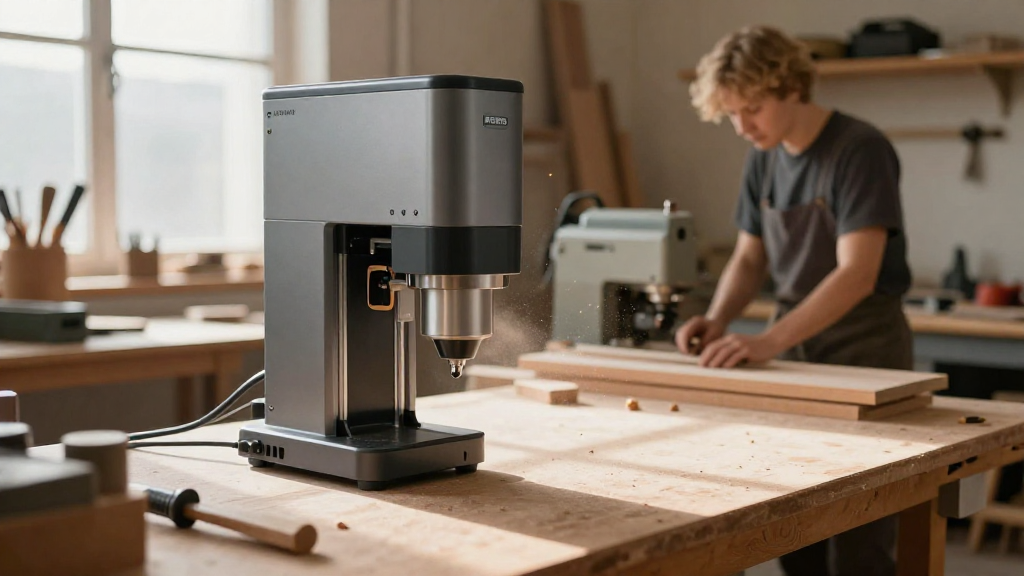
The importance of dust collection in a shop cannot be overstated.
In a woodshop, safety, cleanliness, and efficiency are paramount.
Dust and debris from woodworking create hazards that can affect both the health of the woodworker and the quality of the projects.
Let’s explore why dust collection is an essential component of any woodshop.
What Is Dust Collection?
Dust collection refers to the process of capturing and removing airborne wood particles and debris generated during woodworking activities.
These systems vary from simple shop vacuums to complex ducted systems that efficiently draw dust away from tools and work areas.
Let’s look at some key features of an effective dust collection system:
- Air Quality Improvement: Reduces airborne dust particles.
- Tool Efficiency: Keeps tools running smoothly and efficiently.
- Workspace Cleanliness: Maintains a clean and organized environment.
Why Is the Importance of Dust Collection in a Shop Vital?
What Health Risks Does Wood Dust Pose?
Wood dust is not just a nuisance; it poses serious health risks.
Inhaling fine particles can lead to various respiratory issues, including:
- Asthma and Allergies: Wood dust can trigger asthma attacks and exacerbate allergies.
- Silicosis: Certain hardwoods contain silica, leading to a progressive lung disease.
- Nasal Cancers: Prolonged exposure can increase the risk of nasal and respiratory cancers.
By implementing an effective dust collection system, you minimize the health risks associated with wood dust.
How Does Dust Affect Tool Performance?
Another reason for understanding the importance of dust collection in a shop revolves around tool performance.
Accumulated dust can lead to:
- Clogged Filters: Tool filters that become clogged impact airflow and suction.
- Overheating Tools: Dust buildup can cause electric tools to overheat, leading to premature failure.
- Reduced Tool Lifespan: Longevity of tools decreases when they are consistently exposed to dust.
By keeping your workspace clear of dust, you not only protect your health but also enhance the durability and efficiency of your tools.
What Are the Best Dust Collection Methods?
With a variety of dust collection methods available, understanding which one is best for your woodshop can be pivotal.
Here are some popular dust collection options:
-
Shop Vacuums
– Ideal for small workshops.
– Portable and easy to store.
– Versatile attachments for various tasks. -
Wall-Mounted Dust Collectors
– Less expensive, suitable for smaller shops.
– Can work for specific tools (e.g., table saws, routers). -
Central Dust Collection Systems
– Best for larger, professional operations.
– Network of ducts that connect multiple tools.
– In-line filtration systems to improve air quality. -
Personal Dust Collection Systems
– Perfect for individual tools.
– Often portable, allowing for user mobility in the shop.
Determining the right system for your workspace is crucial to reaping the benefits of efficient dust collection.
How Can Proper Dust Collection Improve Shop Efficiency?
What is Workflow Efficiency?
The importance of dust collection in a shop extends to improving workflow efficiency.
When dust and debris are managed effectively, woodworkers can enjoy:
- Quieter Operation: Less noise from machines struggling with accumulated dust.
- Less Cleanup Time: Reduced time spent cleaning and sorting through debris.
- Easier Project Management: A clear workspace allows for better focus and project organization.
An efficient dust collection system can save significant time, thereby enhancing productivity in your projects.
Can Dust Collection Systems Be Cost-Effective?
While the initial investment in dust collection systems may seem daunting, the long-term cost savings can be significant.
- Reduced Tool Maintenance Costs: With cleaner tools, you can expect lower maintenance and replacement costs.
- Improved Output Quality: A clean working environment contributes to higher-quality finishes, reducing material waste.
- Health-Related Savings: Less incidence of illness can translate to fewer sick days and lower medical expenses.
In the long run, a good dust collection system can prove to be economically advantageous for woodworkers.
What Are Common Misconceptions About Dust Collection?
Is Dust Collection Only Necessary for Large Operations?
One common misconception is that dust collection is only fundamental in larger woodshops.
However, every woodshop, regardless of size, can benefit immensely from proper dust control.
Smaller shops often overlook dust collection, leading to increased health risks and environmental hazards.
Even hobbyists should prioritize dust collection to ensure their workspace is safe and welcoming.
Do DIY Solutions Work Just as Well?
Though DIY dust collection solutions can be effective, they often lack the efficiency and reliability of professionally made systems.
While they can certainly help manage dust, investing in a quality system tailored to your needs will provide the best results in:
- Air Filtration: Professional systems often have superior air filtration capabilities.
- Durability: Commercial options are designed to withstand the demands of a woodshop.
- Efficiency: Engineered for optimal performance, saving both time and energy.
What Should You Consider When Investing in Dust Collection?
When investing in a dust collection system, consider the following factors:
- Shop Size: Tailor your choice based on the square footage and layout of your shop.
- Types of Tools: Identify which tools will be used most frequently to determine system needs.
- Static Pressure: Understand the system’s ability to maintain suction over distances and obstructions.
- Noise Level: Some systems may be noisier than others; select one that fits your tolerance level.
- Budget: Balance quality with affordability for the best long-term investment.
Conclusion
In summary, the importance of dust collection in a shop is critical for ensuring the safety, efficiency, and cleanliness of your woodshop.
Understanding the health risks associated with wood dust, mastering effective dust collection methods, and investing in the right solutions can significantly enhance both your woodworking experience and project outcomes.
In this day and age, where safety comes first, prioritizing dust collection systems isn’t just good practice—it’s essential.
So take the necessary steps to equip your woodshop with an effective dust collection system and enjoy the benefits of a cleaner, healthier workspace.